
Wallraf‑Richartz Museum
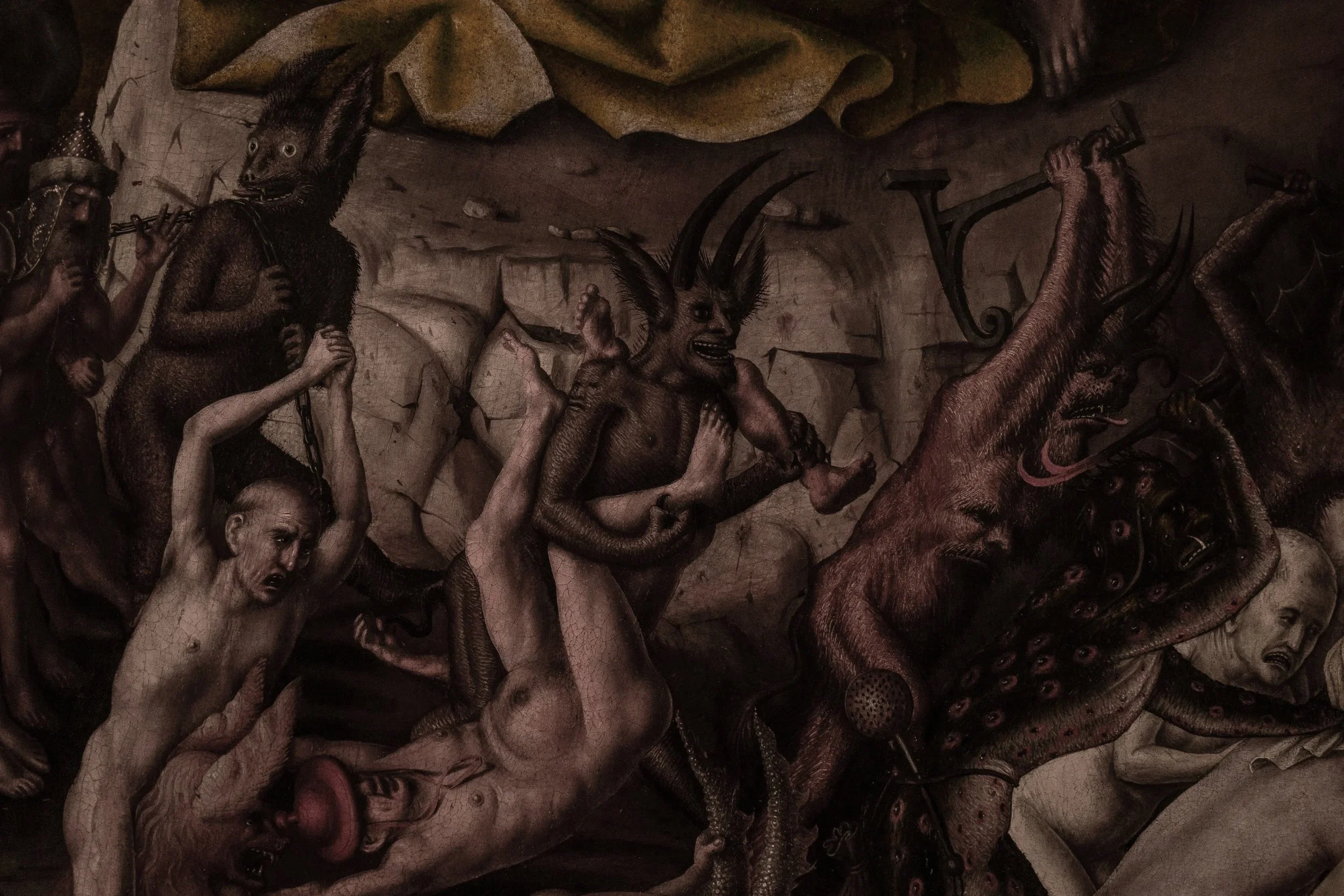
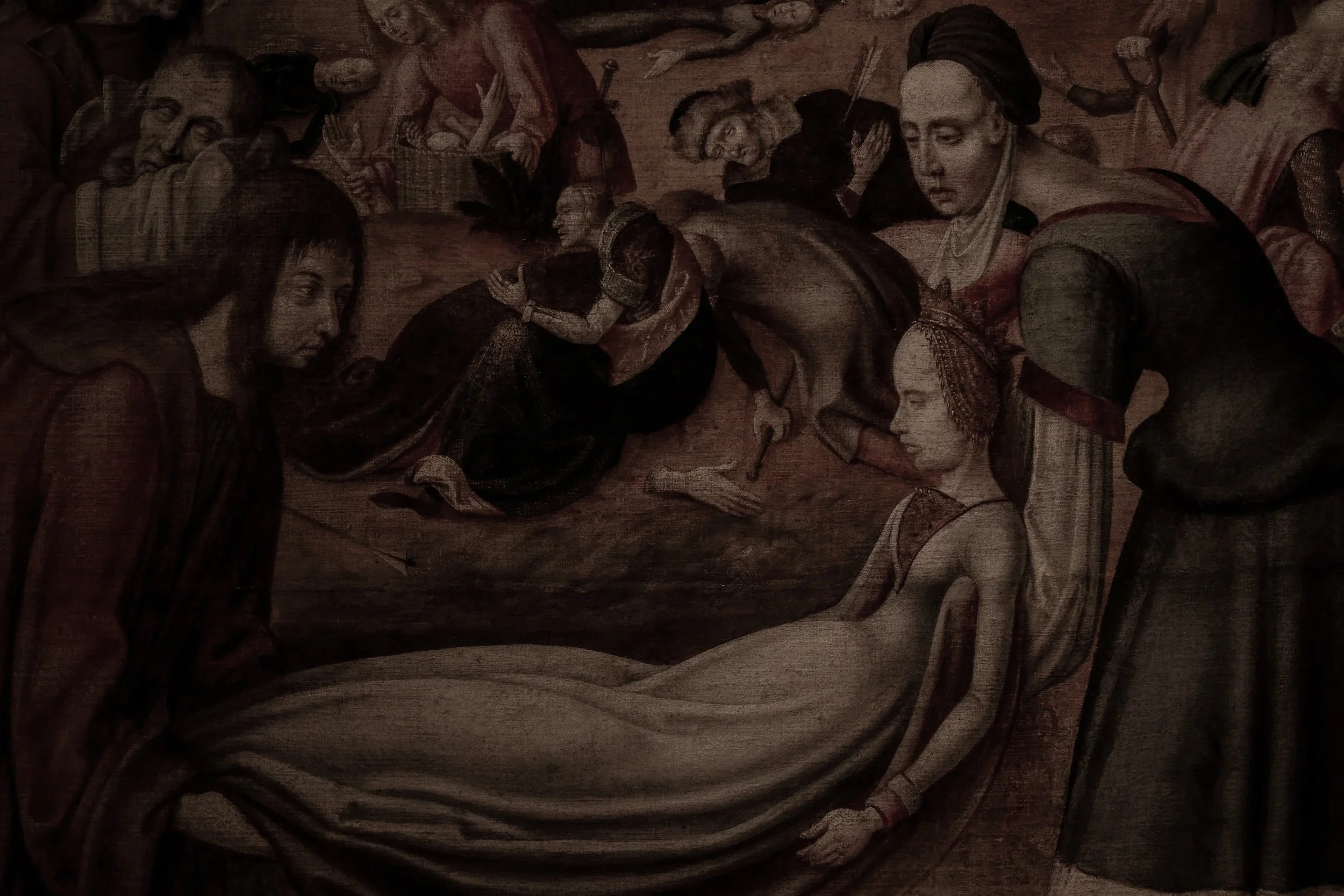
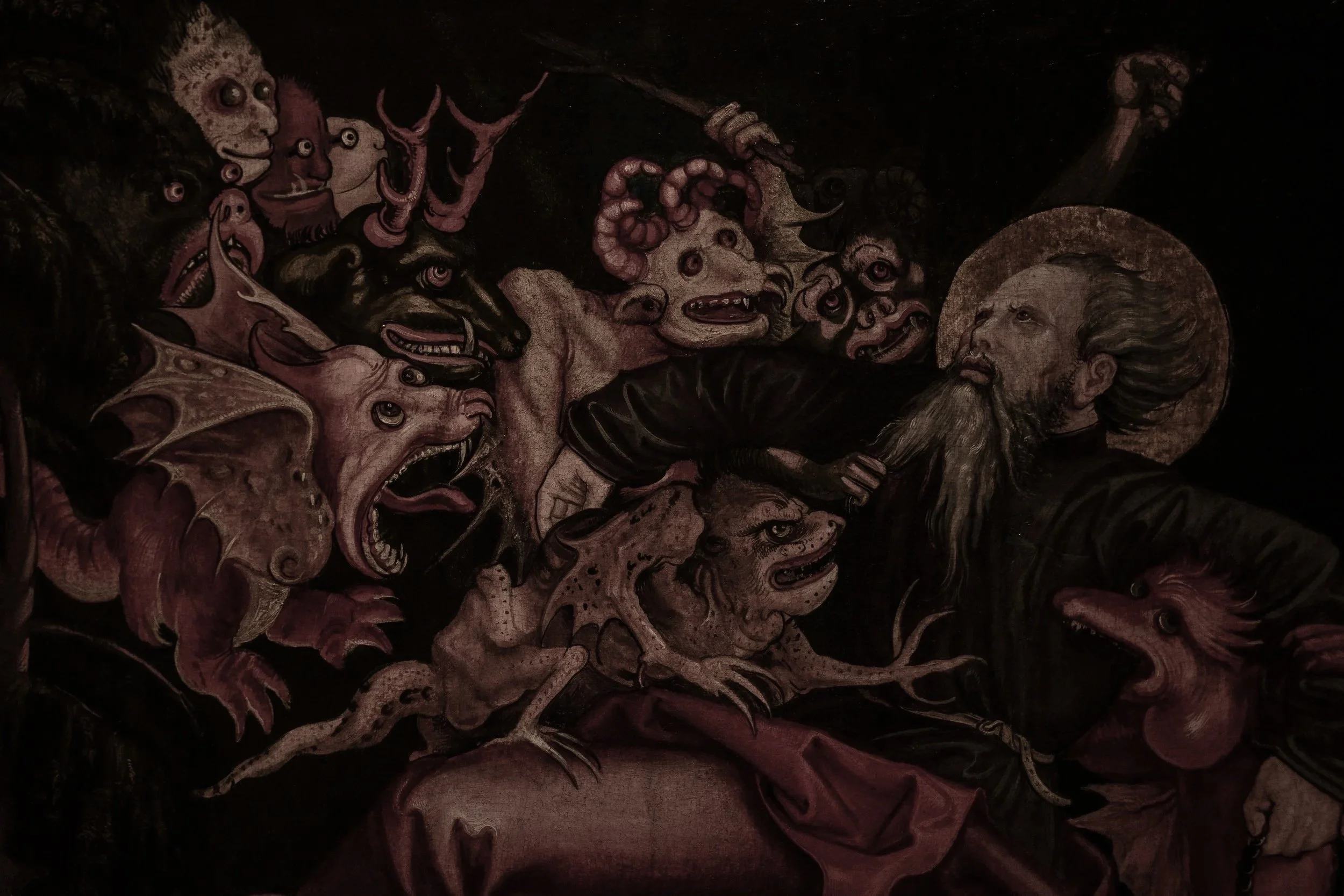
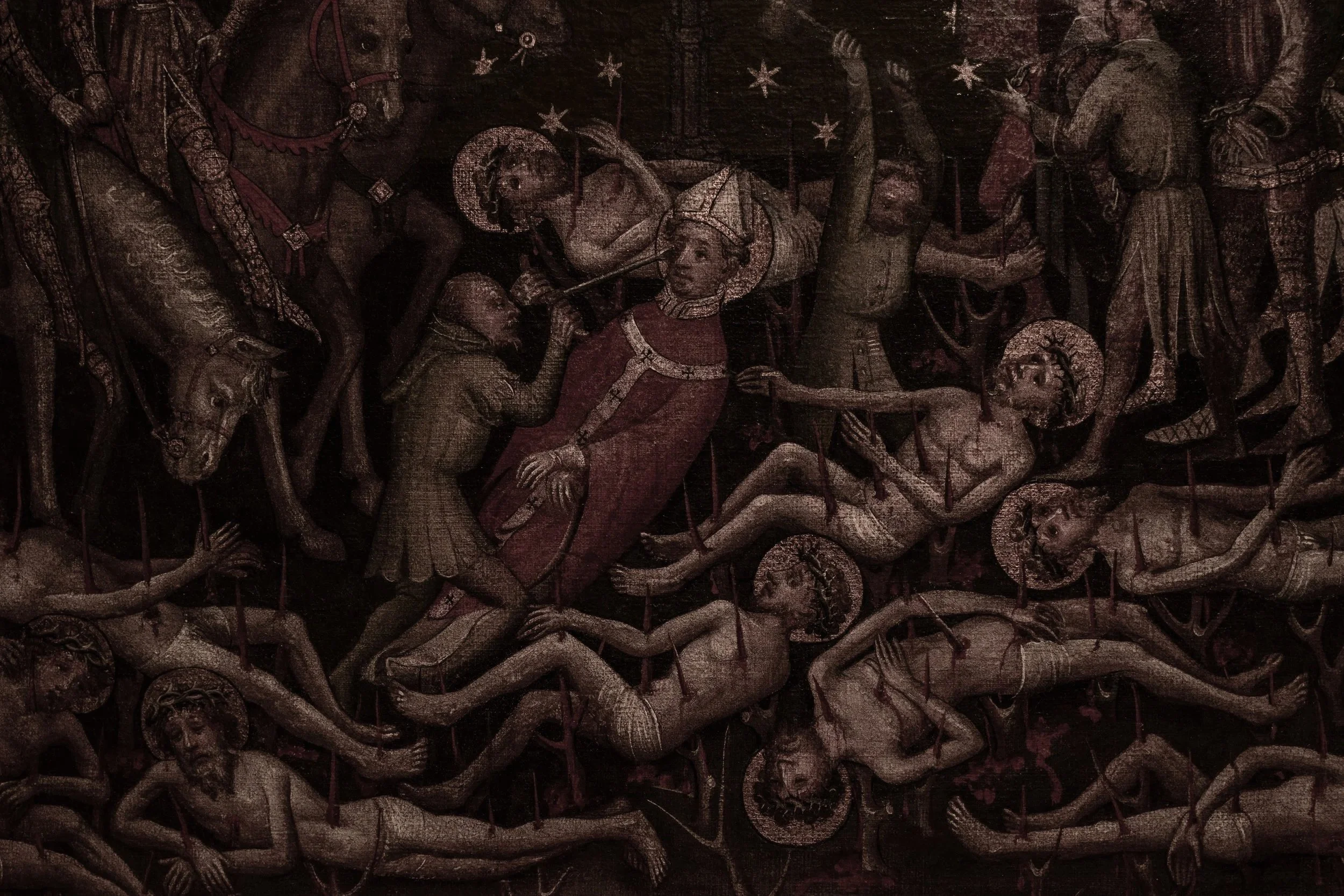
The story of the Wallraf‑Richartz Museum begins with Franz Ferdinand Wallraf, a scholar deeply devoted to Cologne’s past. When he died on 18th March 1824, he left his entire collection to the city. At a time when monasteries were being dissolved and church treasures scattered, he spent years gathering paintings, manuscripts, coins and altarpieces that might otherwise have vanished. His collection became one of Cologne’s first great cultural inheritances, preserving the city’s artistic identity at a moment when much of it was at risk of being lost.
Turning that inheritance into a public museum took decades. Cologne struggled to find the money, space and political will to create a permanent home for Wallraf’s collection, which for years was housed in temporary rooms on Trankgasse known as the Wallrafianum. Everything changed when merchant Johann Heinrich Richartz made a substantial donation. In 1861, the Wallraf‑Richartz Museum opened as the first purpose‑built museum in the Rhineland, finally giving Cologne a permanent home for the medieval artefacts Wallraf had fought to protect.
Cologne itself had been one of medieval Europe’s great artistic centres. Its cathedral, wealthy guilds and religious foundations created a thriving market for painters, sculptors and goldsmiths producing devotional works for churches and private worship. Many of these pieces survived only because Wallraf recognised their vulnerability during the upheavals of the late 18th and early 19th centuries.
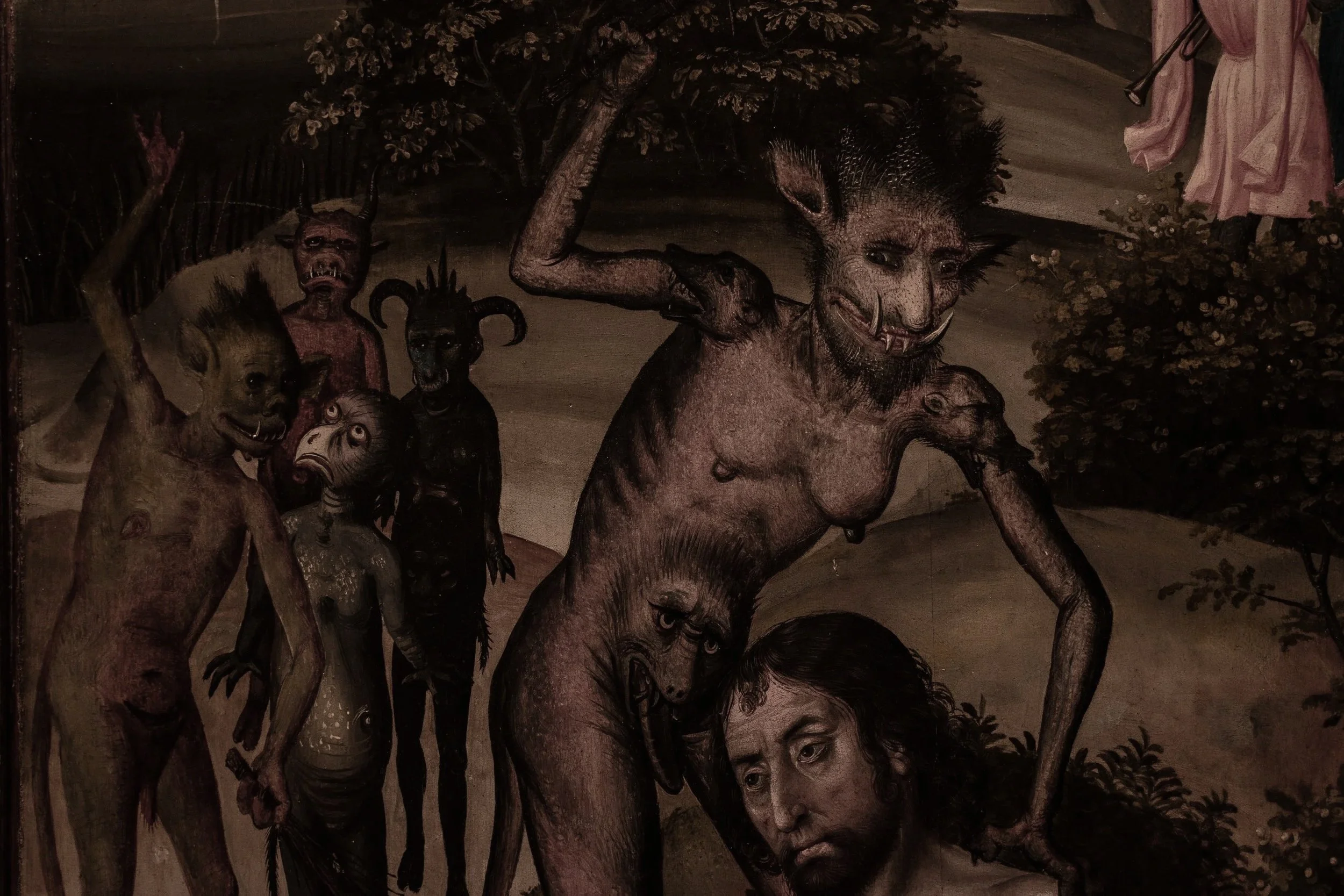
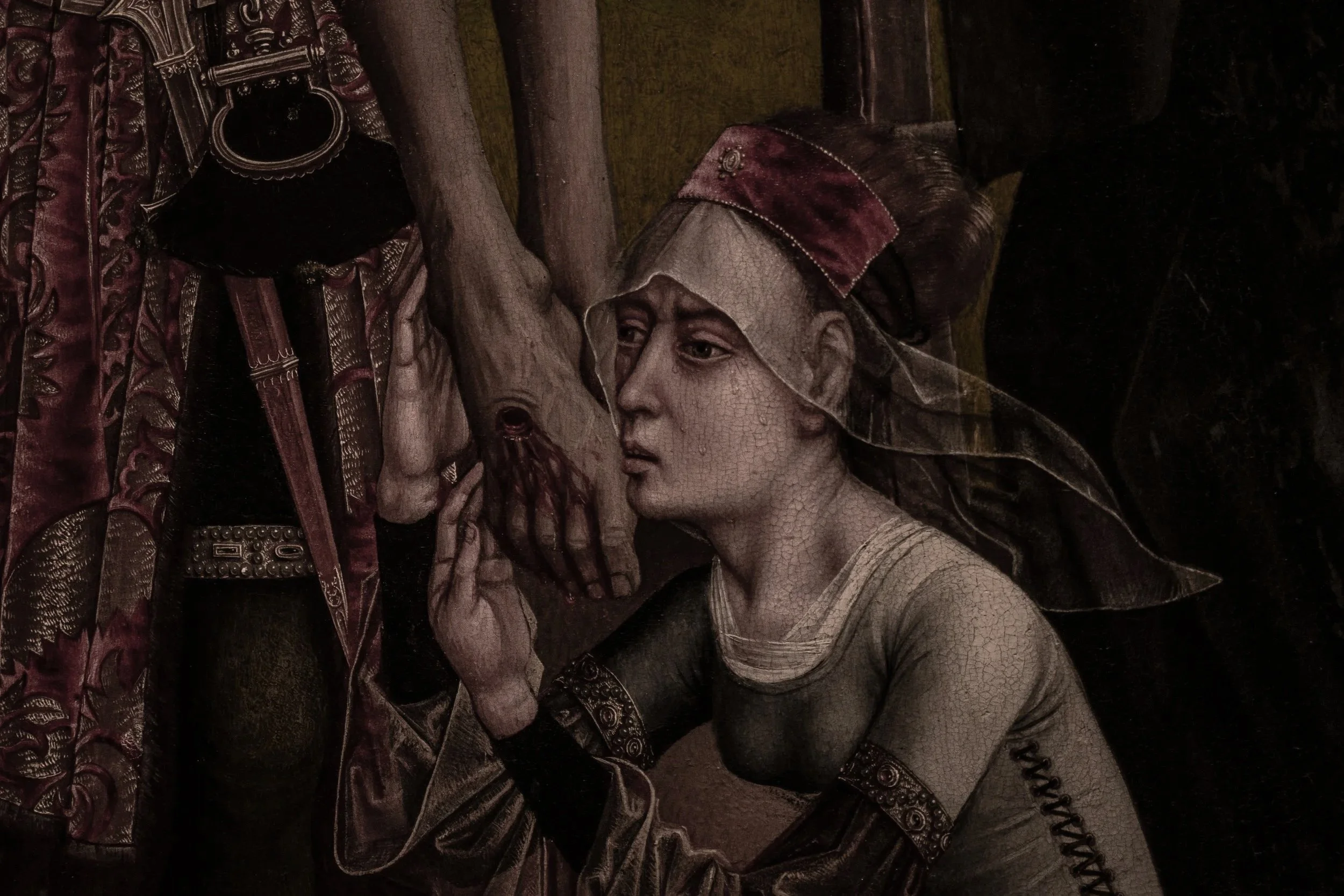
Today, around 140 medieval works fill the museum’s first floor. Walking through these rooms feels like stepping into Cologne’s medieval imagination, where almost every detail carries symbolic meaning: gold backgrounds evoke the heavenly realm, people and objects communicate stories, whilst flowers, animals and colours reveal layers of religious significance. What struck me most was the variety within the collection. Alongside serene devotional imagery are paintings that are darker, stranger and more unsettling.
One work that particularly caught my attention was ‘St Anthony Tormented by Demons’ dating from around 1520. The demons seem to invade the entire composition, surrounding St Anthony and making his suffering feel intensely physical. It reveals a very different side of medieval sacred art, one that confronts fear, temptation and the struggle between good and evil.
Another memorable piece was ‘A Star of the Canvas’, referring to three panels depicting the legend of St Ursula, a story deeply rooted in Cologne’s history. The paintings unfold, allowing the legend to be followed scene by scene.
I was also drawn to ‘A Wager Between God and the Devil’ (a large triptych illustrating the biblical story of Job) as the sheer number of demons immediately stands out! In the central panel, Job eats peacefully with his family while, in the background, God and Satan debate his faith. Satan argues that Job is only loyal because he is prosperous, so God allows him to be tested. Job’s life is then systematically destroyed, his animals stolen, his children killed and his body afflicted with illness, yet he refuses to abandon his faith. The different panels follow his suffering and eventual consolation, ending with Job being rewarded with a new family and his wealth restored. The triptych compresses the entire narrative into a single artwork, functioning almost like a medieval graphic novel of suffering, endurance and eventual restoration.
‘The Day of Reckoning’ by Stefan Lochner is another work worth lingering over. It depicts the Last Judgement: the dead rising from their graves, whilst Christ sits above them as the judge of humanity. The division between salvation and damnation is stark. The righteous are welcomed through golden gates into a Paradise whose architecture echoes Cologne Cathedral, while the wicked are dragged toward Hell by a heavy chain, tormented by devils. The scene is filled with movement and urgency, offering a vivid glimpse into how seriously medieval society viewed morality, salvation and what awaited people after death.
Seeing these works in a modern gallery can make them feel self‑contained, but originally they were part of the richly decorated church interior surrounded by sculptures, candles, textiles and the movement of worshippers.
Moving through the museum’s other floors shows how dramatically European art changed over time. The Baroque galleries introduce a world of theatricality, with works by artists such as Rubens, Rembrandt and Fragonard. The journey then continues into the 19th‑Century Collection, where the atmosphere shifts again toward the brighter colours and looser brushwork of Impressionism and Post‑Impressionism, represented by Manet, Monet, van Gogh and Cézanne.
Despite the richness of the later collections, the medieval galleries remained the most interesting for me. Some paintings are peaceful and dreamlike, whilst others are disturbing, violent and dramatic. Ultimately, the collection preserves the world Wallraf fought to save. More than five centuries later, these paintings still offer a powerful glimpse into how people in medieval Cologne understood life, death, faith and the world around them.
Address: Obenmarspforten 40, 50667 Köln, Germany