
Strawberry Hill House
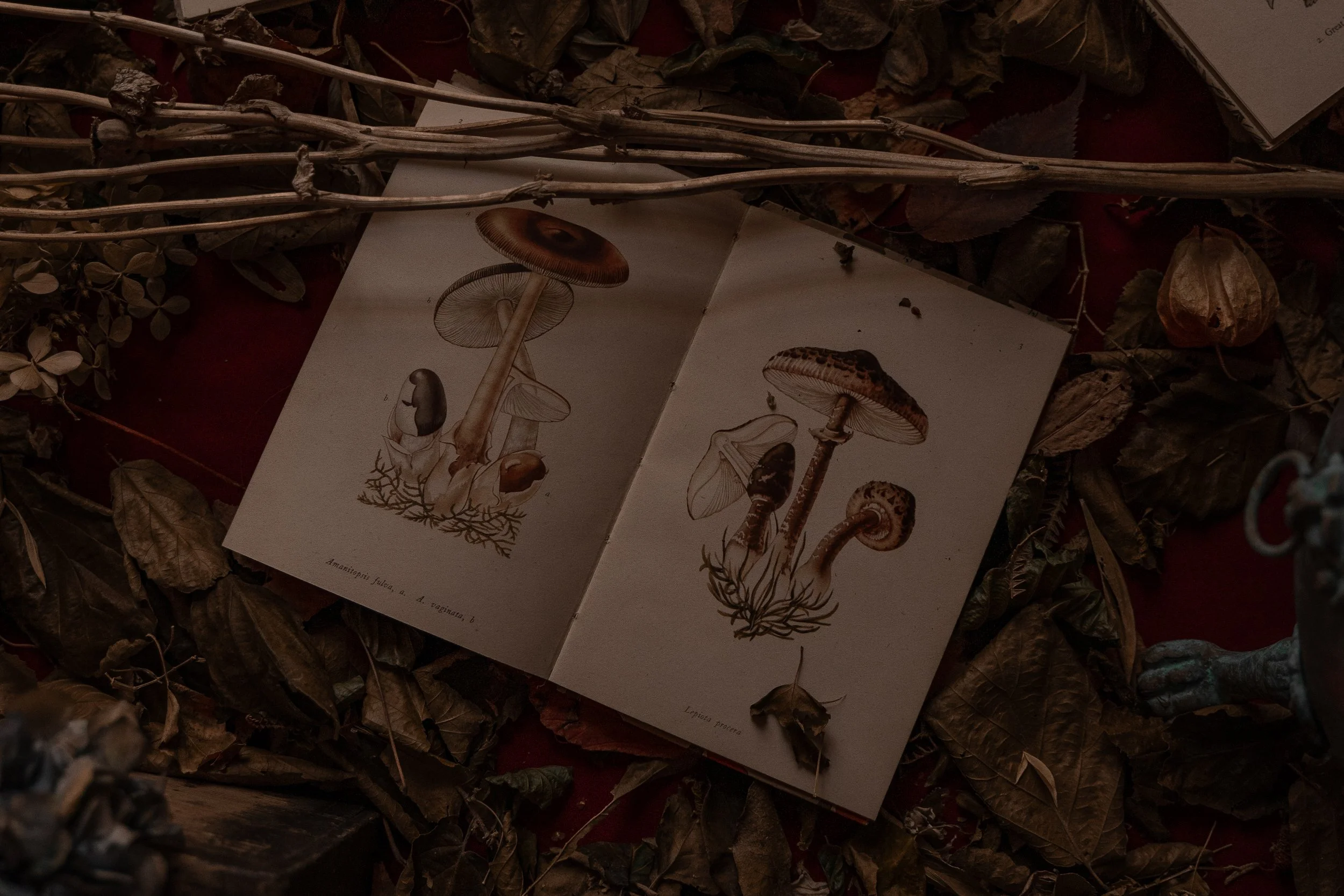
Known as the “little Gothic castle,” Strawberry Hill House stands as one of the most influential expressions of Gothic Revival architecture in Britain. Tucked away on the verdant banks of the Thames in Twickenham, it may lie far from the bustle of central London, but the journey rewards you with a place that feels as though you’ve found yourself inside the pages of a Gothic novel.
The visionary behind this extraordinary house was Horace Walpole: writer, politician, antiquarian, and youngest son of Sir Robert Walpole, an important figure in British politics who served for two decades as the nation’s first Prime Minister. Among Horace’s most significant literary achievements was The Castle of Otranto, widely regarded as the world’s first Gothic novel. Walpole claimed the idea came to him in a nightmare he experienced in the house, where he imagined “a gigantic hand in armour” resting on the bannister of the grand staircase. The groundbreaking novel laid the foundations of the Gothic genre and is said to have inspired later writers, including Mary Shelley the author of Frankenstein.
In 1747, Walpole purchased a modest pair of cottages known as Chopp’d Straw Hall and allowed his imagination to run wild, transforming the site into a pioneering Gothic Revival masterpiece. He drew inspiration from St Paul’s Cathedral, the ancient tombs of Westminster Abbey, and the romantic medieval period he adored. The result was a theatrical silhouette of towers, battlements and dramatic arched windows - his architectural fantasy brought to life!
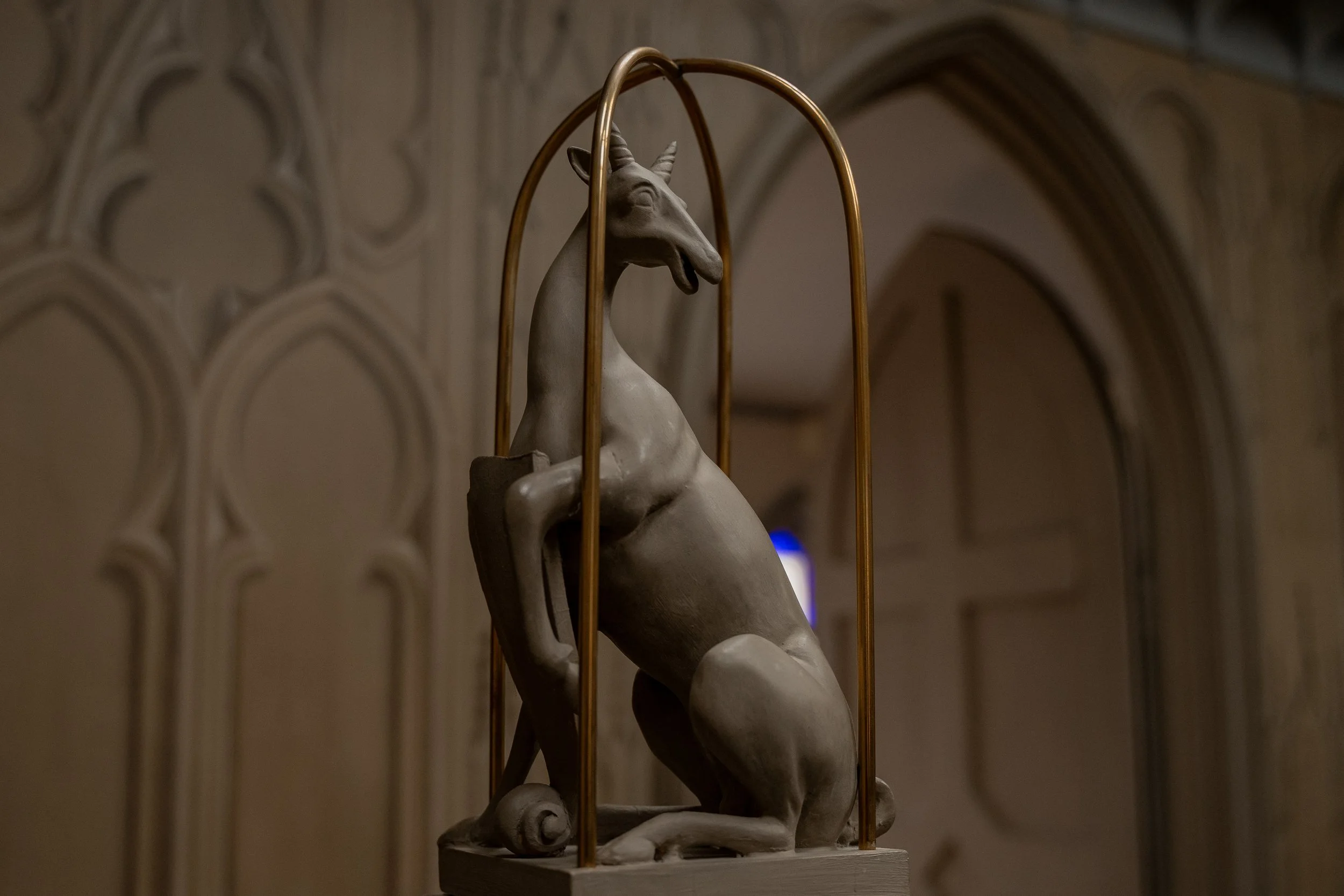
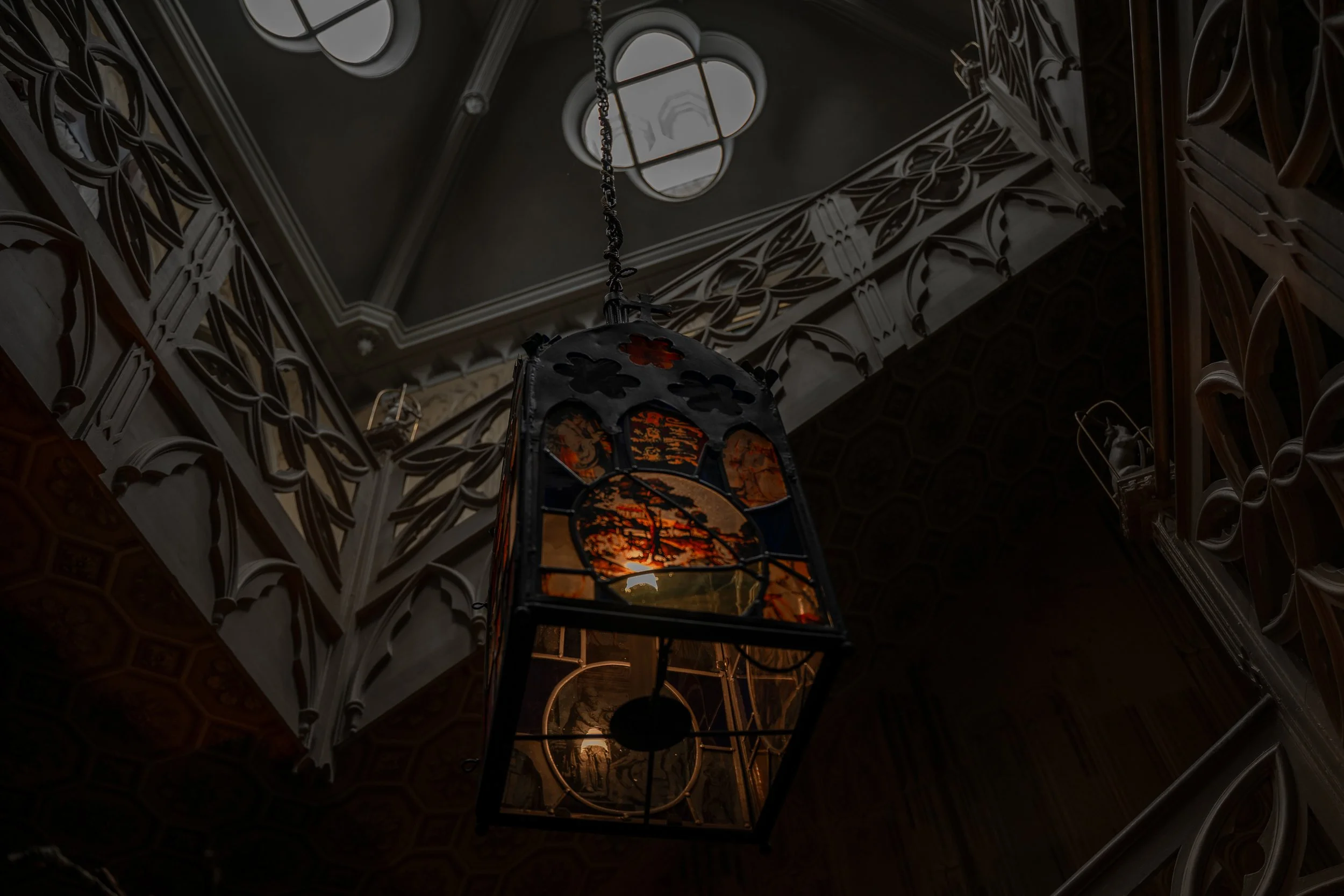
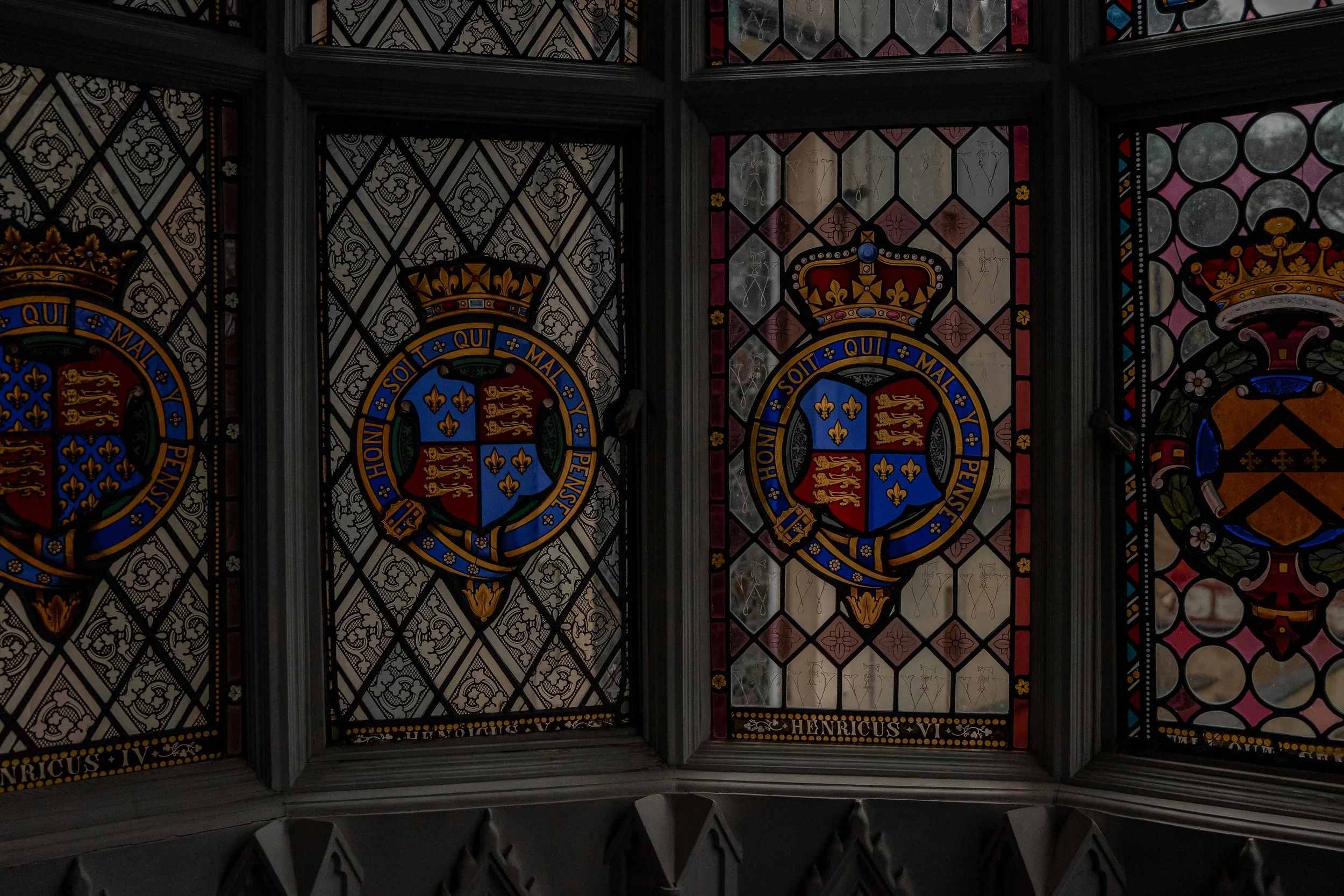
The enchantment intensifies the moment you cross the threshold into the grand staircase hall. Inspired by Prince Arthur’s tomb in Worcester Cathedral, the space greets you with soaring fan vaulting and mythical creatures perched along the balustrades. As you wander deeper into the house, don’t overlook the boldly coloured stained glass windows glowing with scenes from biblical tales, historic legends, and fantastical beasts.
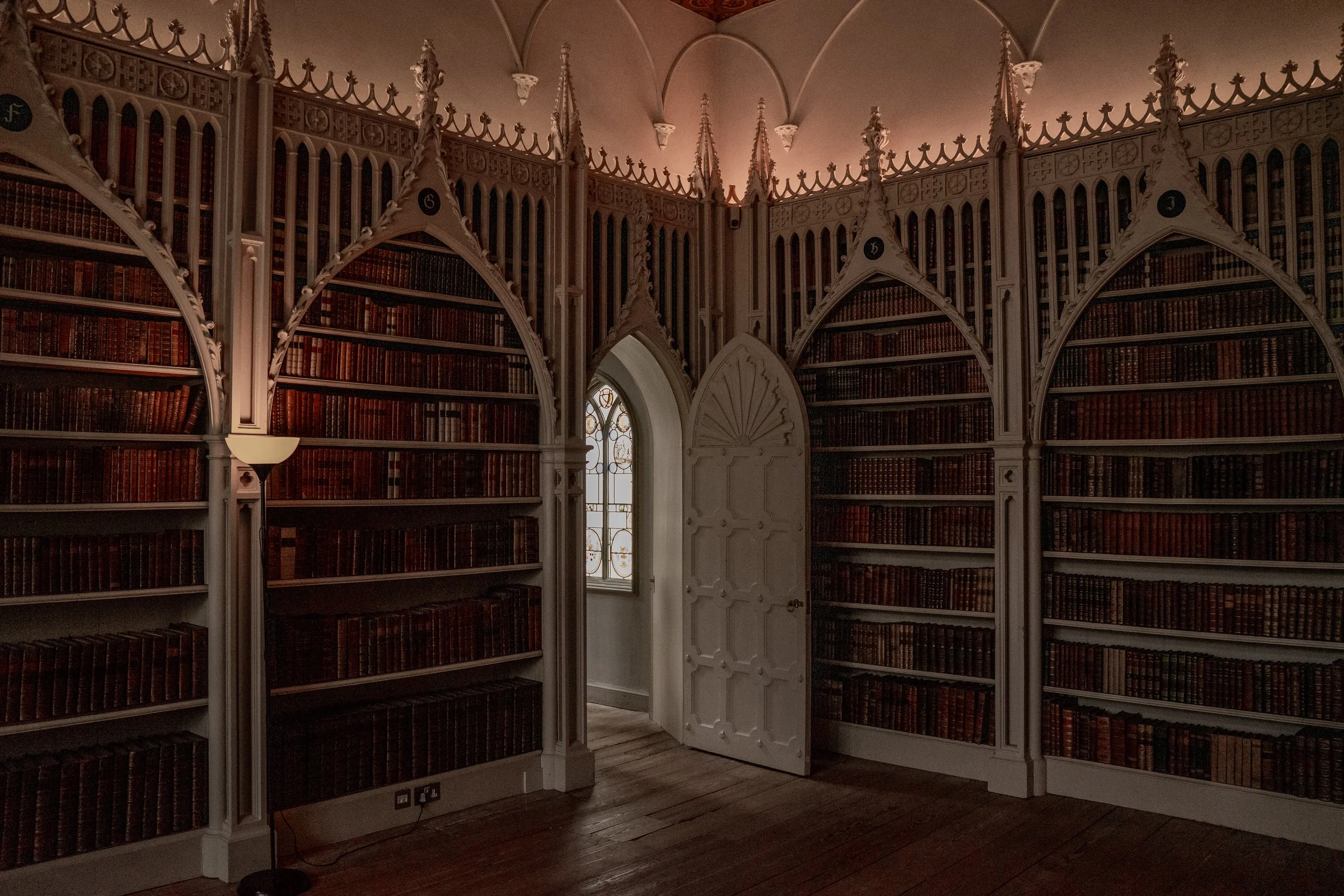
Every room feels deliberately crafted to spark curiosity. Walpole famously coined the term “gloomth” to describe the blend of gloom and warmth he wanted the interiors to evoke. These evocative spaces were designed to conjure a medieval dreamscape, filled with Gothic references and dramatic lighting effects inspired by his Grand Tour of Europe.
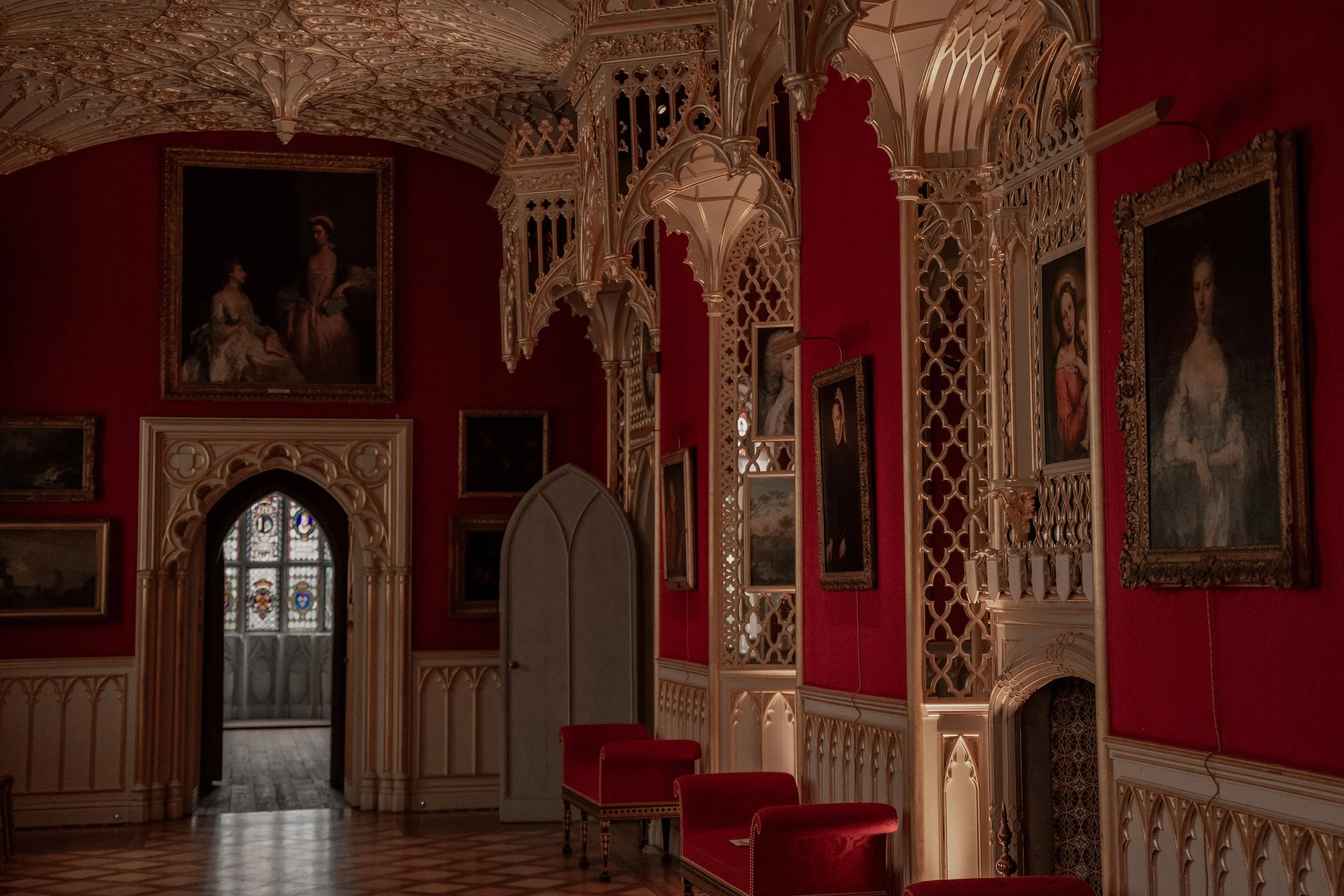
In striking contrast to the library’s shadowy charm, the opulent Gallery dazzles with blood‑red walls, lavish gold detailing, and an impressive collection of portraits. Its fan‑vaulted papier‑mâché ceiling, influenced by Henry VII’s Chapel at Westminster, along with gilded tracery and mirrored surfaces, amplifies the light in a spectacular display.
Even in Walpole’s lifetime, the house became a sought‑after attraction, with visitors admitted by appointment and guided by his housekeeper. Its reputation spread widely, and it is now recognised as a direct inspiration for the 19th‑century Gothic Revival movement in Britain and beyond.
One of the great joys of Strawberry Hill House is the freedom to explore both the interiors and the gardens at your own pace. For those seeking deeper insight, guided tours led by expert storytellers bring the house’s history and eccentricities vividly to life.
The house currently only opens from Wednesday to Sunday, so it’s worth checking their official website before planning your visit to the birthplace of Gothic Revival.
Address: 268 Waldegrave Road, Twickenham, TW1 4ST