
Melatenfriedhof
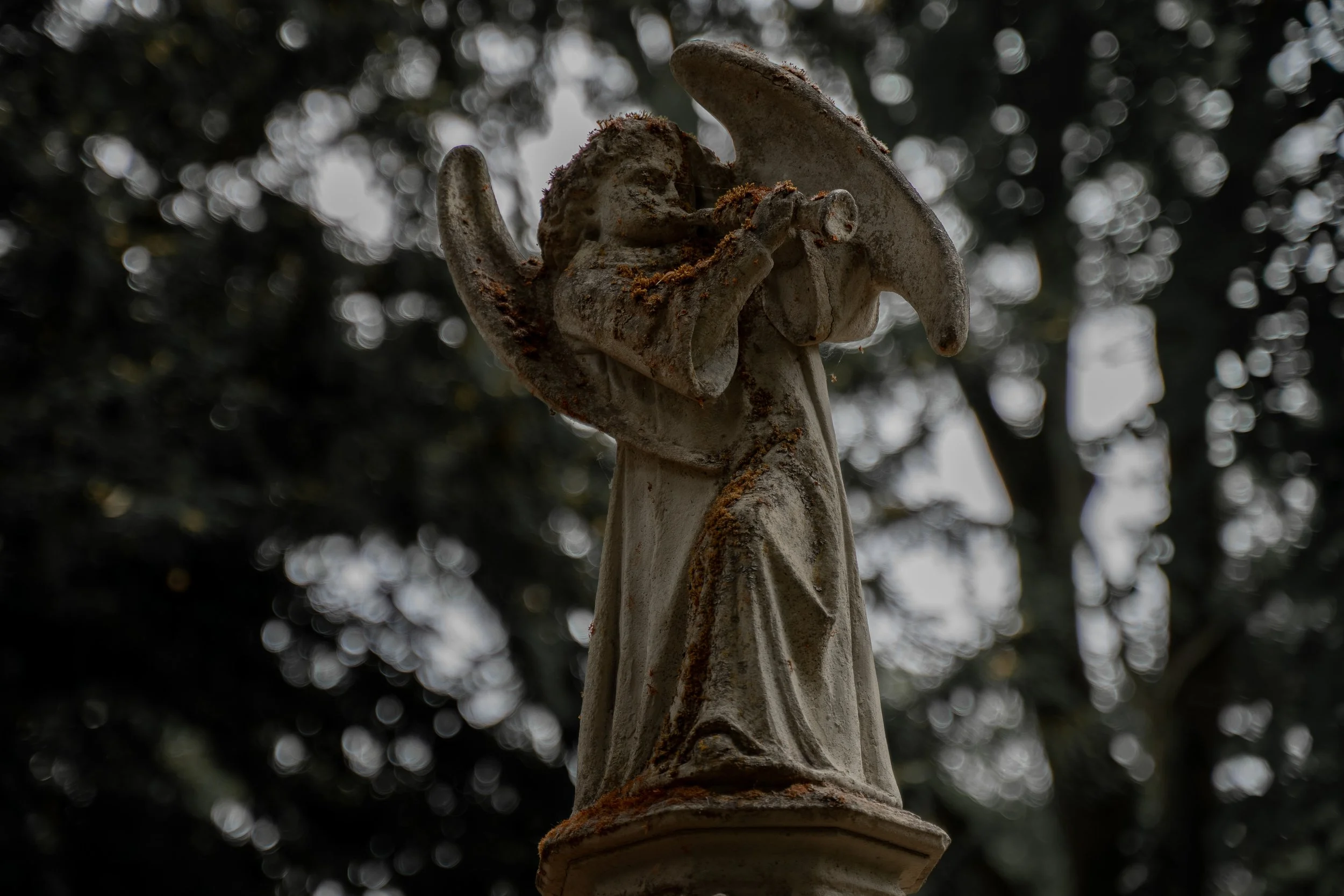
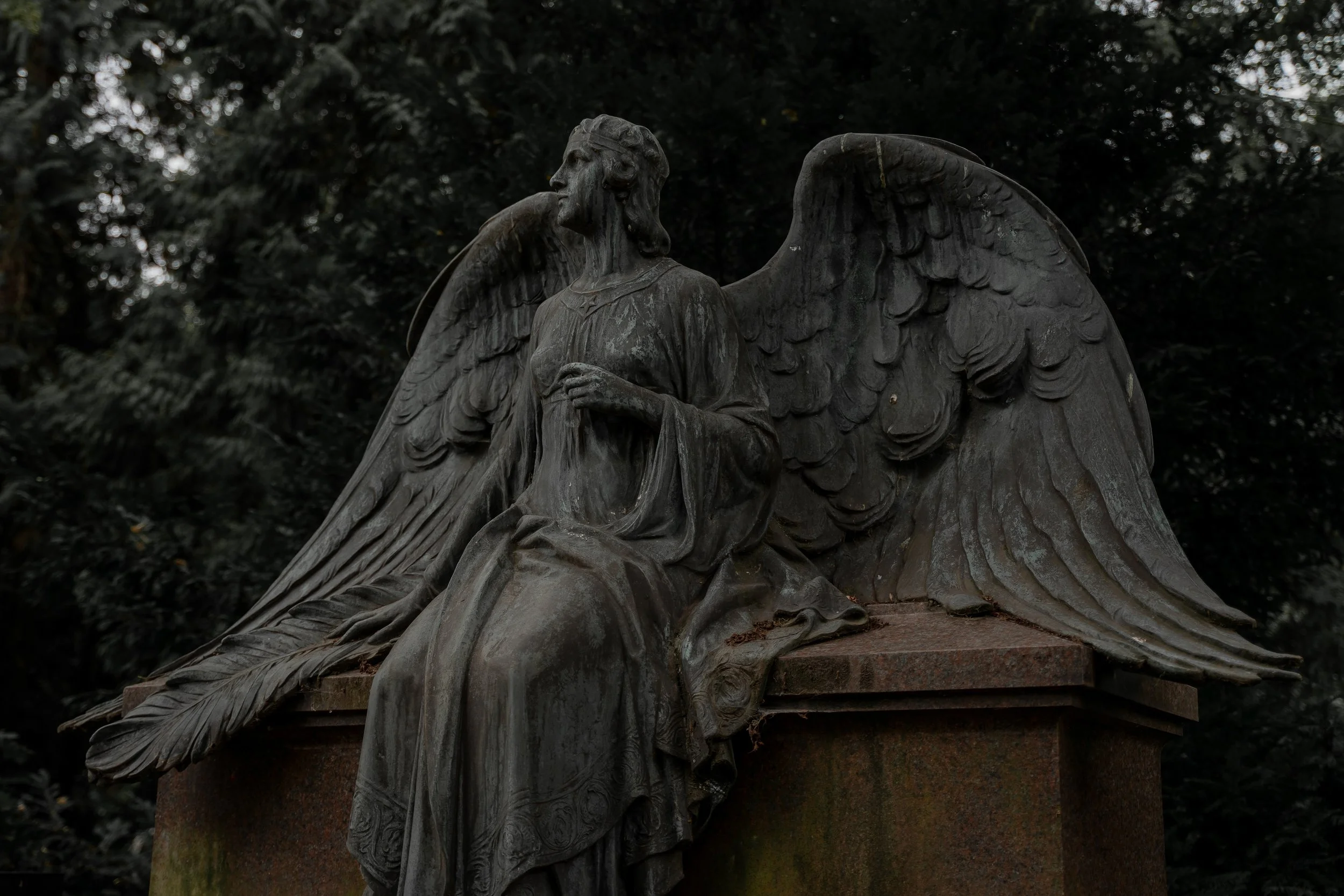
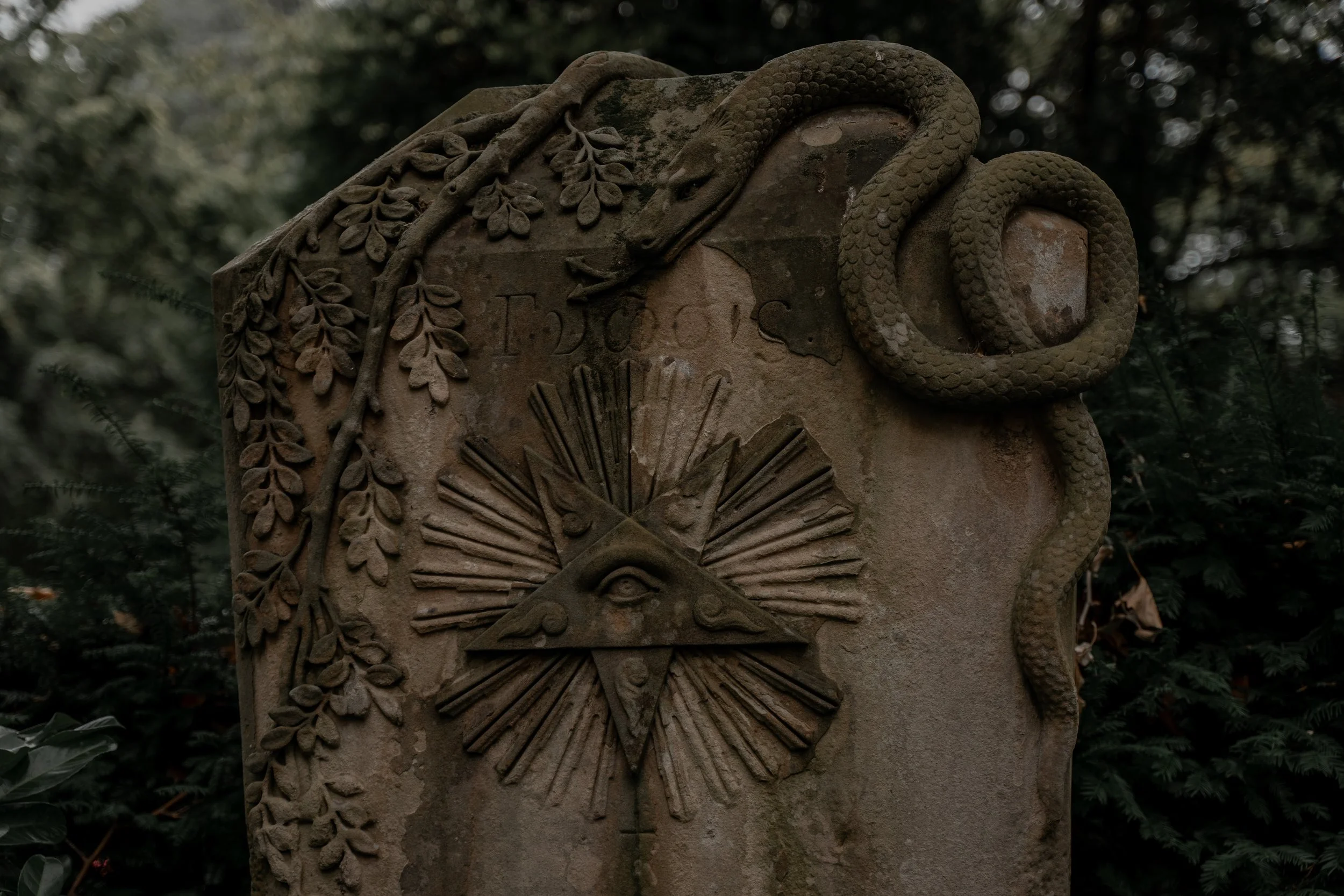
Spread across a vast, park like landscape, Melaten is far more than a regular cemetery. In fact, it feels like a Victorian Gothic city for the dead, laid out along tree‑lined avenues where monumental tombs, mausoleums, sculptures and weathered inscriptions reveal more than two centuries of the city’s history. Here, Gothic revival architecture, Victorian mourning art, social history and family stories exist beneath a canopy of mature trees.
The story of Melaten begins long before the cemetery itself. From the Middle Ages, the site was associated with a leper hospital and isolation complex. The name Melaten is thought to derive from the French malade, meaning ‘sick’.
For centuries, the area was also associated with some darker chapters of Cologne’s history as public executions took place here and people accused of witchcraft were burned at the stake. The site’s connection with death therefore predates the cemetery by hundreds of years.
The leper asylum closed in the 18th century as leprosy became increasingly rare in Europe. Then, in 1804, Napoleon issued a decree prohibiting burials within city walls, so part of the former asylum grounds were transformed into a new central cemetery, with the first burial taking place on July 1st, 1810.
From the beginning however, Melaten was conceived as more than a burial ground. It was designed as a landscape garden, influenced by the great garden cemeteries of Europe (particularly Paris’s Père‑Lachaise). Today, more than 55,000 people are buried across its grounds.
Walking through Melaten can feel like entering a miniature city. Its avenues are lined with monuments representing generations of changing architectural taste, including Neoclassicism, Neo‑Gothic, Neo‑Baroque, Art Nouveau, Art Deco and Modernism. Some tombs are modest and restrained; others are architectural statements in their own right.
The most imposing stretch is Melatenallee, often known as the “Avenue of Millions”. Here, enormous family mausoleums resemble small stone houses or miniature chapels. Romanesque arches, columns and elaborate façades give the avenue the character of a grand boulevard through the centre of the burial ground.
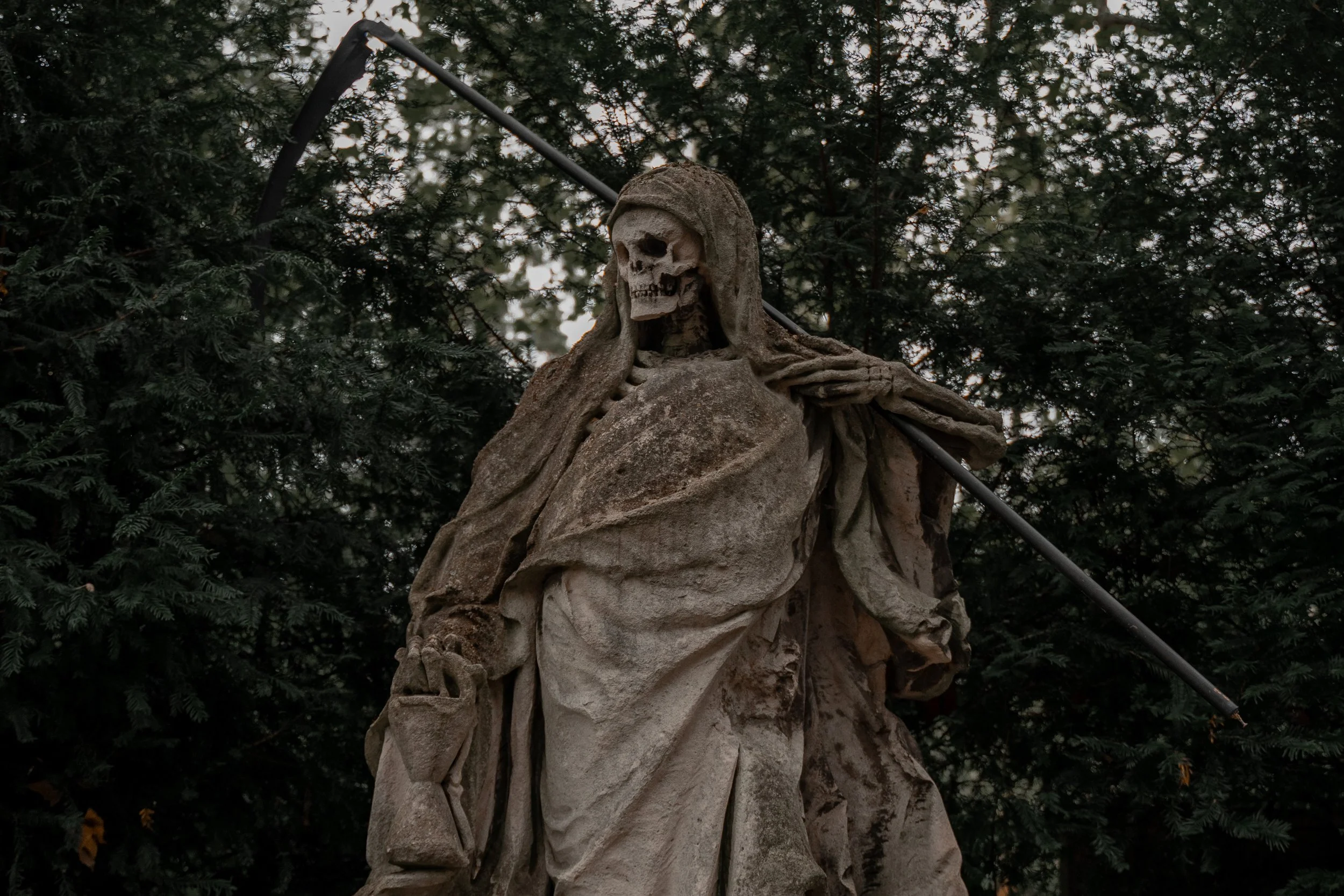
Hidden among the trees stands the cemetery’s most striking figure: a towering, hooded Grim Reaper carved by August Schmiemann in the late 19th century. The statue watches over the grave of merchant Johann Müllemeister holding an hourglass in one hand and a scythe in the other (timeless emblems drawn from the medieval Danse Macabre). It’s memento mori at its most uncompromising, a reminder that time slips away, every life is eventually harvested and mortality is the one fate shared by all.
The monument stands just off the main path, where the cemetery’s manicured avenues suddenly give way to something far more macabre. The reaper’s exposed bones, heavy drapery and hollow gaze recall the Rhineland’s late‑medieval imagery of plague, death and judgement, that was restored during the 19th‑century Gothic Revival era.
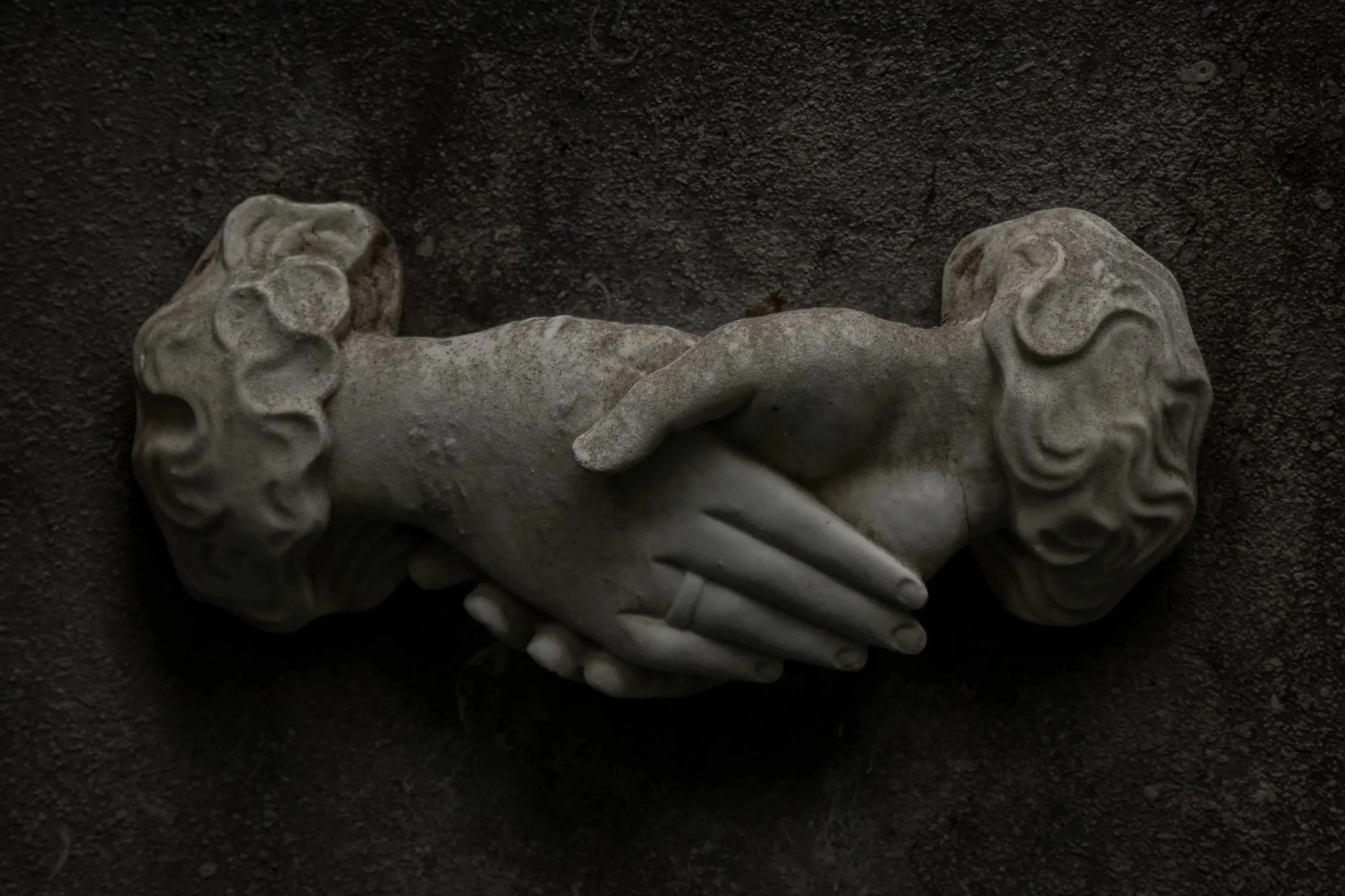
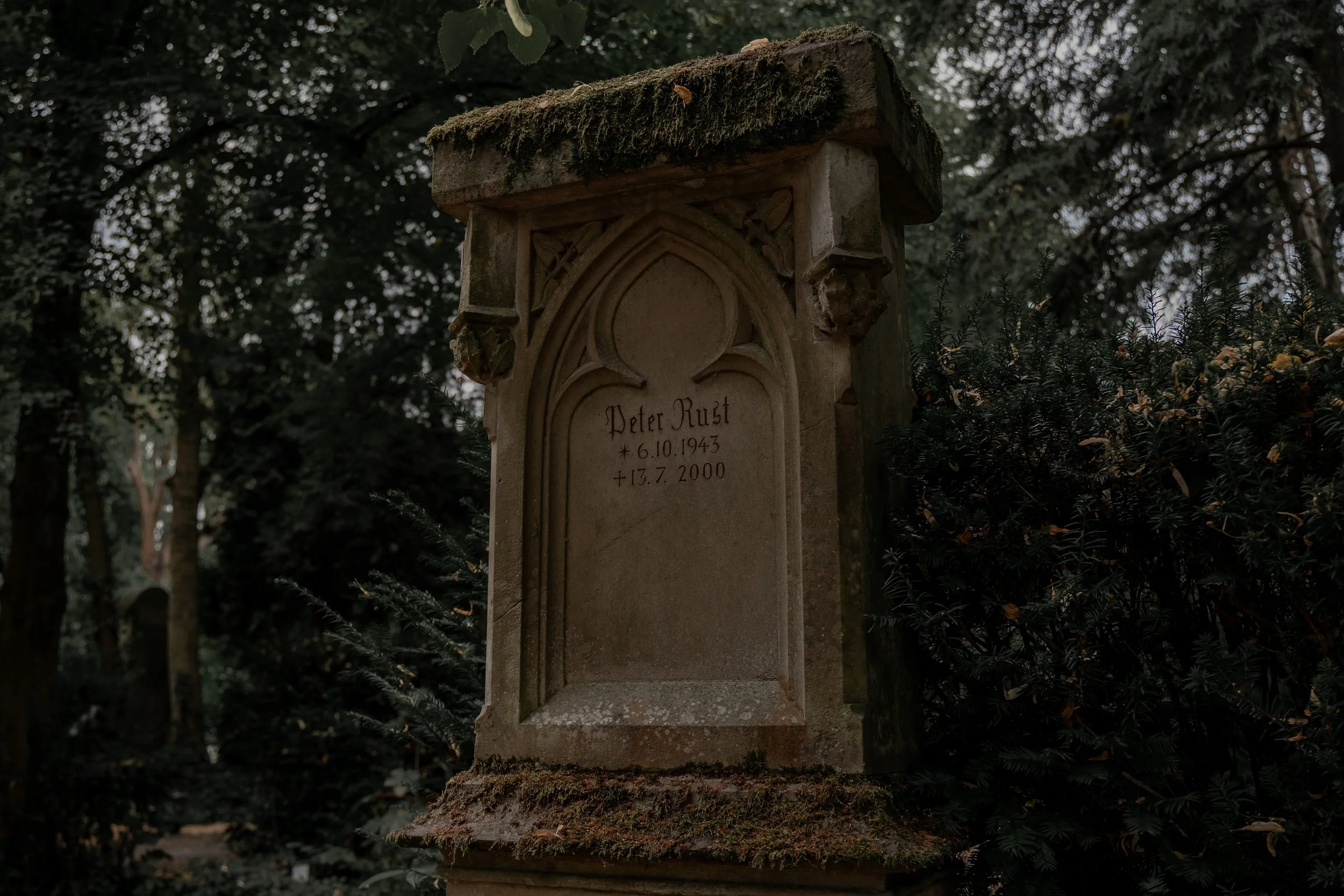
Many of Melaten’s other monuments also draw on Gothic Revival styles, including inverted torches representing lives extinguished, broken columns suggesting lives cut short and flowers, angels, hands and books each carrying their own symbolic meaning. One thing that fascinated me while exploring the cemetery was the number of monuments featuring church‑like Gothic arches and spires, reflecting the Gothic architecture of the city itself.
Nature is just as important to Melaten’s distinctive atmosphere. Although the cemetery is meticulously cared for (I must have seen about 10 Gardeners during my visit), some corners have been left to grow wild. Ivy climbs over headstones until names disappear beneath the leaves and inscriptions fade into stone.
Among those buried here are generations of Cologne residents, from industrialists and artists to politicians, performers, writers and cultural figures. The cemetery contains the graves of members of the Farina family, associated with the origins of Eau de Cologne, alongside figures including architect Wilhelm Riphahn, entertainer Willy Millowitsch and television personality Alfred Biolek.
Address: Aachener Str. 204, 50931 Lindenthal, Germany