
Gruuthusemuseum
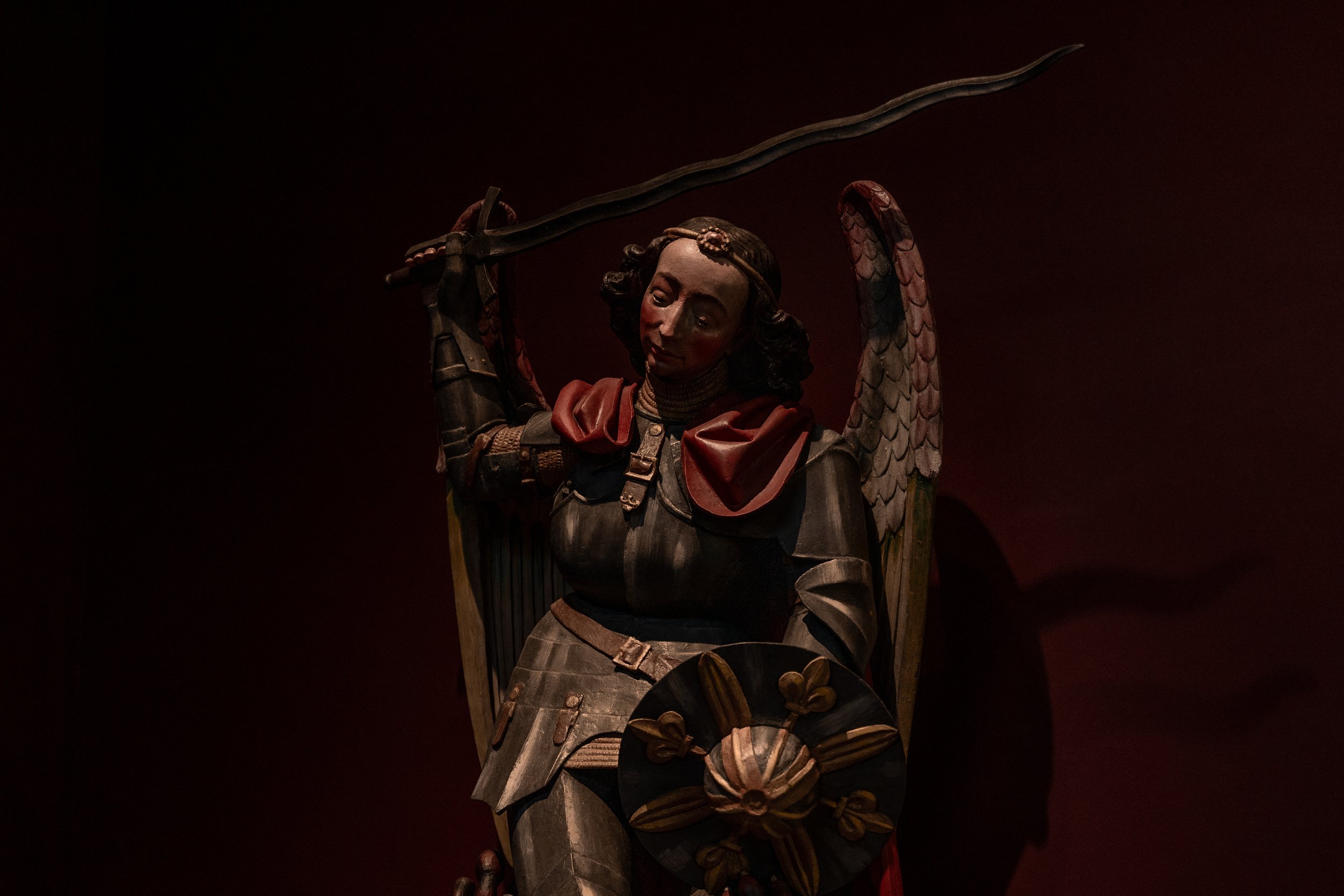
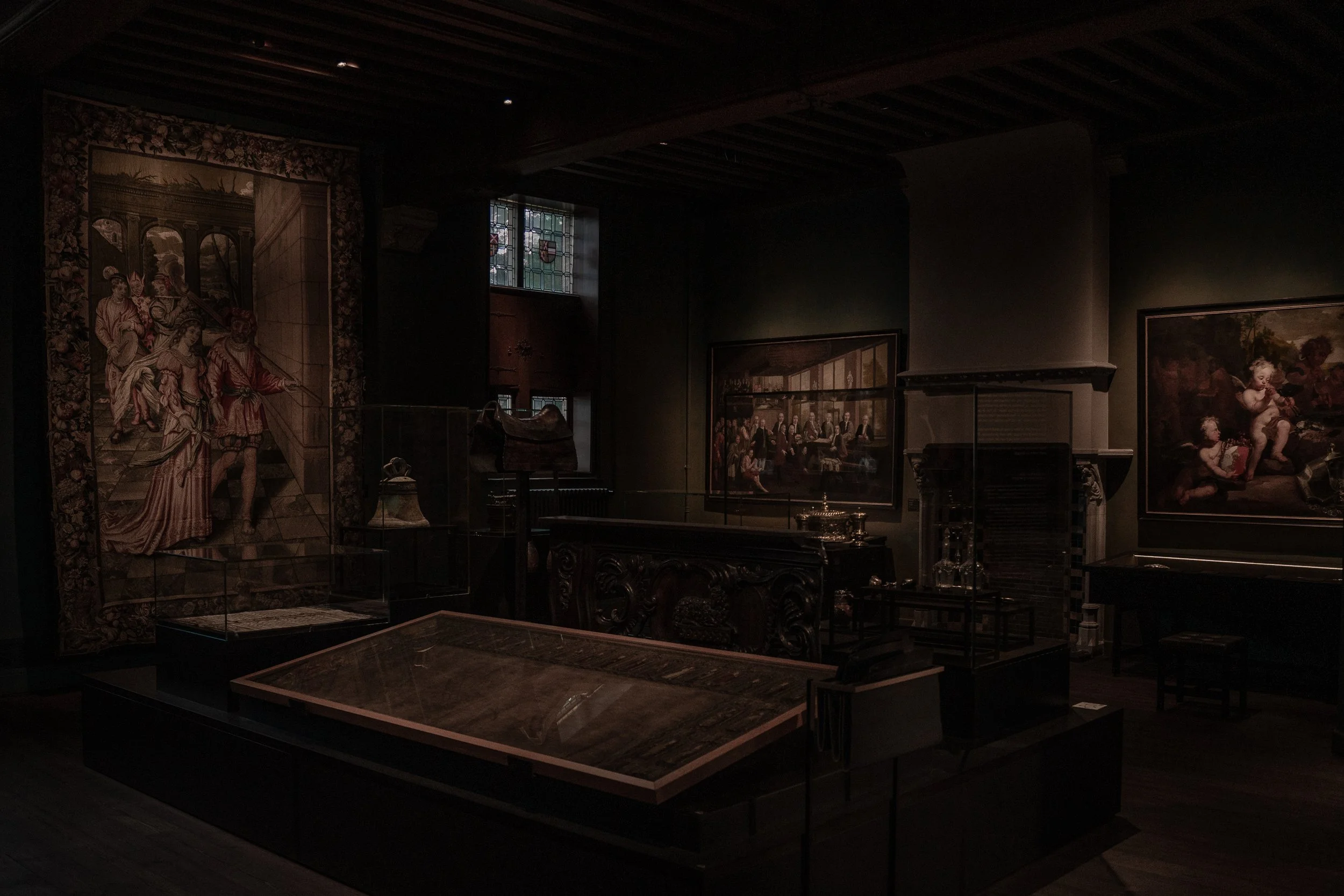
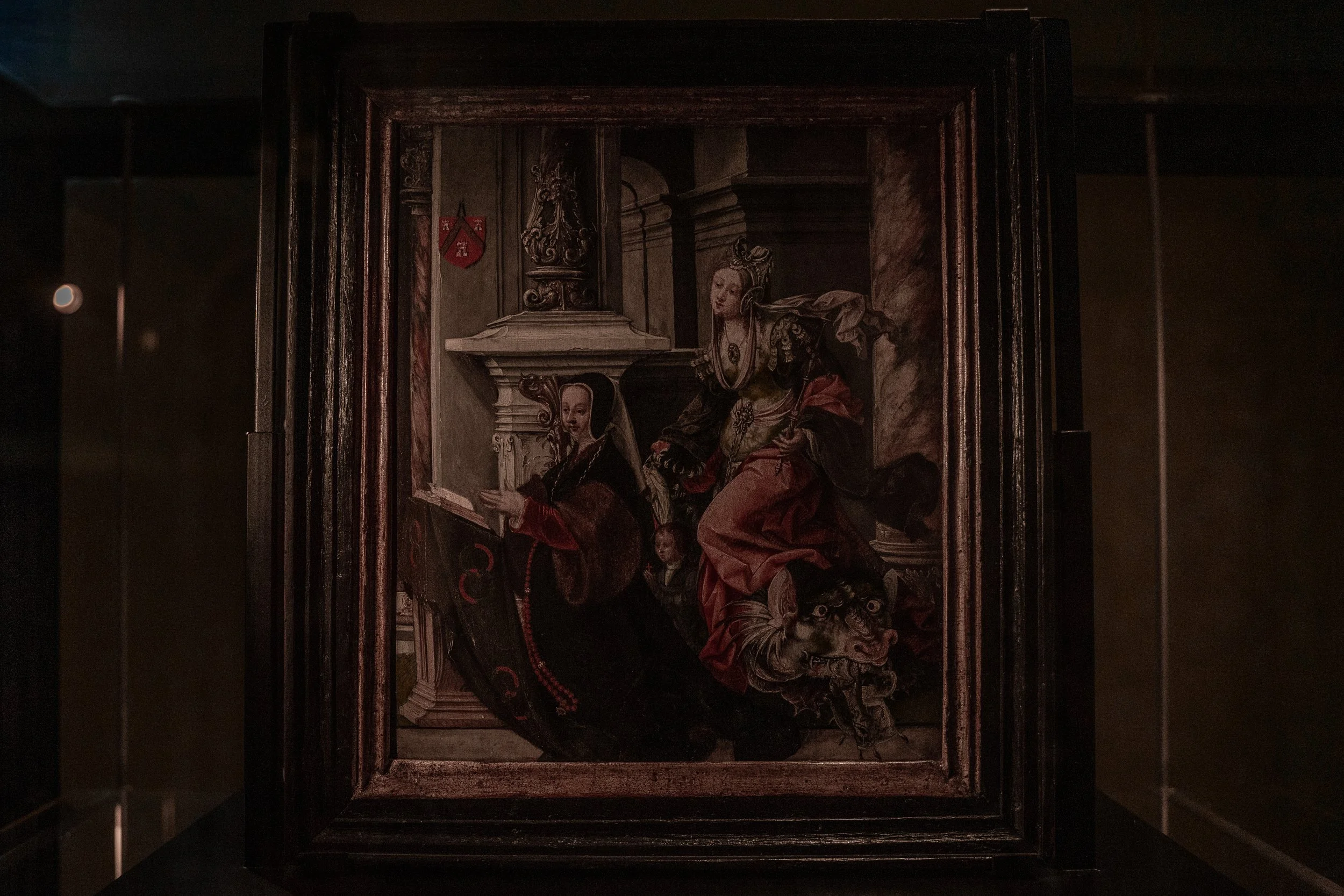
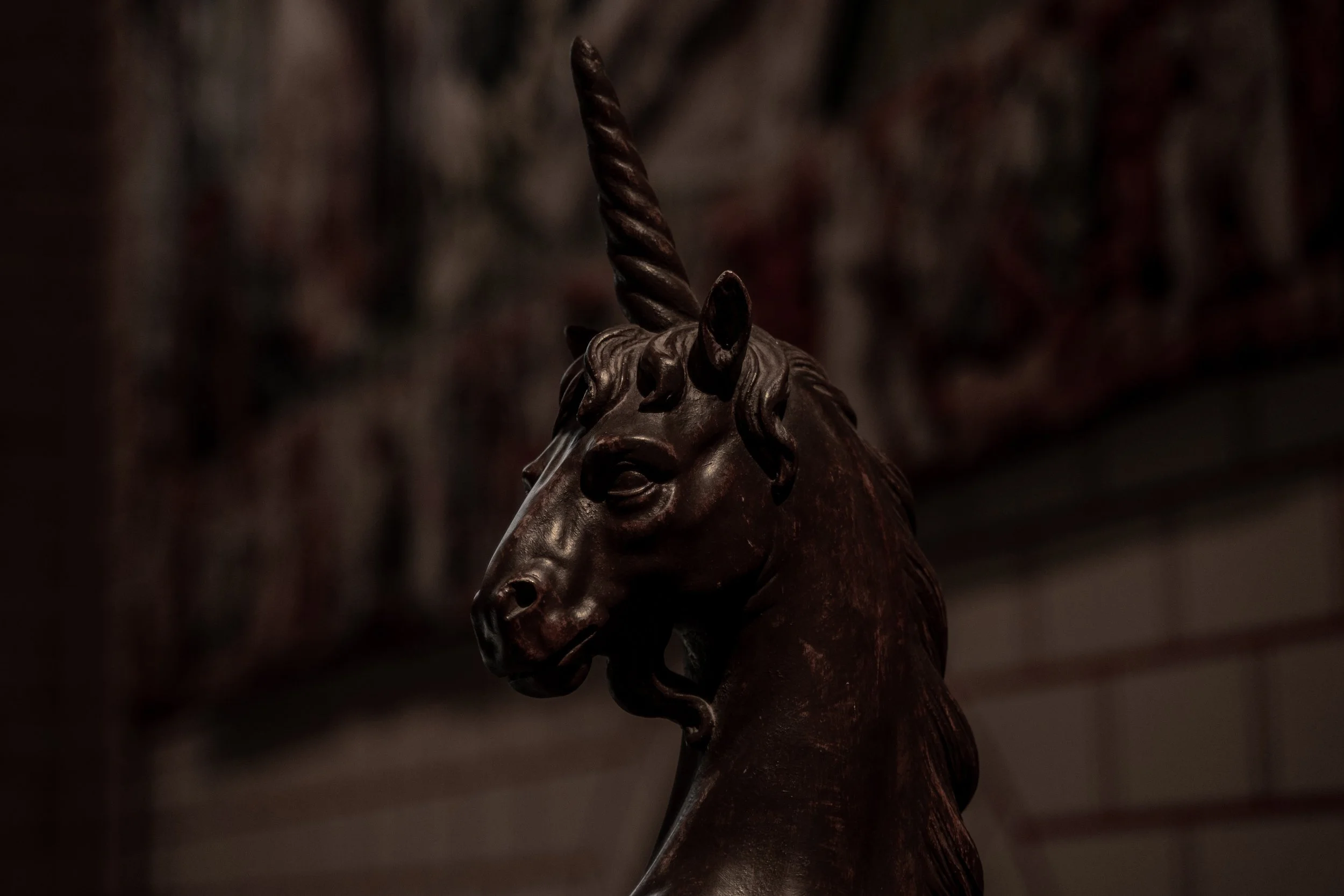
Gruuthusemuseum, which occupies the former city palace of the Lords of Gruuthuse, is the perfect place to explore Bruges’ darker medieval past. The palace once belonged to the wealthy Gruuthuse family, whose fortune was closely connected to the medieval ‘gruit trade’ (a mixture of herbs and spices once used to flavour beer). By the 15th century, the building had been transformed into an impressive Burgundian residence, most famously associated with Louis of Gruuthuse, an influential nobleman, soldier, diplomat and adviser at the Burgundian court.
Before heading inside, take your time to explore the enclosed courtyard, framed by the palace’s Gothic and neo-Gothic architecture. Look out for the distinctive crescent moon hanging from the building opposite (a personal emblem associated with Louis de Gruuthuse). His personal motto, Plus est en vous “There is more in you” can also be seen inscribed above the entrance gate of the palace, one of several details throughout the building that connects it to its most famous resident.
Inside, a series of dimly lit historic rooms traces more than 500 years of Bruges’ history, from the splendour of the city’s Burgundian golden age to the 19th century neo-Gothic revival, when Bruges, seeking inspiration, began looking back to its medieval past.
The collection brings together an extraordinary display of wooden sculptures, stained glass, tapestries, manuscripts, religious art and unusual historic objects. One of my favourite things about the museum was simply wandering through the palace itself, moving at your own pace between the intriguing chambers, narrow passageways, winding staircases and heavily timbered rooms.
During the 19th century, Bruges experienced a tremendous Gothic Revival, with medieval architecture becoming central to the city’s evolving identity. Architect Louis Delacenserie restored the palace into its neo-Gothic style, preserving its medieval character whilst also introducing new revival elements. Surviving 15th century features sit alongside 19th century additions, creating an intriguing blend of original architecture and later Gothic Revival details.
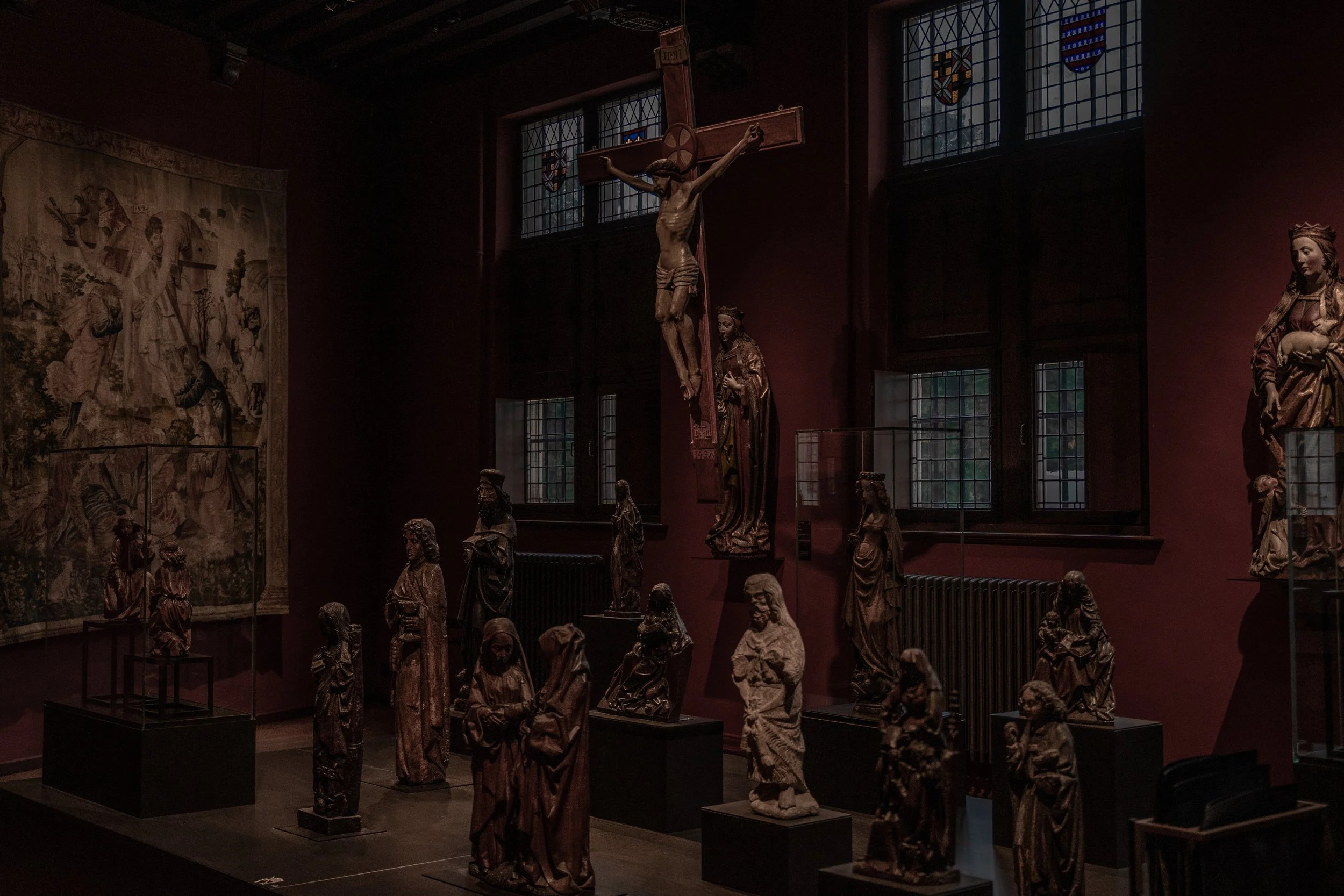
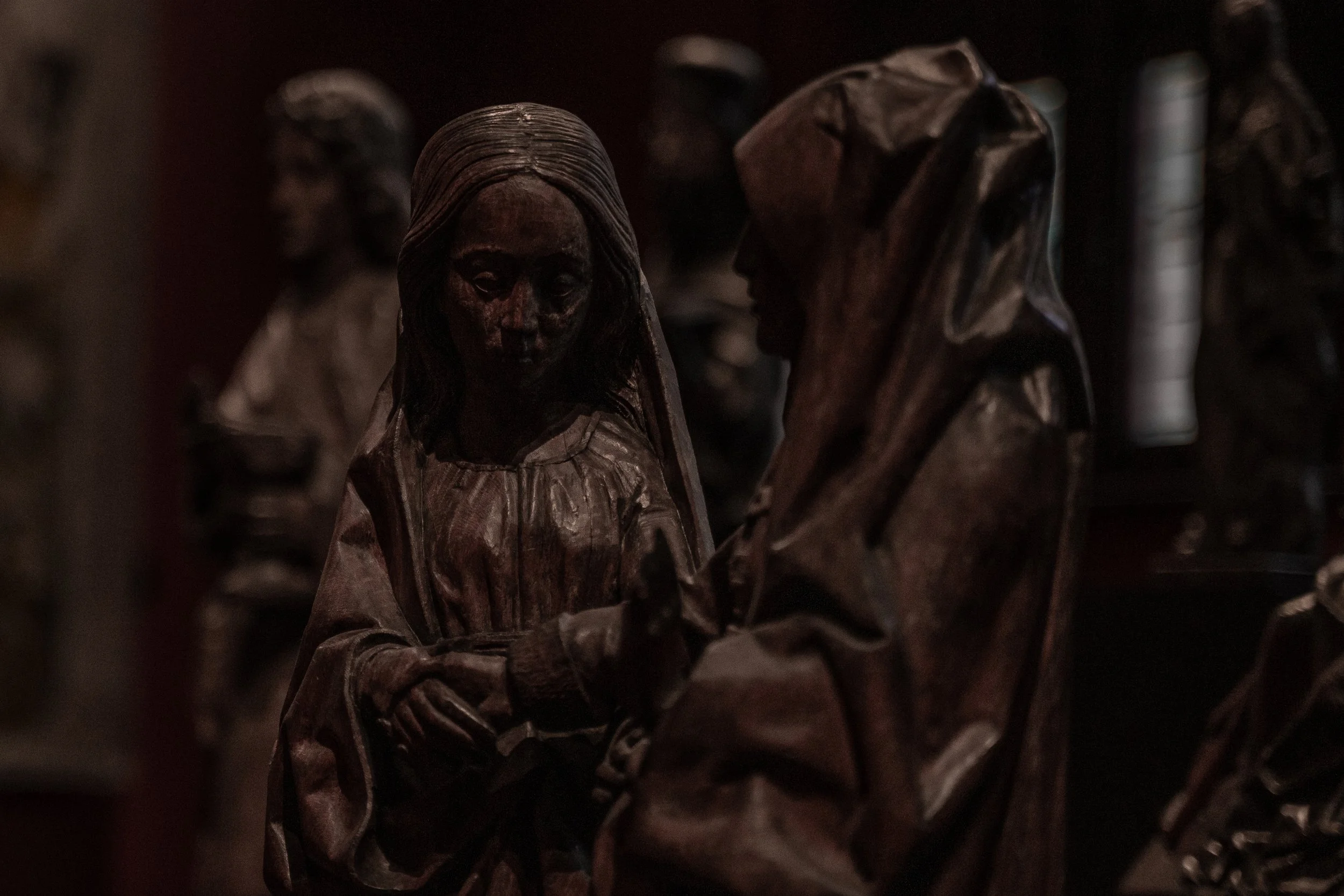
If you’re drawn to medieval religious imagery, one of the museum’s most atmospheric spaces can be found upstairs, where dark wooden sculptures showcase saints, the Virgin and Child, and figures of Christ. Among the most striking pieces is a two-metre-tall crucifix dating from 1497, depicting Christ on the cross wearing the crown of thorns.
Leading from this space is the remarkable private oratory, created around 1472 for Louis of Gruuthuse and connecting his palace directly with the neighbouring Church of Our Lady. From here, Louis and his wife, Margaretha van Borssele, could attend Mass without leaving their residence, while looking directly into the Gothic choir of the church. The small interior is richly decorated, with tiny carved angels supporting the vaulted ceiling, each given an individual face.
The museum holds many intriguing details concealed within its darkest corners. Look out for its elaborate manuscript illustrations, strange figures lurking within the stained glass, plus small medieval objects and curious details hidden throughout the palace’s architecture.
Address: Dijver 17, 8000 Brugge, Belgium