
Central Cemetery (Zentralfriedhof)
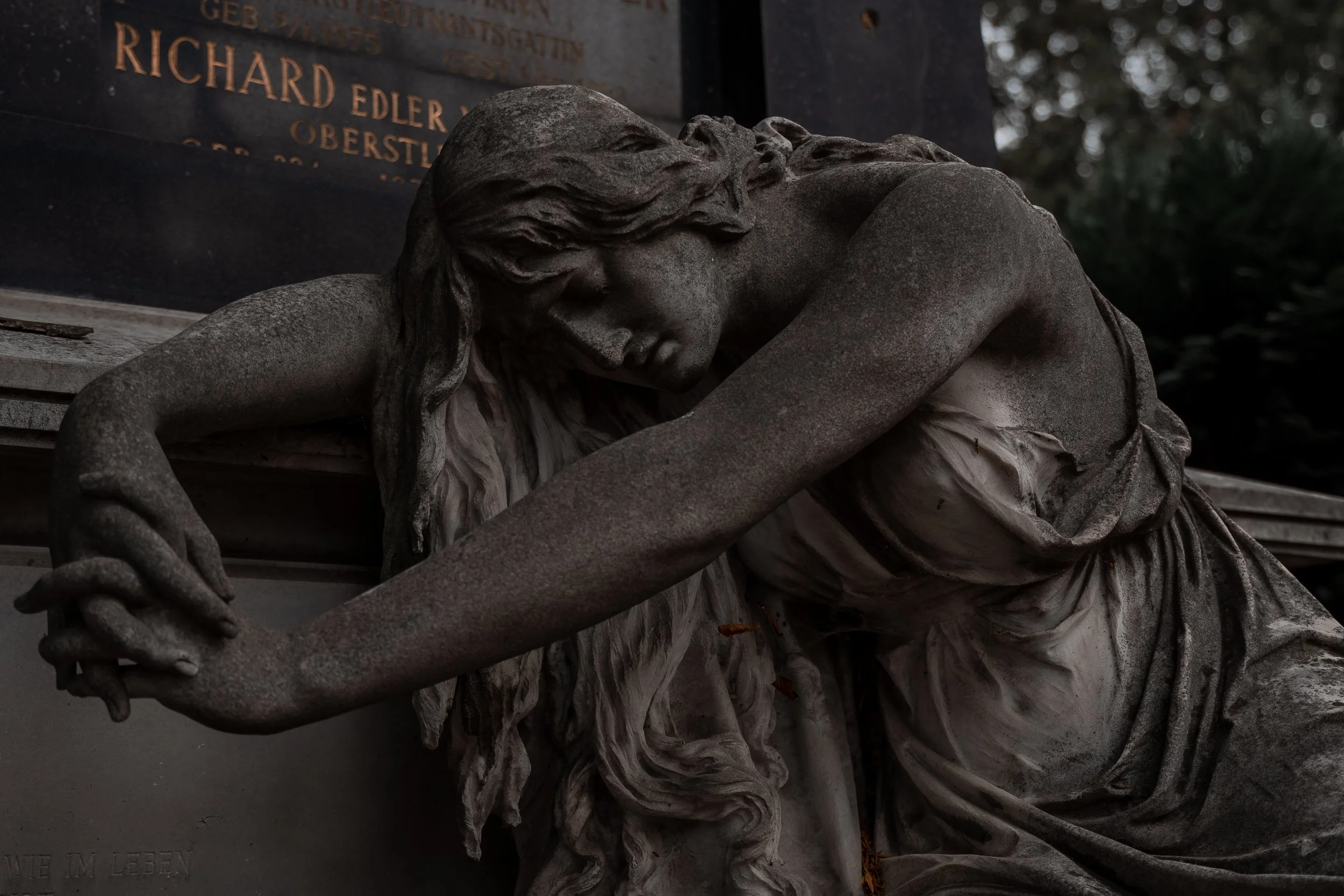
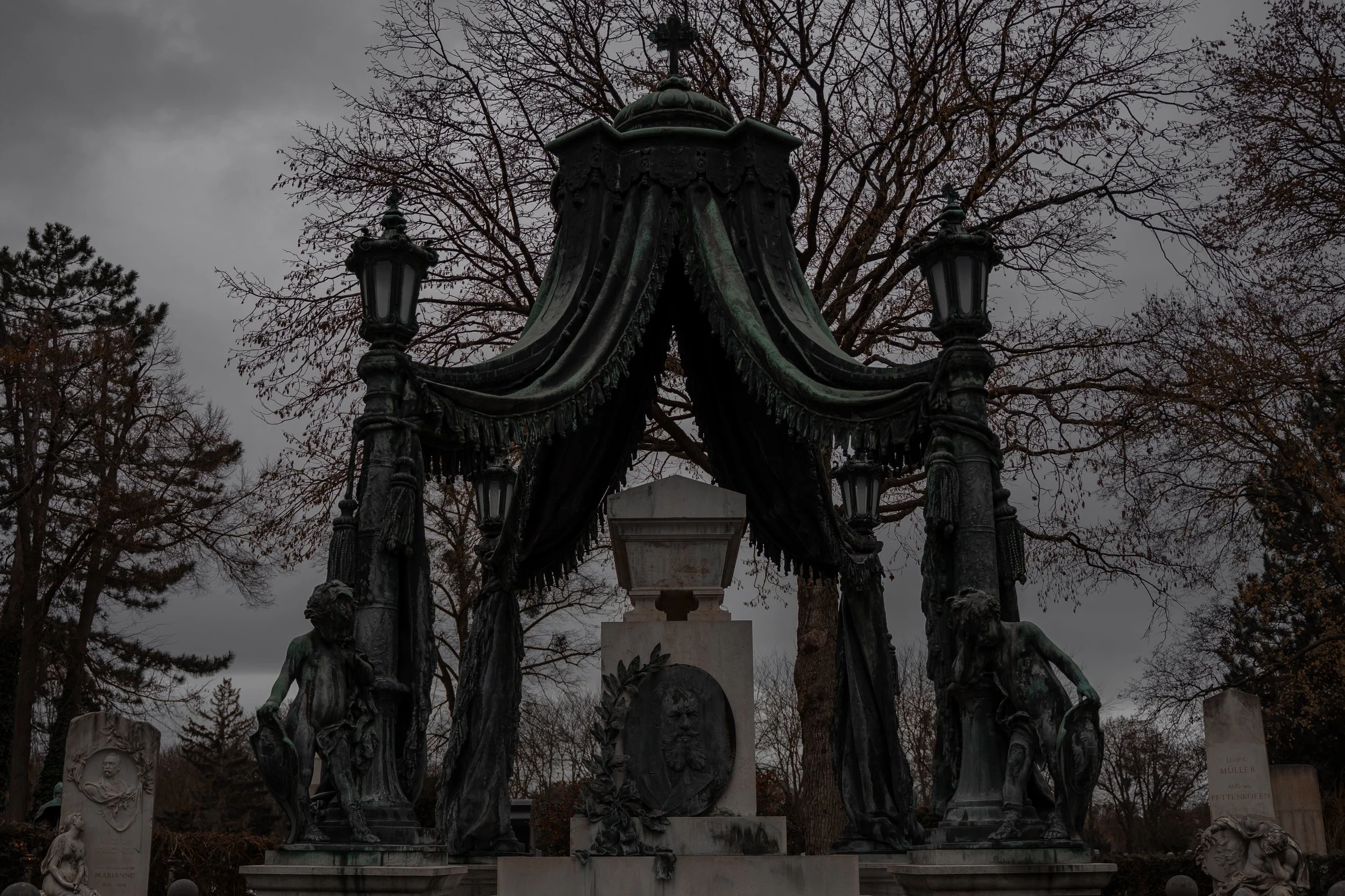
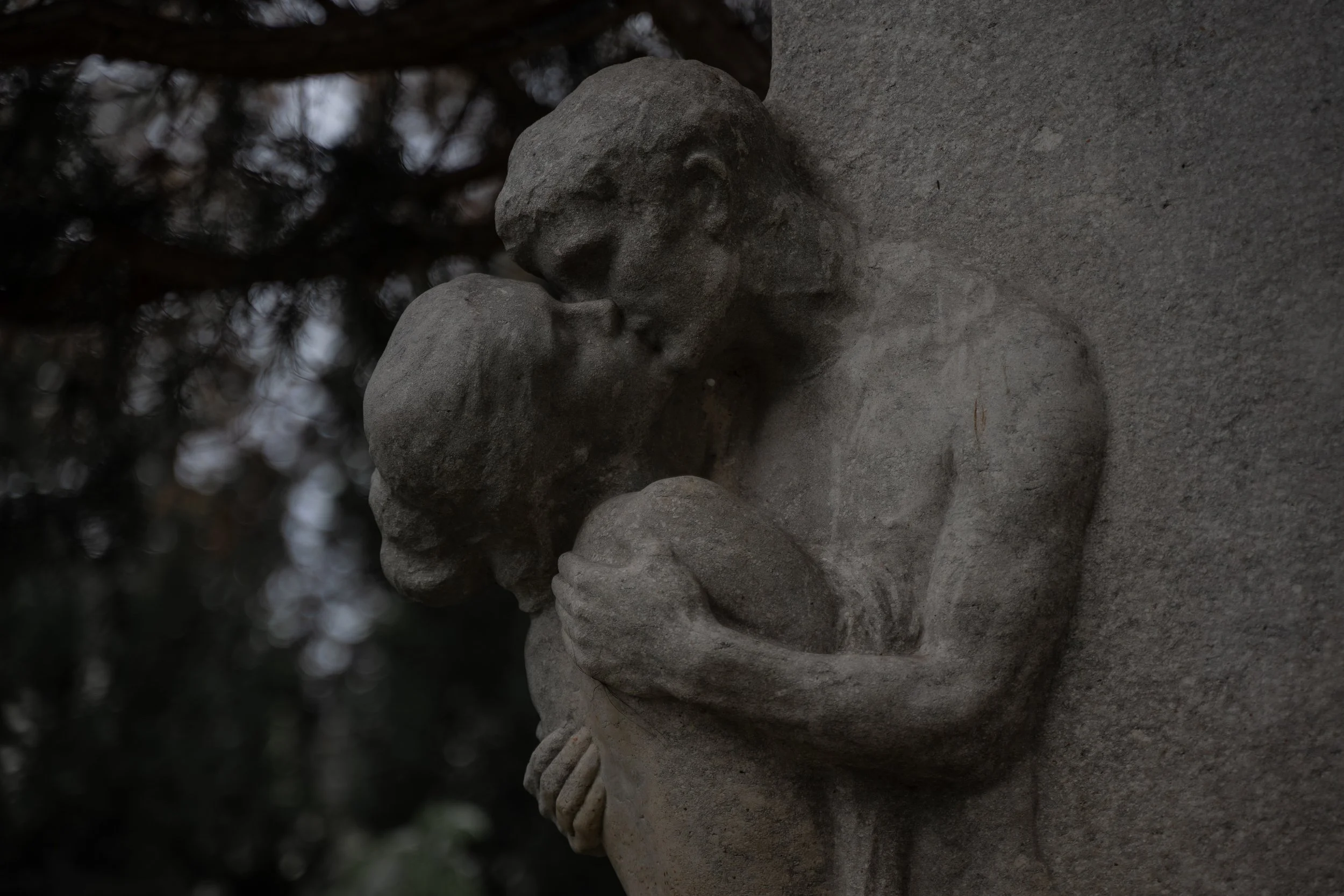

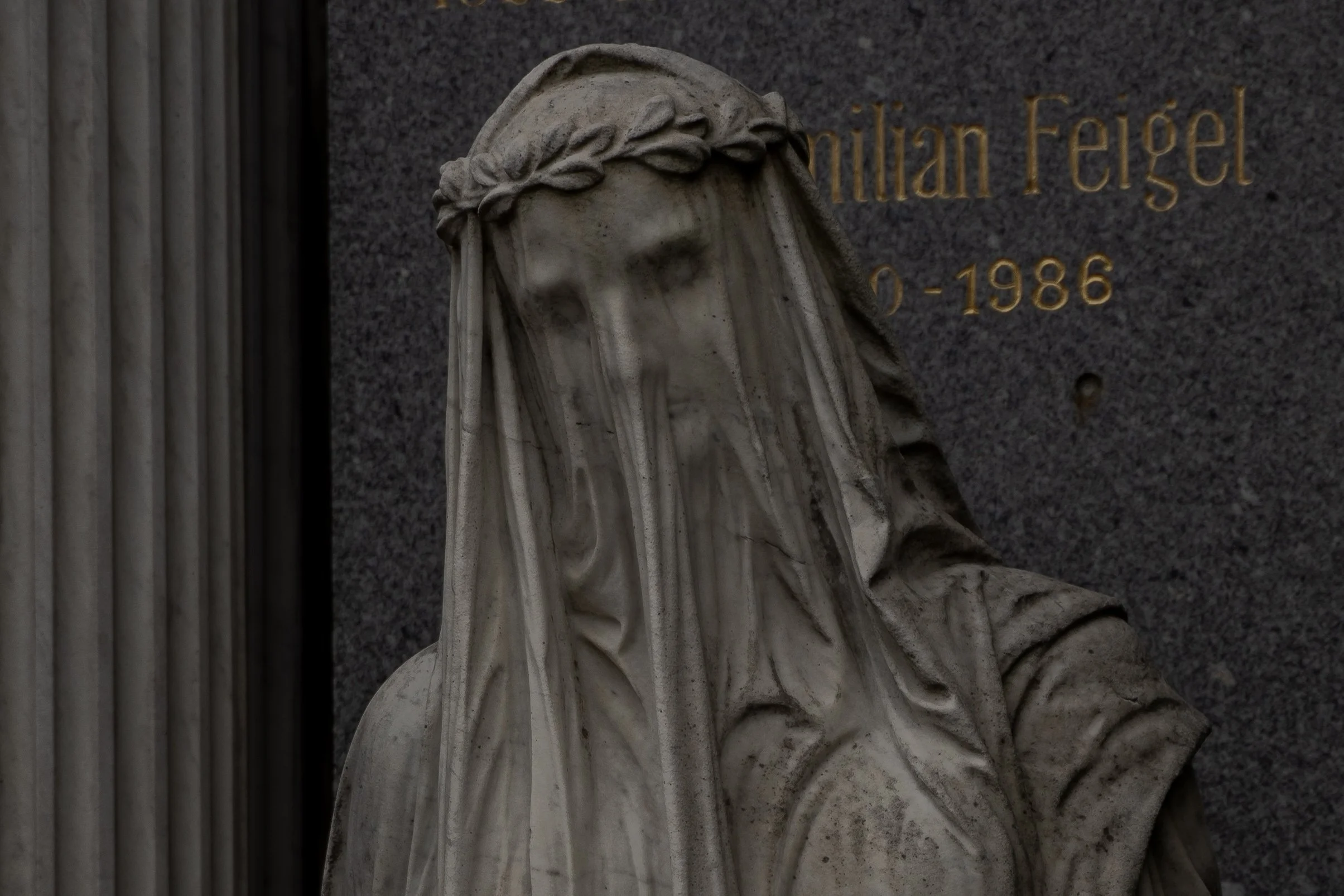
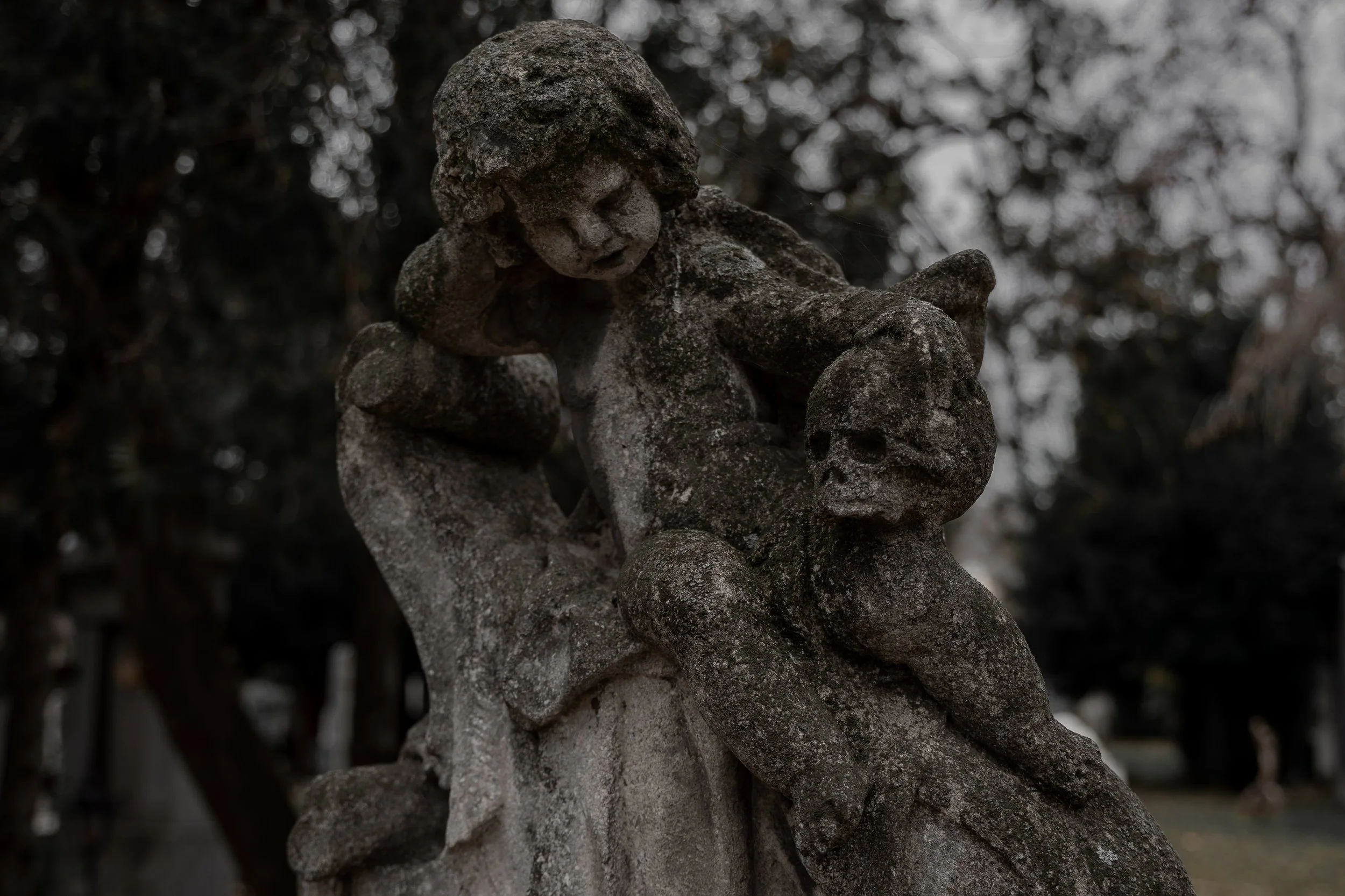
With over 300,000 graves spanning more than two square kilometres, this vast necropolis is the second largest cemetery in Europe (after Ohlsdorf in Hamburg). Although the ranking is only by size, the number of people interred here exceeds over three million. Its labyrinth of tree‑lined avenues creates a setting where art, music and mortality intertwine, perfectly reflecting Vienna’s unique cultural fascination with death. Here, death is not hidden away but embraced, ritualised and woven into daily life. Remarkably, Viennese funerals were once more elaborate than weddings!
Despite its name, the cemetery lies on the outskirts of Vienna, yet it is easily reached by taking tram 71 or 11 to Zentralfriedhof 2 for the main entrance.
By the late 19th century, the city’s suburban cemeteries were overcrowded and no longer adequate, promoting the creation of Zentralfriedhof on an enormous scale. The cemetery opened on 1st November 1874 (All Saints' Day) but its distance from the city centre initially made it unpopular. Because of this, the authorities devised creative ways to make it more appealing, one of which was ensuring a selection of Vienna’s greatest composers would be laid to rest here.
This led to Beethoven and Schubert being moved from their original burial sites to form part of the honorary graves, the Ehrengräber. In this area, known as the Musician’s Quarter, you will also find the graves of Brahms, Strauss, Schoenberg and Salieri. These memorials are not only beautiful works of art but also places of pilgrimage for lovers of classical music.
Beyond the Musician’s Quarter, delve deeper into both sides of the central avenue and the colonnade leading to the chapel, where some of the cemetery’s most elaborate Art Nouveau monuments await.
Striking allegorical sculptures, graceful female figures and ethereal angels turn the landscape into an open‑air museum of funerary art, transforming grief into beauty. Some of my favourite graves in this section include:
The ‘White Lady’ grave of Milian Feigel and Theresia Feigel
The large bronze canopy grave of Vienna mayor Johann Nepomuk Prix
The “lady feeding a snake” grave of Josef Weinlechner
The sculpture often called “The Kiss” on the grave of Alfred Hrdlicka and his wife Barbara
At the heart of the cemetery, stands the Karl Lueger Memorial Church, a stunning Art Nouveau masterpiece. From the exterior side doors, you can descend into the crypt to find Lueger’s impressive mausoleum (he served as Vienna’s mayor betweenn1897 until his death in 1910).
Make sure to venture off the beaten paths and explore the quieter, lesser‑visited corners of the cemetery. Wildlife and nature have reclaimed these areas, giving them the feel of a nature reserve with open parkland. One of the most atmospheric and evocative sections is the Old Jewish section between Gate 1 and Gate 11 on the western side. In contrast, contemporary graves near the chapel showcase Vienna’s evolving artistic expression and its ongoing dialogue with death.
Within the cemetery grounds, you’ll also find the Funeral Museum, where you can learn more about Vienna’s funeral customs, mourning attire, hearses and even emergency coffins. The museum pays homage to the city’s enduring curiosity about mortality and echoes the famous Viennese saying: “Der Tod muss ein Wiener sein” - death must be a Viennese.
Address: Simmeringer Hauptstraße 234, 1110 Wien, Austria