
Stadhuis (City Hall)
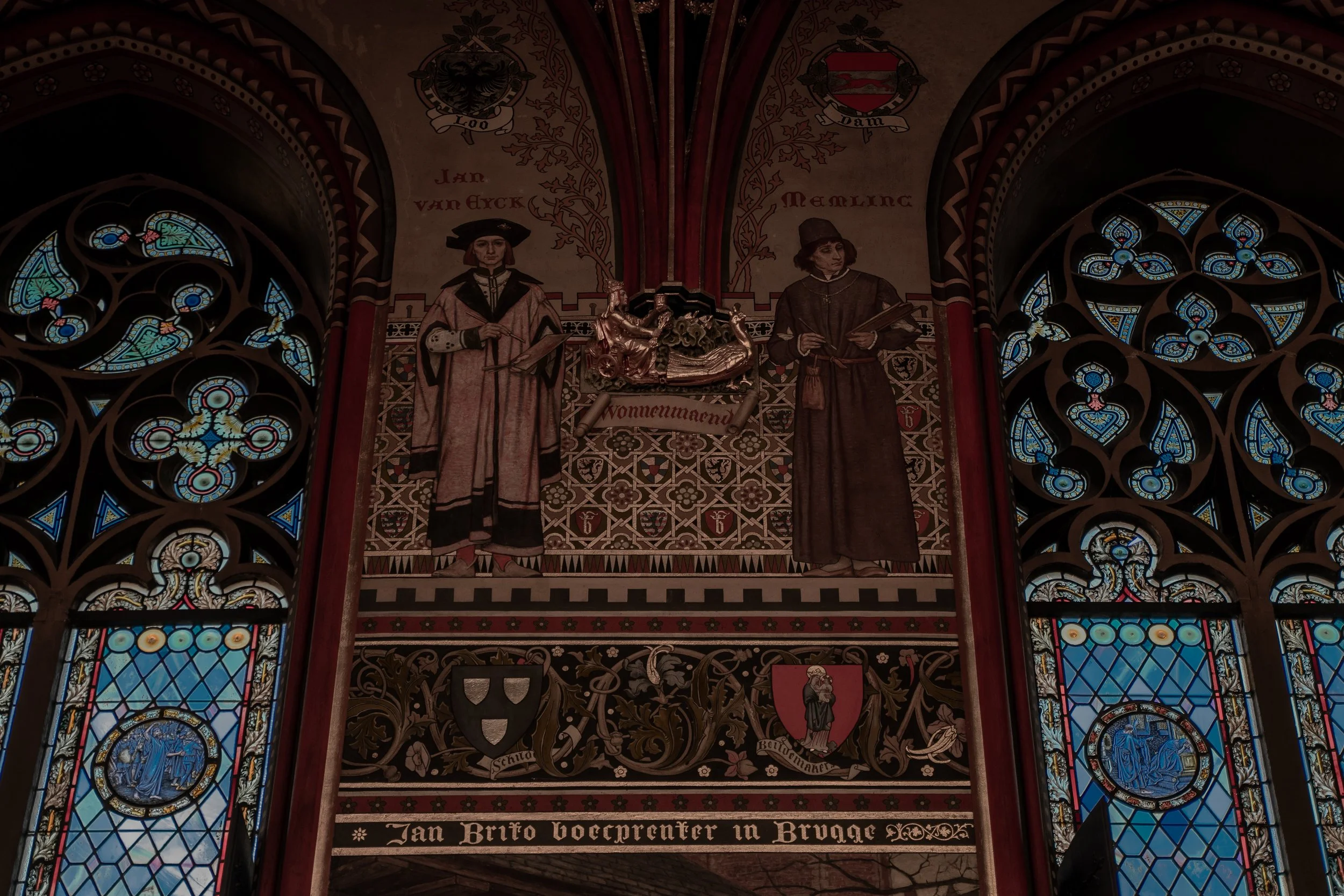
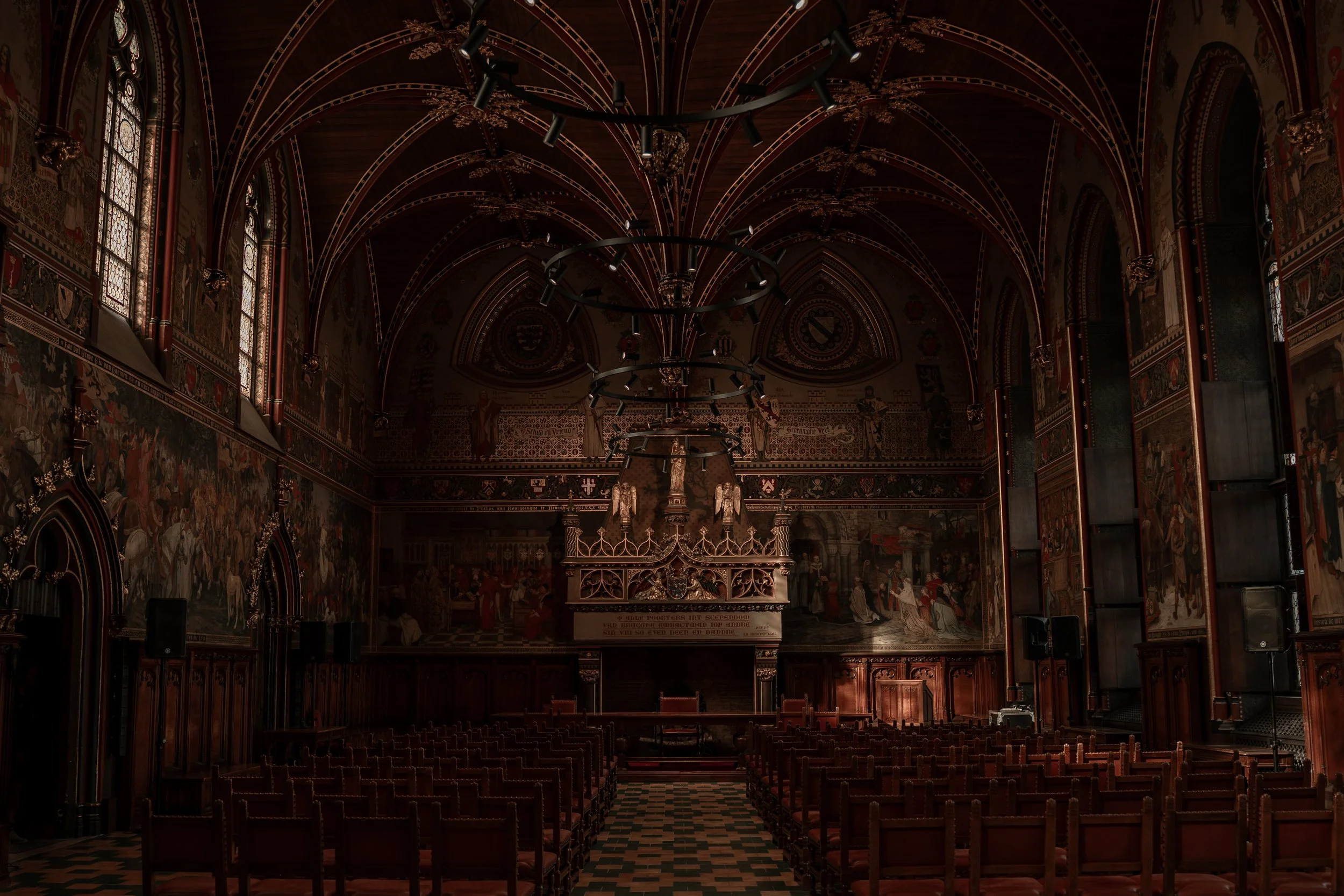
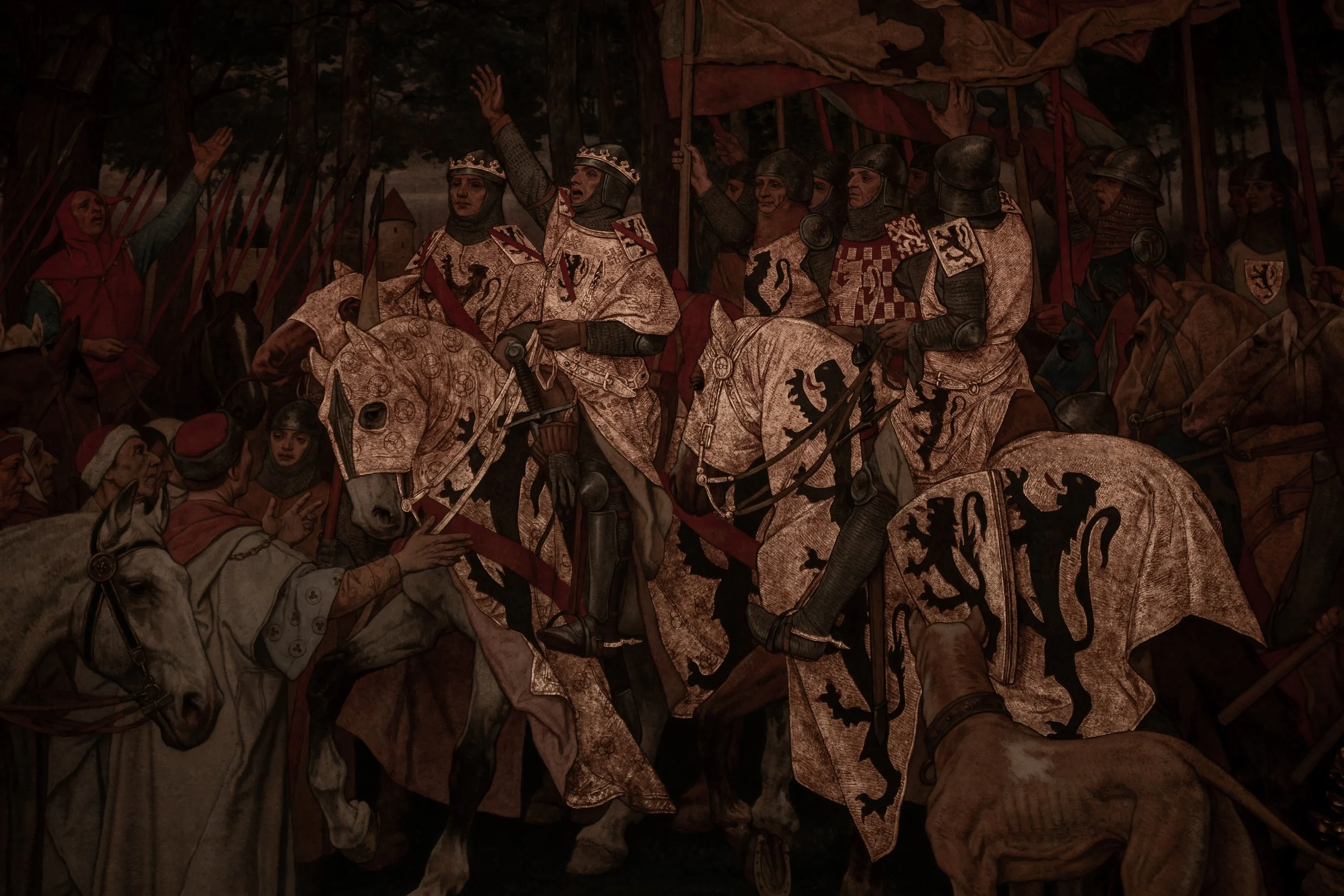
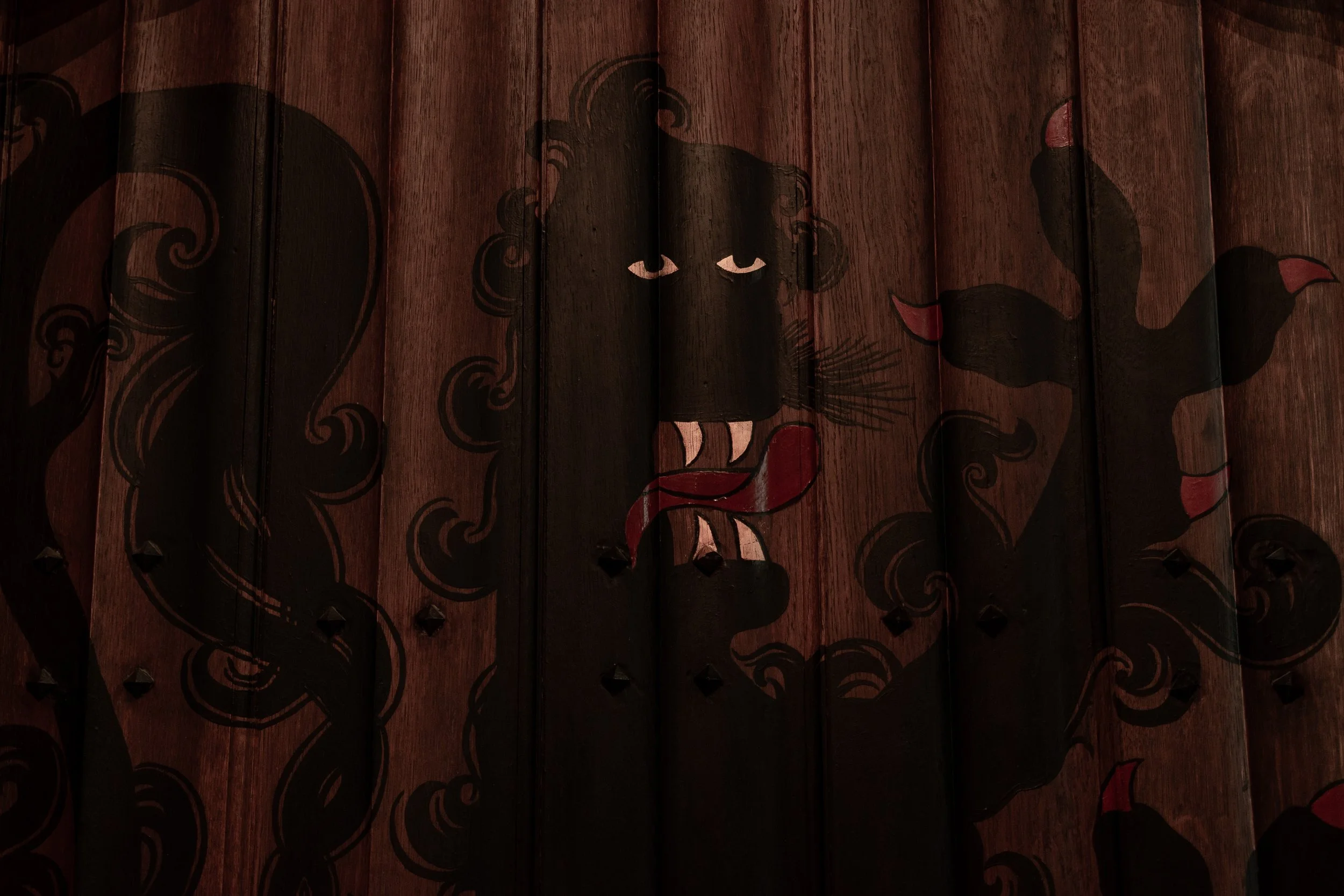
Standing proudly on Burg Square, Bruges City Hall is among the oldest surviving city halls in the Low Countries and is celebrated as one of the finest examples of Gothic civic architecture in Belgium.
Built between 1376 and 1421, the Stadhuis has served as the seat of Bruges’ government for over six centuries. Its distinctive Gothic design became a model for civic buildings across the region, influencing the town halls that later appeared in Brussels, Ghent, Leuven and Oudenaarde.
Before venturing inside, take a moment to admire the intricate details of the façade. Tall, slender windows rise between rows of sculpted figures, ornate niches, pointed canopies and delicate pinnacles, creating an impressive display of Gothic craftsmanship. Although many of the statues visible today are replacements, (following the destruction of the originals during the French period in the late 18th century), they offer a glimpse of the building’s medieval splendour. Yet, for all the beauty of its exterior, the Stadhuis conceals something even more extraordinary upstairs.
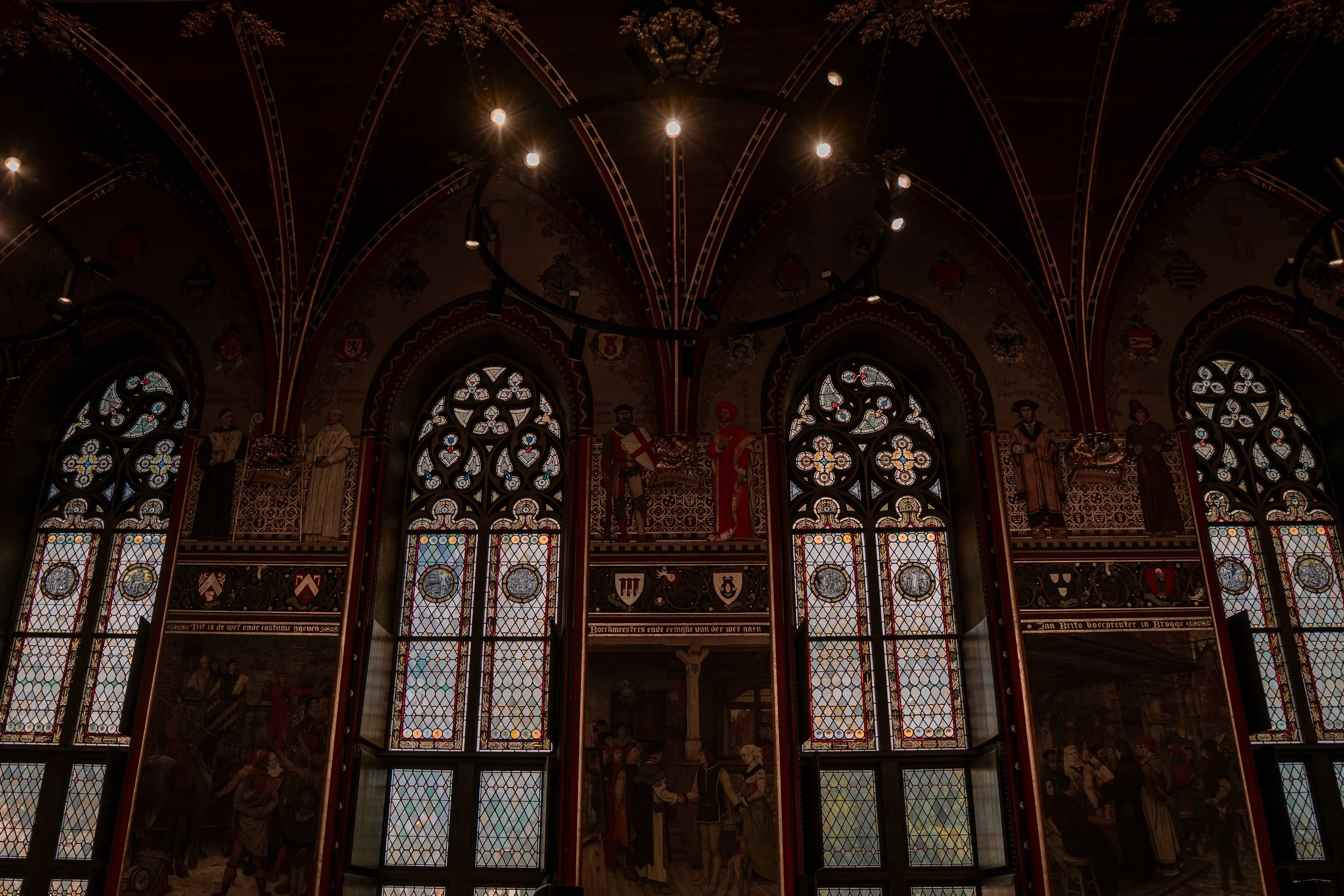
Ascending the grand staircase brings you to the Gothic Hall, a magnificent ceremonial space where almost every surface is adorned with ornamentation. While the City Hall itself dates back to the Middle Ages, much of the hall’s present appearance is the result of extensive restoration undertaken during the late 19th and early 20th centuries. The result is a colourful interpretation of Bruges’ medieval past, brought to life through elaborate architectural features and decorative artistry.
What amazed me most upon entering was the striking use of colour. Deep shades of red, green, blue and gold cover the walls and ceiling, while light filtering through the stained-glass windows casts an additional layer of colour across the room. Which is far removed from the bare stone interiors we so often associate with medieval architecture today, the hall offers a glimpse into the vivid world of Gothic design.
Take a moment to study the stained-glass windows individually, rather than admiring them from afar. Within their panes, you’ll discover figures, heraldic symbols and intricate ornamental details, all beautifully illuminated by the shifting daylight.
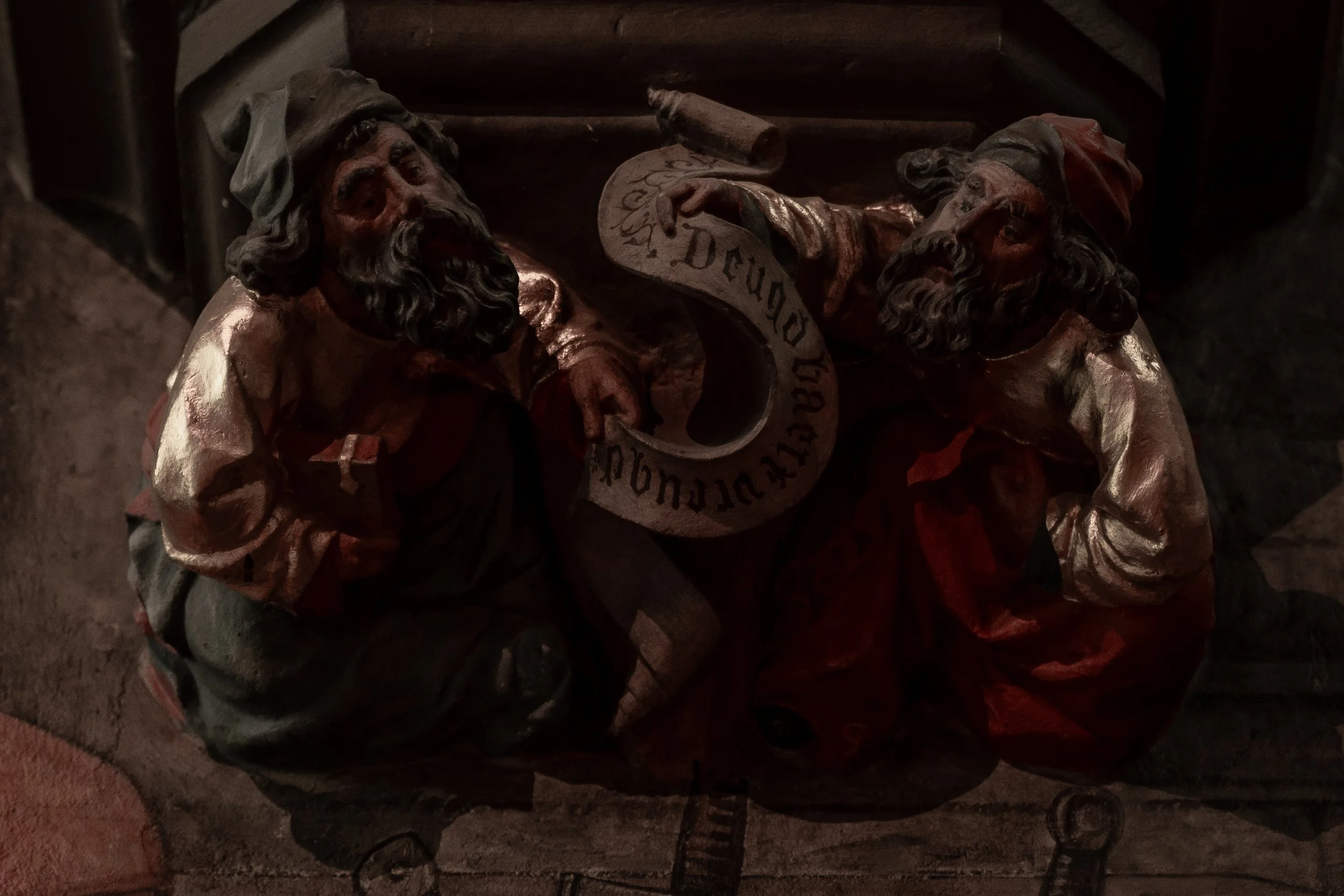
Overhead, the vast wooden Gothic vault is among the hall’s most impressive features. Its painted surface is decorated by medallions and quatrefoil motifs, while beneath it, the surviving 14th century stone and wood consoles offer a rare glimpse of the building’s original craftsmanship.
Amidst such an extensively embellished interior, some of the most fascinating features are easily missed. If you take time to examine the points where the vaulted ceiling meets the walls, you’ll discover carved and painted figures nestled amongst foliage and other decorative motifs. Here, you’ll find references to the changing seasons, the months of the year and the natural world, all revealing another layer of symbolism within the hall’s decoration.
The walls tell another story, as monumental murals, painted around the turn of the 20th century by Albrecht De Vriendt, depict significant episodes from Bruges’ history.
Remarkably, the hall continues to play an important role in the civic life of Bruges. More than six centuries after its construction the space still hosts meetings of the City Council, as well as civil wedding ceremonies.
While the City Hall is impressive for its Gothic architecture alone, it becomes even more interesting when you begin to notice the smaller details. Make time beneath the vaulted ceiling, to study the figures concealed within the stained glass and seek out the tiny carvings and unexpected touches of colour scattered throughout the room.
Address: Burg 12, 8000 Brugge, Belgium