
Basilica of the Holy Blood
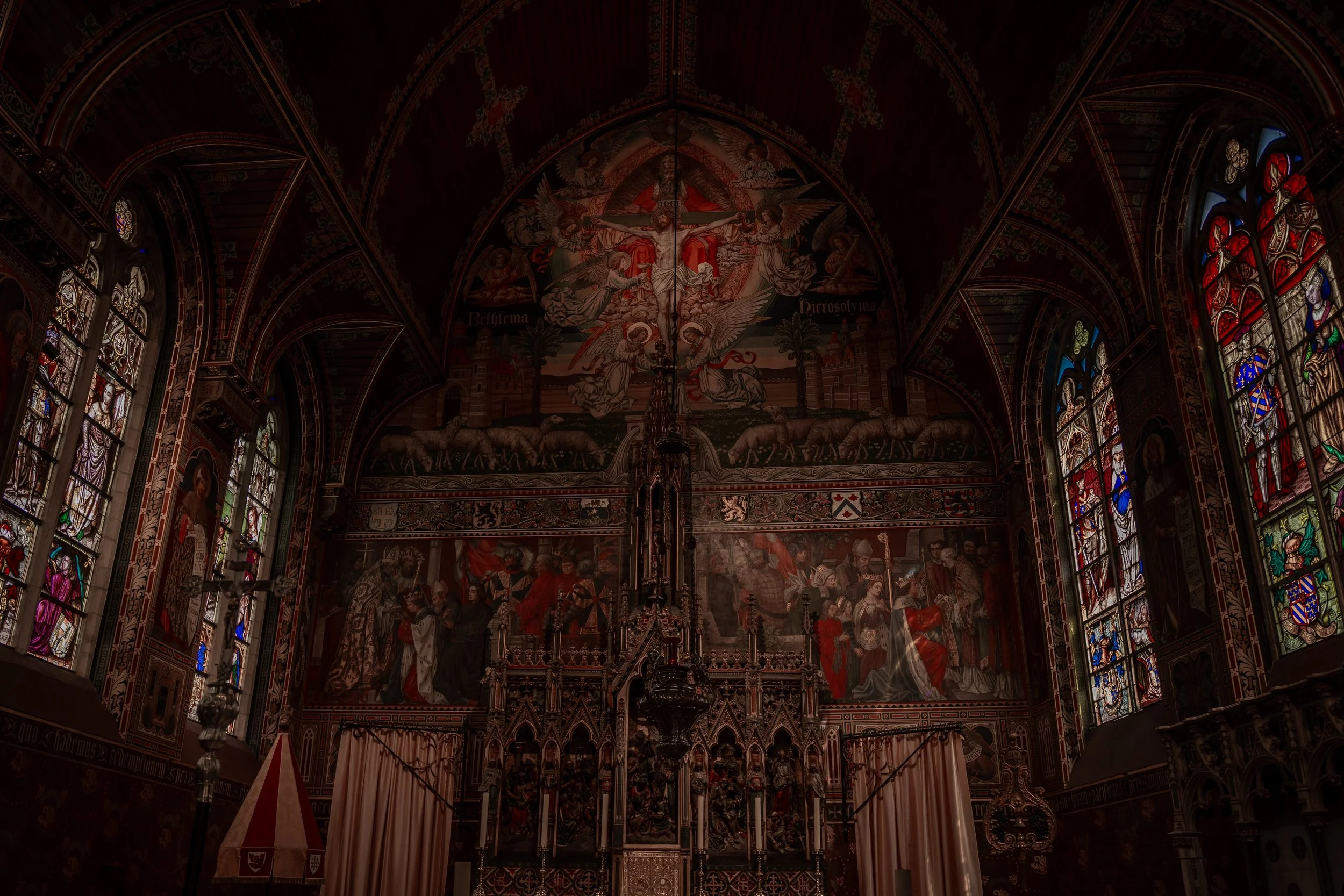
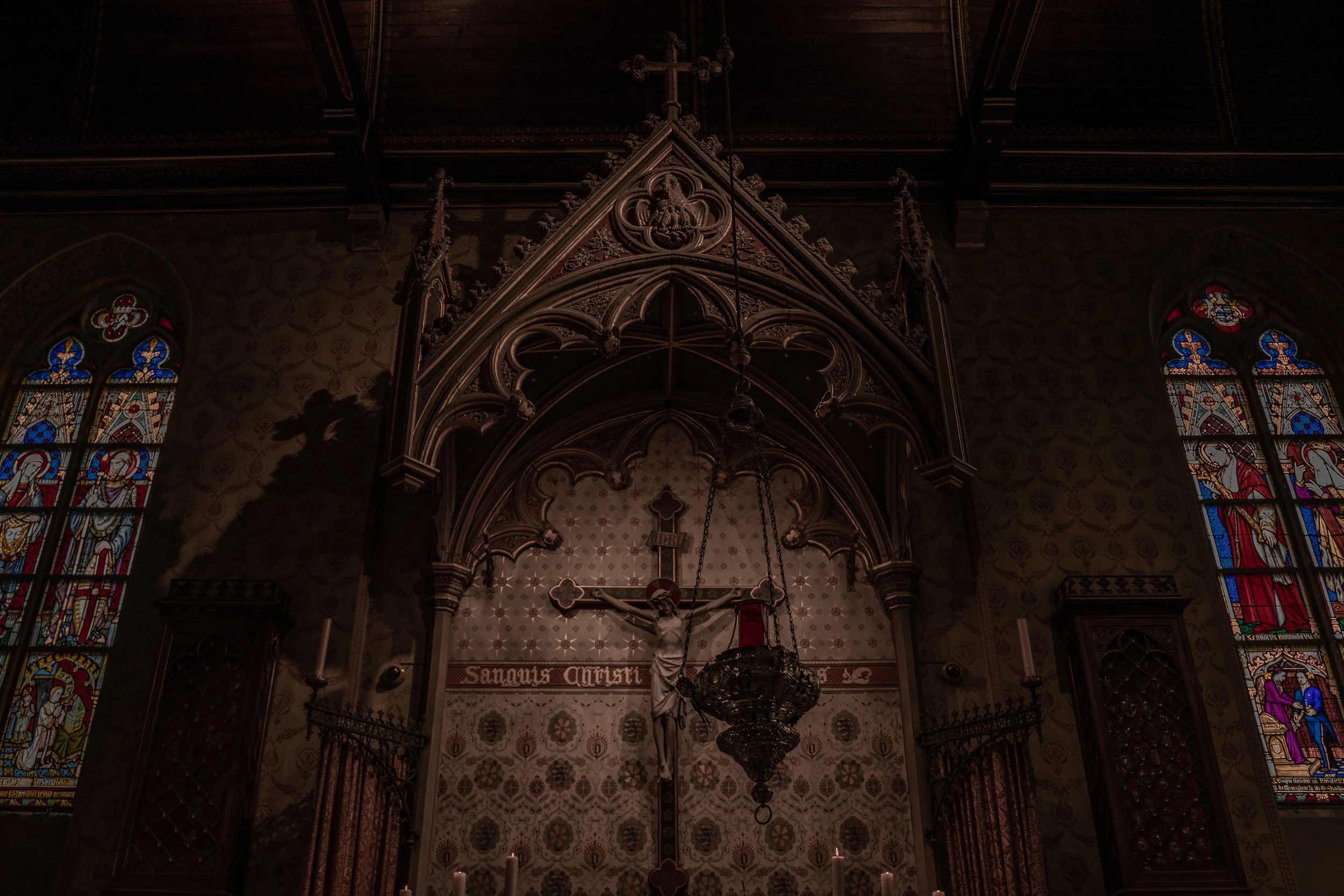
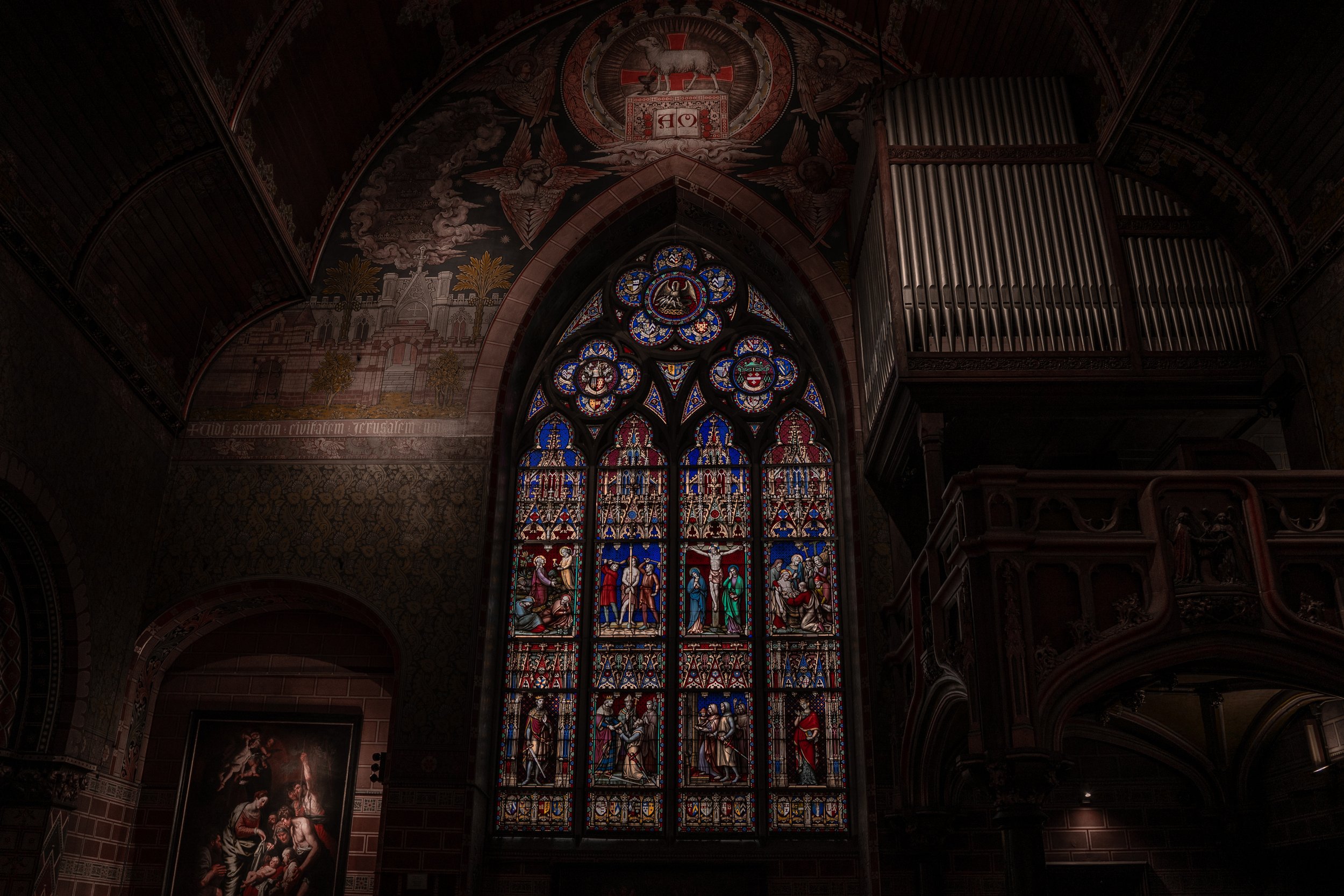
Located in one of Bruges’ most beautiful squares is a small basilica hiding a rather remarkable secret: a vial said to contain the blood of Christ. From the outside, tucked into the corner of Burg Square, it is surprisingly easy to overlook. Inside, however, two strikingly different chapels are stacked on top of each other, with a dark, austere Romanesque chapel below and a richly decorated Gothic Revival chapel above.
The lower church dates back to the 12th century and is dedicated to Saint Basil the Great. Its heavy stone pillars, ribbed vaulting and restrained decoration give it a sombre, almost monastic atmosphere compared with the chapel above. It is one of the rare surviving examples of Romanesque architecture in West Flanders. The upper chapel was originally built in the Gothic style in the 15th century but was extensively restored in the 19th century in the Gothic Revival style. The result is wonderfully theatrical, filled with vivid colours, intricate patterns, gilding and highly ornamental decoration.
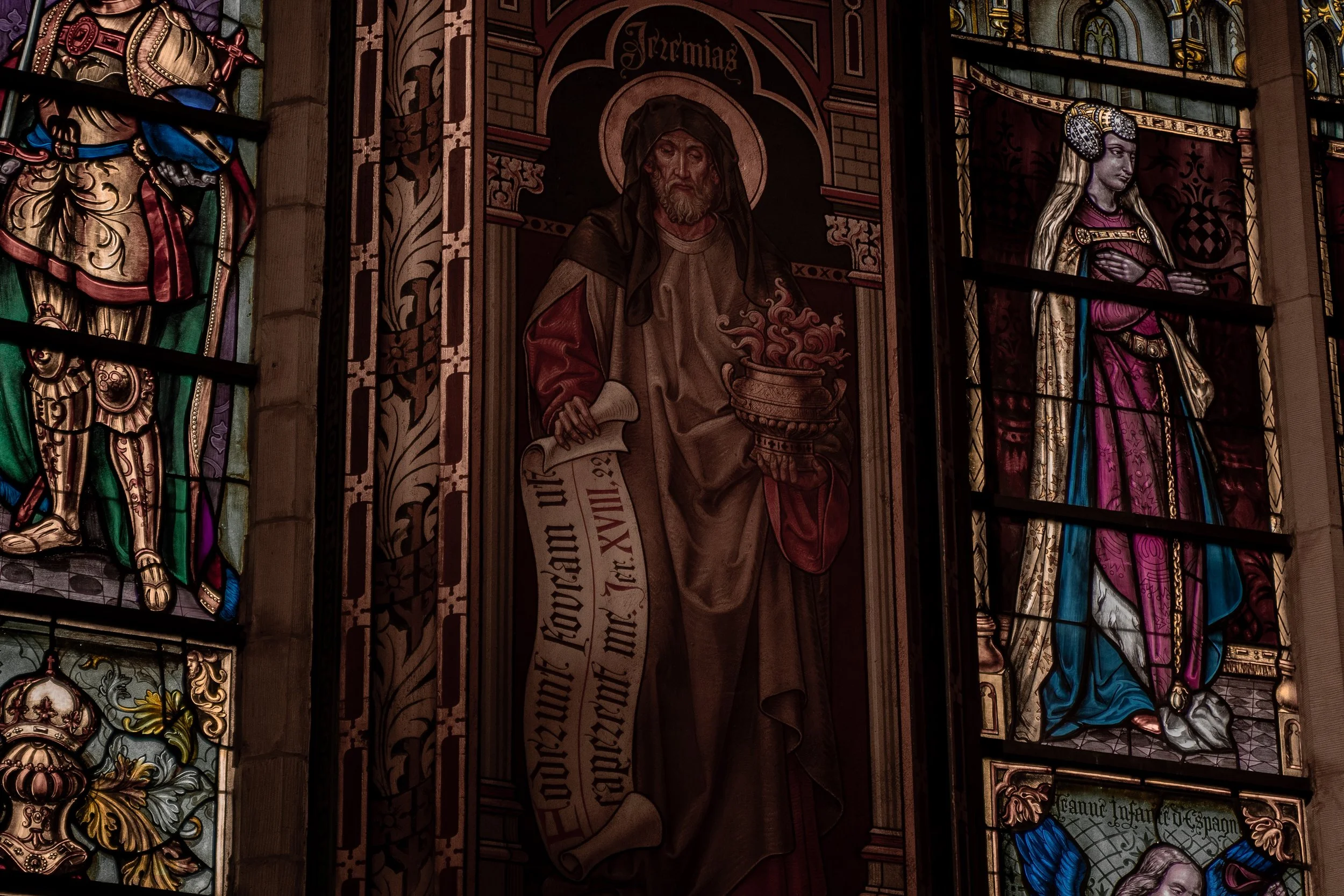
Almost every surface is worth a closer look. There are richly painted walls, gilded details, intricate woodwork and most spectacularly, highly decorated stained-glass windows. The windows in the choir date from 1845 and depict the sovereigns who ruled over the County of Flanders, stretching from Philip the Bold through to Maria Theresa. Striking reds, blues, greens and golds flood the chapel with colour, creating a dramatic contrast with the shadowy Romanesque space below.
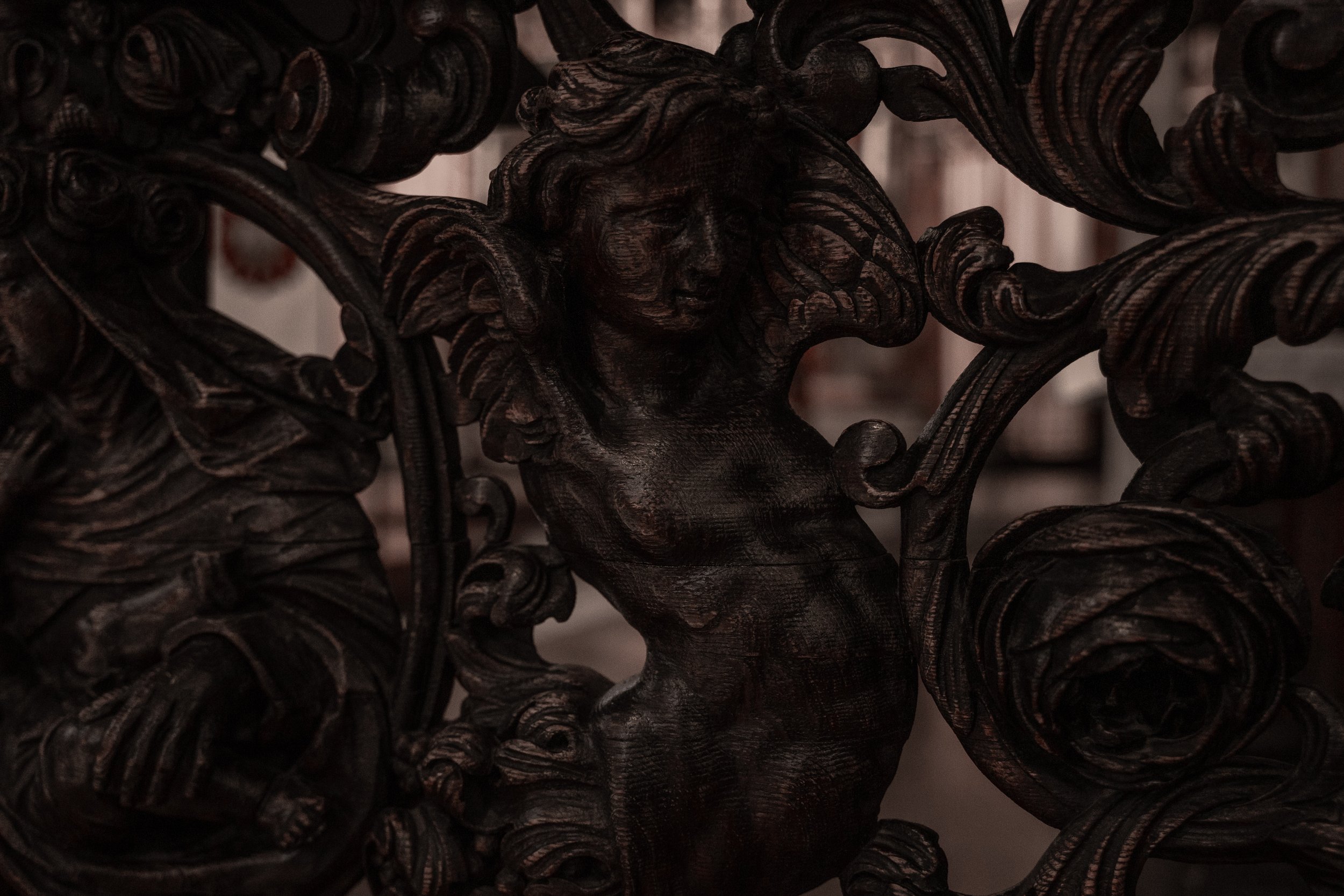
One of my favourite details is the beautifully carved wooden division between the main seating area and the altar. The 17th-century oak communion rails are decorated with carved medallions depicting winged grotesques, an intricate detail that is surprisingly easy to walk straight past when your attention is being pulled towards the stained glass and painted walls.
Of course, the reason this extraordinary chapel has attracted pilgrims for centuries is not its architecture. It is its relic. Kept inside the chapel is a small vial containing what is traditionally believed to be a piece of cloth stained with the blood of Christ. According to tradition, the relic was brought to Bruges by Thierry of Alsace, Count of Flanders, following the Crusades. While the precise origins of the relic have long been debated, its importance to Bruges is undeniable, and people have travelled here to venerate it for centuries.
At certain times, the relic is brought out so visitors can approach it individually. Holy relics have traditionally been associated with miraculous healing powers and the belief that proximity to sacred remains could bring spiritual or physical healing was one of the forces behind medieval pilgrimage. Today, people still queue to approach the Holy Blood, pray beside it and make an offering.
During my visit, a blind man and his wife were the first people to approach the relic. Watching them make their way towards it together was incredibly moving and made the experience feel very different from simply viewing another historic object behind glass. Whatever your own beliefs, it is worth remembering that for many of the people visiting, it isn’t a tourist attraction but an object of profound faith and devotion.
If you want to experience the relic for yourself, I would recommend arriving early, just before it is brought out. This also gives you the opportunity to photograph the upper chapel while it is still relatively quiet. Once the relic is presented for veneration, please note photography is no longer permitted. I would also recommend bringing some loose change if you would like to make an offering when you approach the relic. The timings for the presentation of the Holy Blood can vary, so check the current schedule before your visit.
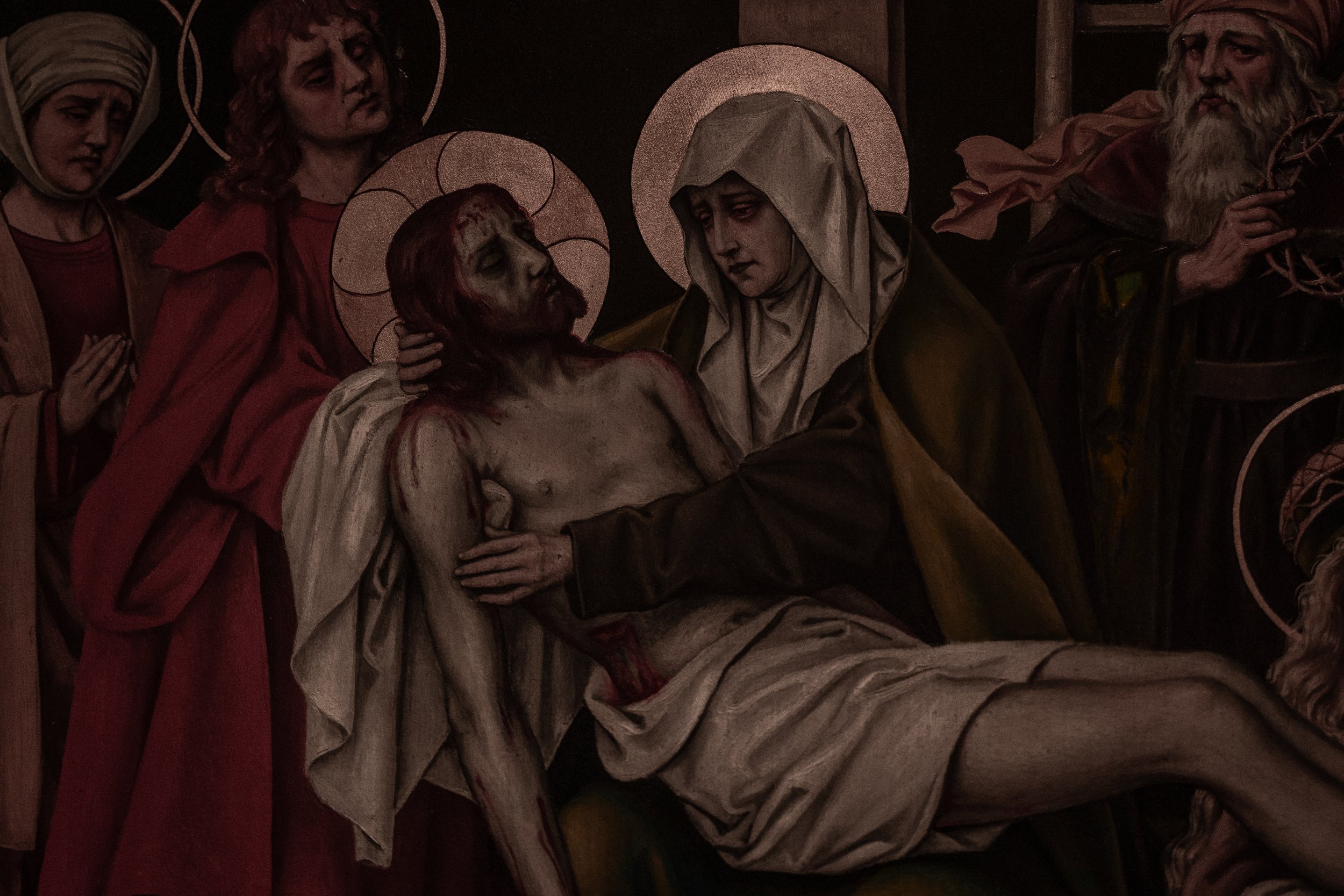
Afterwards, make sure to visit the small museum and treasury. This is where some of the basilica’s most opulent treasures are displayed, including the magnificent shrine created for the Holy Blood. Made by Bruges goldsmith Jan Crabbe in the early 17th century, it contains around 30kg of gold and silver and more than 100 precious stones. The museum also contains paintings, triptychs, carved oak panels and historic objects connected to the centuries-long veneration of the relic. Together, they give you a sense of just how deeply the Holy Blood is woven into the religious history of Bruges.
For me, it is this layering of different periods that makes the Basilica of the Holy Blood such a fascinating place to visit. It is a site where medieval pilgrimage, Romanesque and Gothic architecture, ornate 19th-century Gothic Revival decoration and one of Bruges’ most curious relics all collide within one surprisingly small church.
Address: Burg 13, 8000 Brugge, Belgium