
St Dunstan in the East
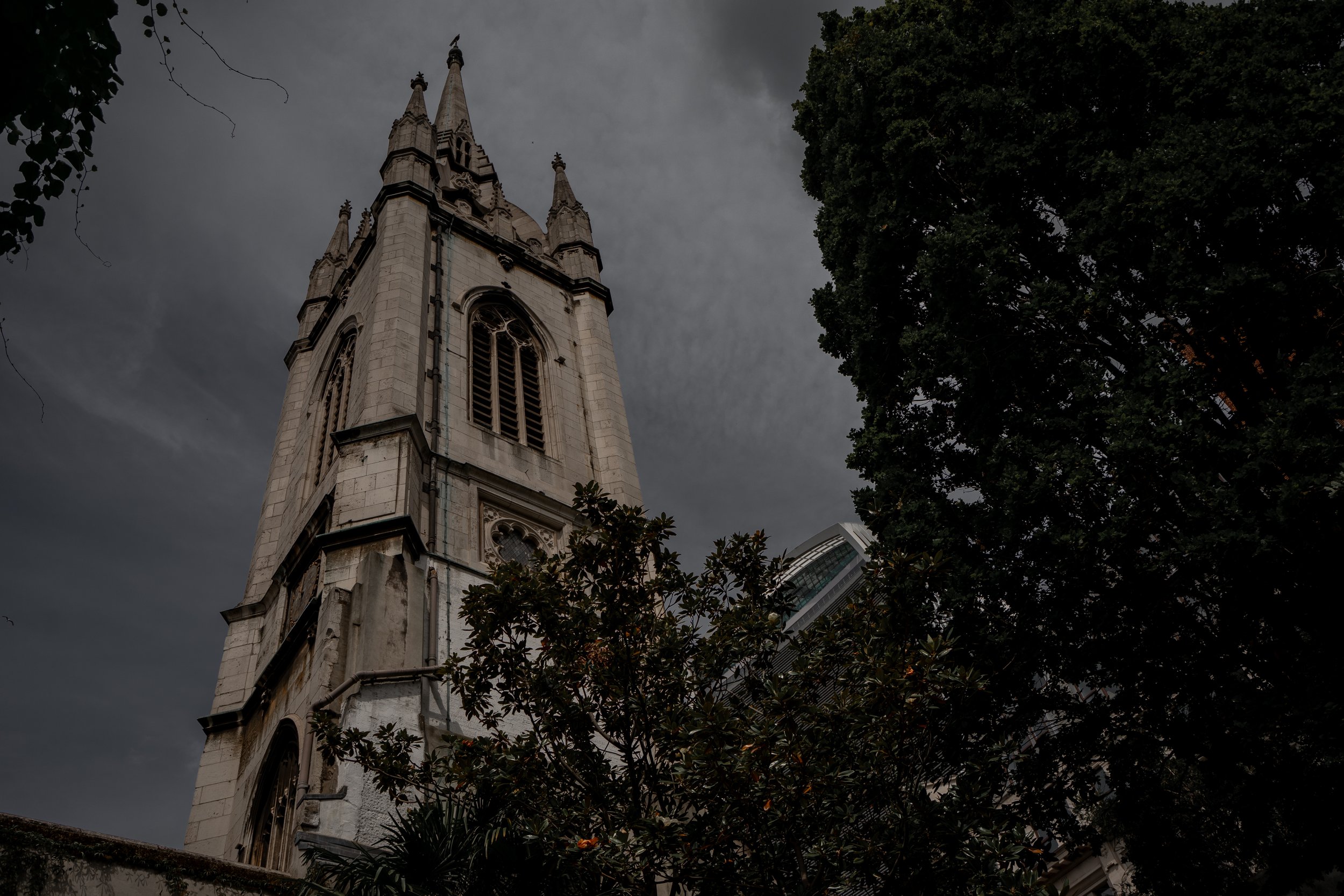
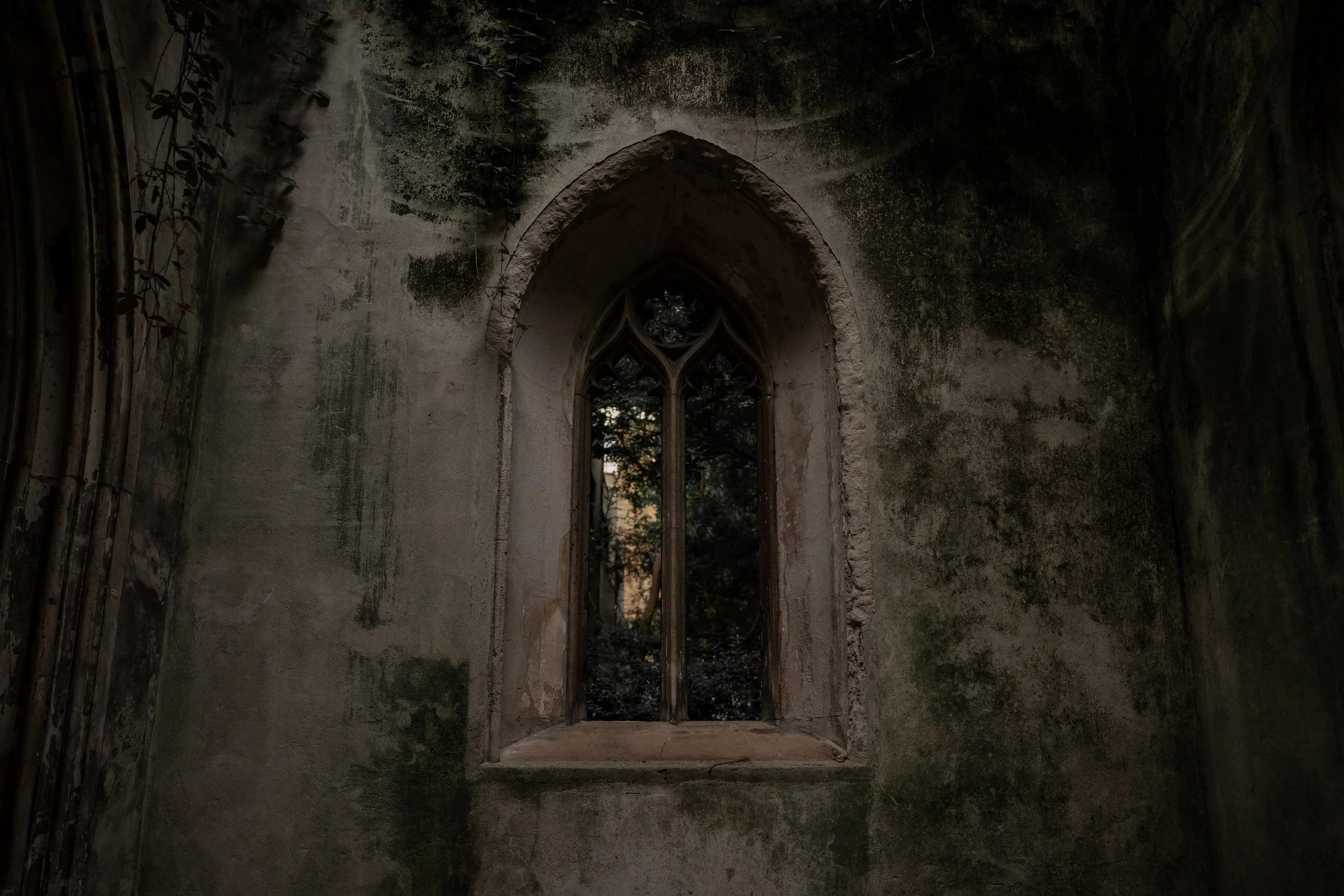
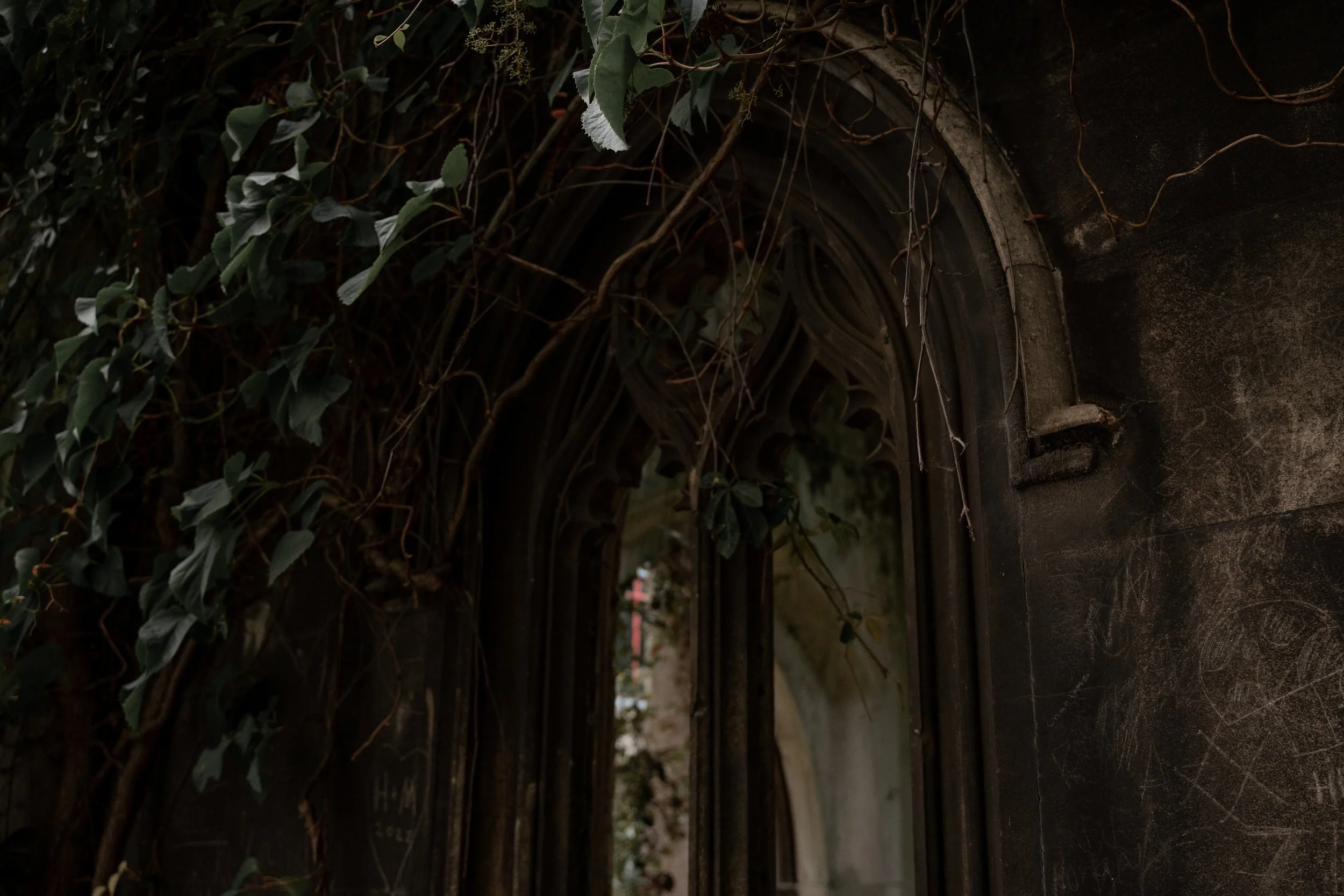
Tucked between London Bridge and the Tower of London, St Dunstan in the East feels like a secret held in plain sight. A 900 year old fragment of the City that has survived fire, war and reinvention. Originally a medieval parish church, it was rebuilt by Sir Christopher Wren after the Great Fire of London, only to be devastated again in 1941 during the Blitz. This time, the City chose not to restore it. Instead, the ruins were preserved as a public garden, transforming destruction into one of London’s most atmospheric spaces.
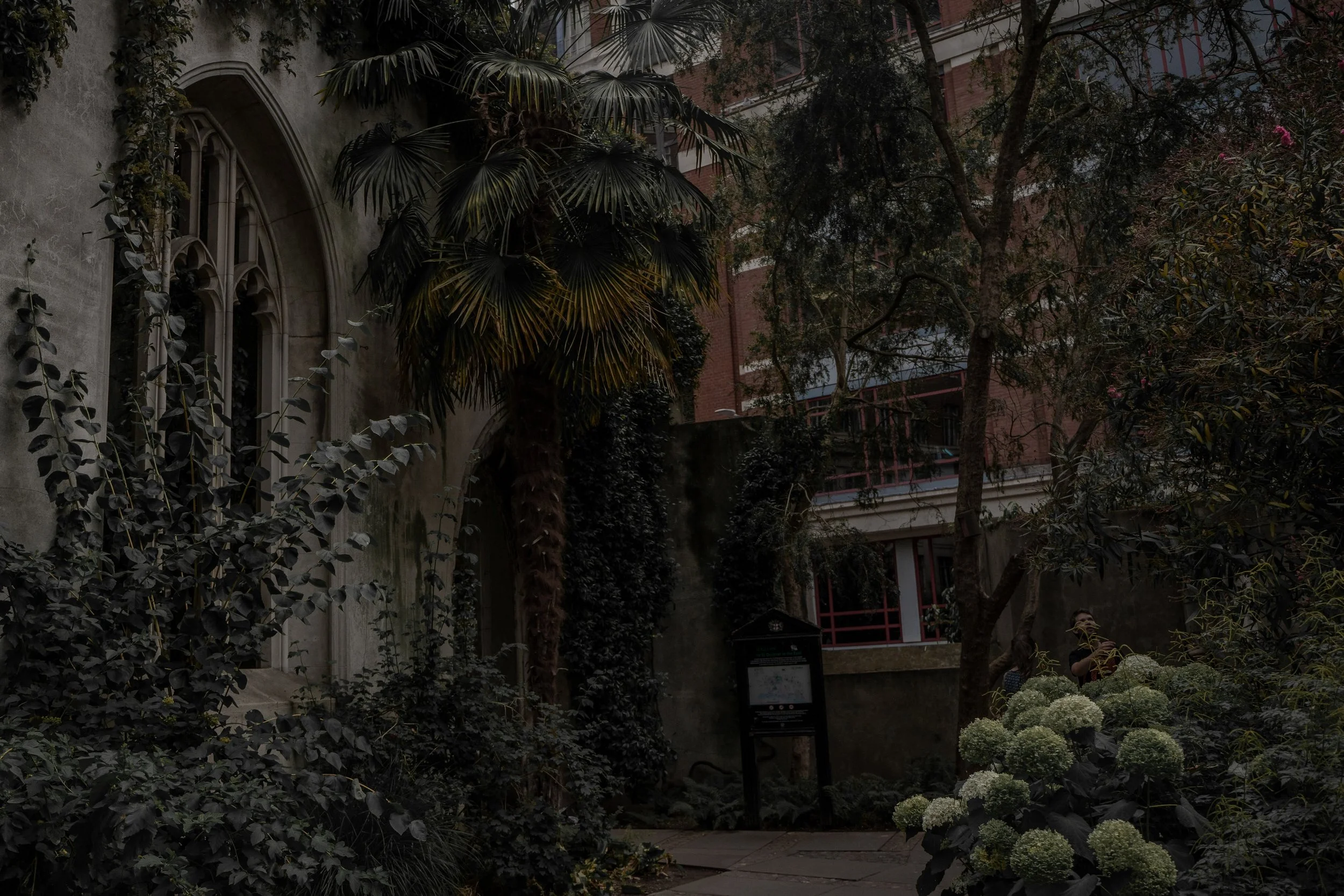
What remains is a frame of stone and history. Wren’s surviving tower rises above broken Gothic arches, while the roofless nave has become an open-air cloister where architecture and nature intertwine. Ivy pours through empty window tracery, trees grow through shattered ruins and sunlight moves softly across the stonework, creating a quiet sanctuary.
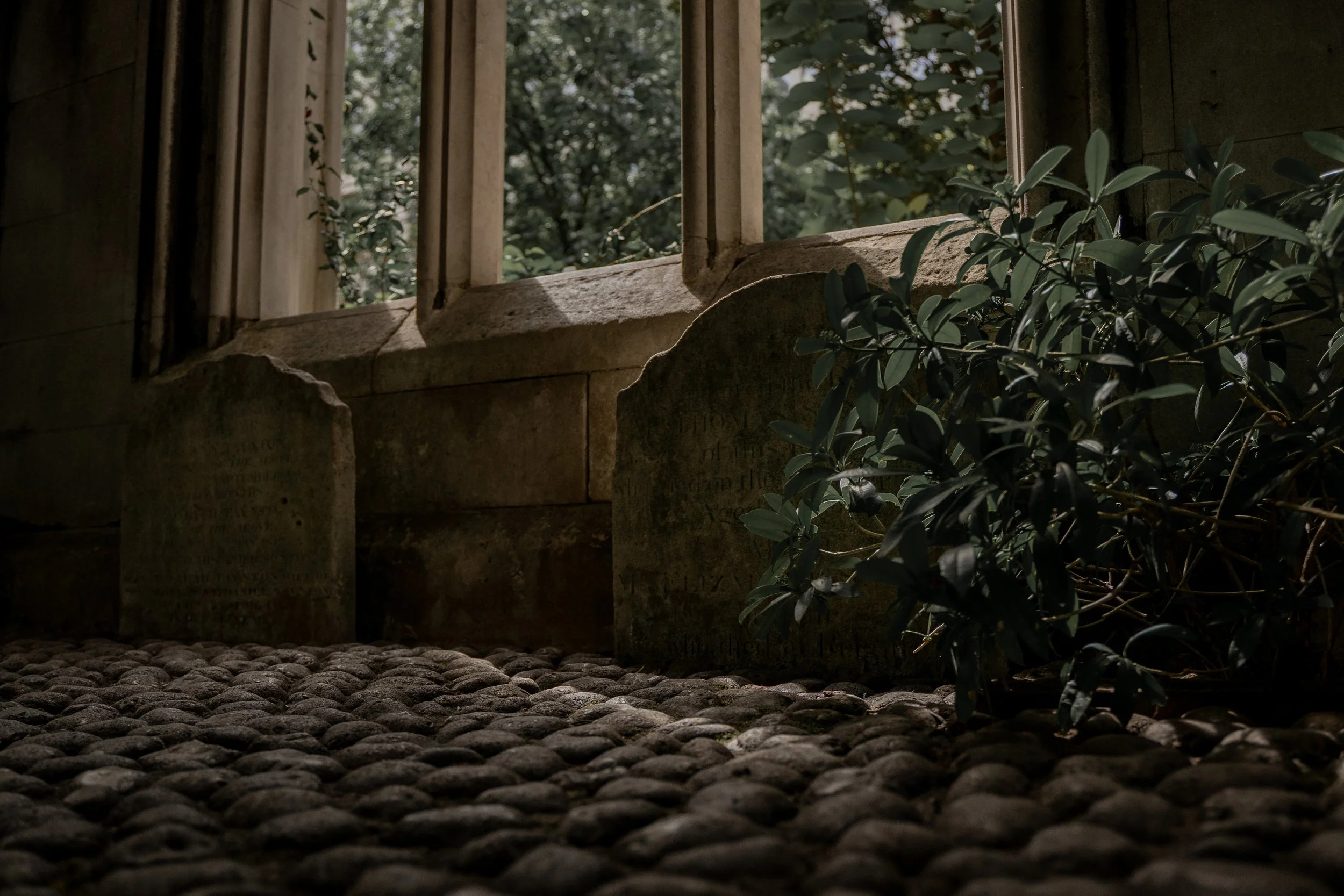
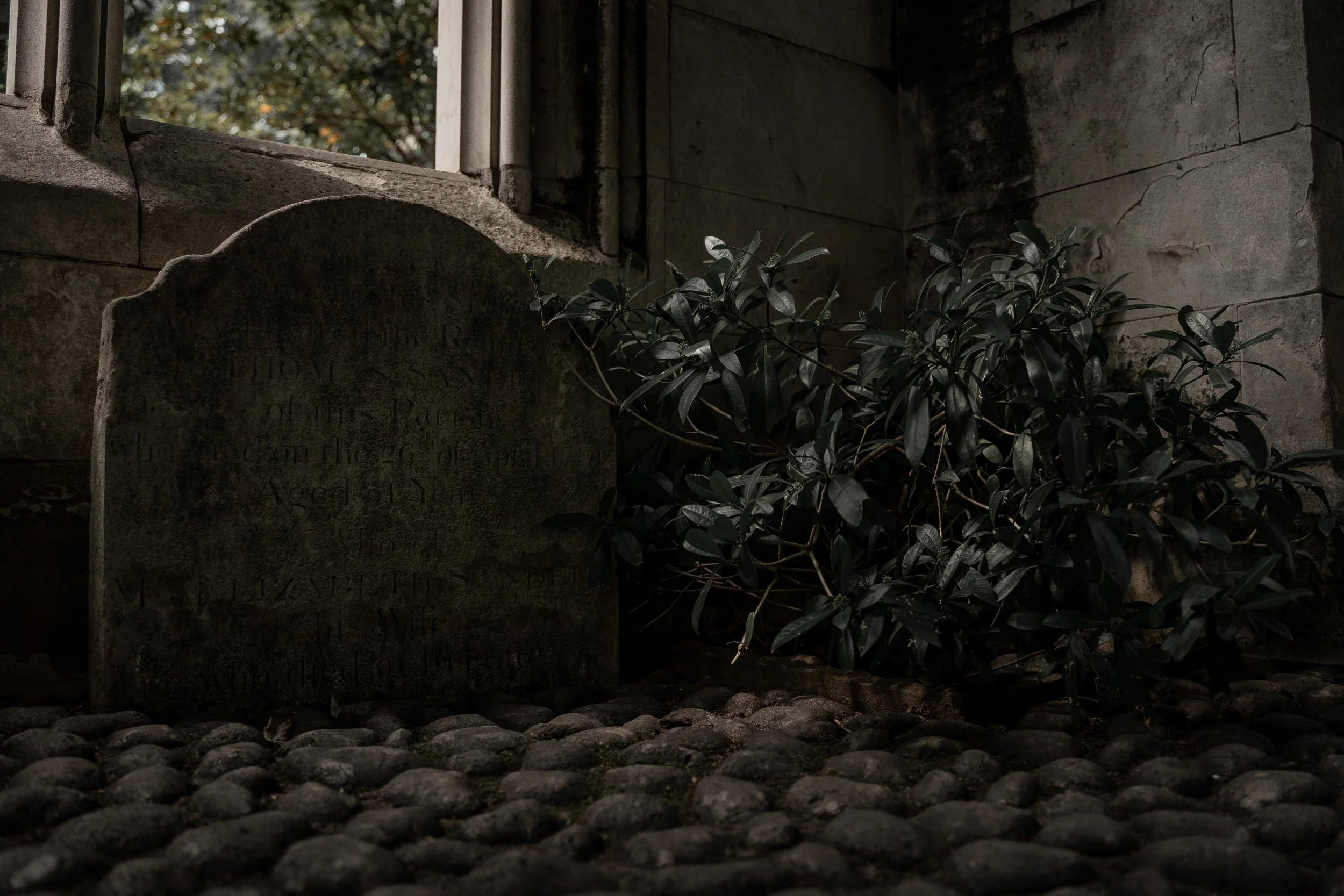
Birds nest in the arches, squirrels run along the tops of the walls and fragments of moss-covered gravestones still mark the site’s earlier life as a burial ground. The boundary between building and landscape has dissolved, leaving a space that feels neither fully wild nor fully man-made.
After the Second World War, the ruins were formally converted into a garden of remembrance, designed to honour both the destruction of the Blitz and the resilience of the City itself. Today, office workers eat lunch beneath its trees, visitors stumble in and fall silent and photographers chase the shifting light through its fractured frame.
St Dunstan in the East is now one of the City’s most peaceful corners, a place where medieval history, Wren’s architecture and post-war ruin have fused into something quite otherworldly.