
Metairie Cemetery
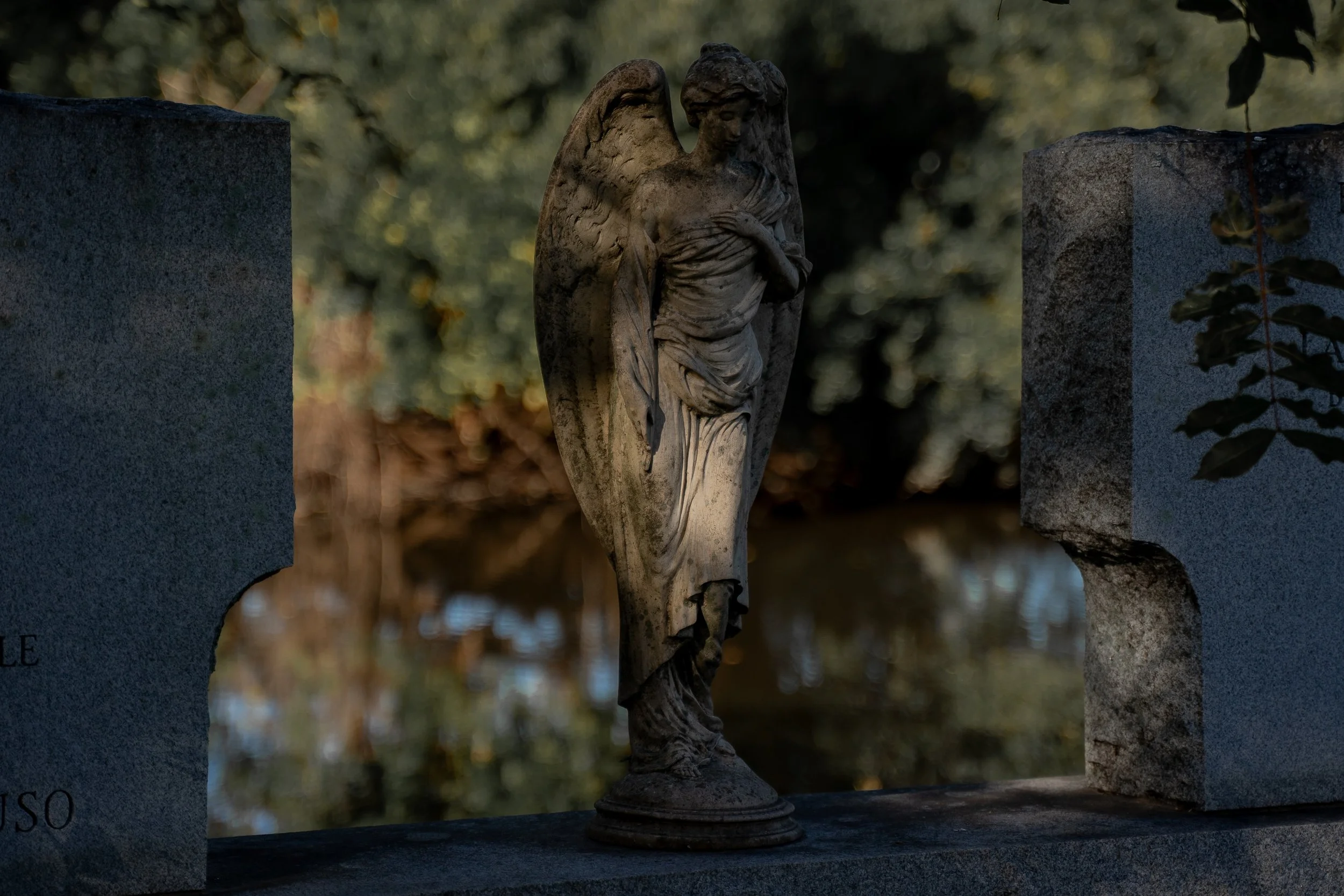
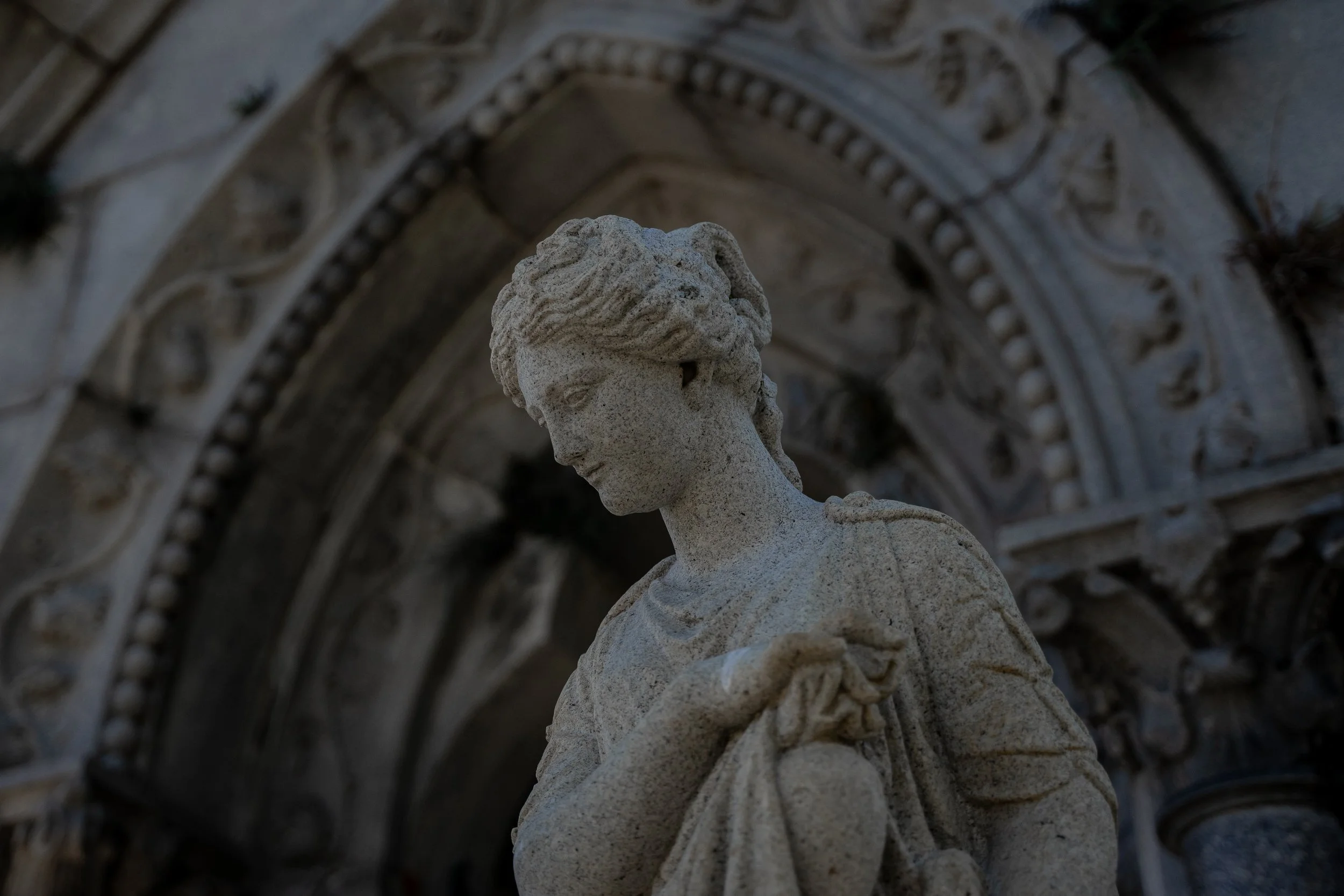
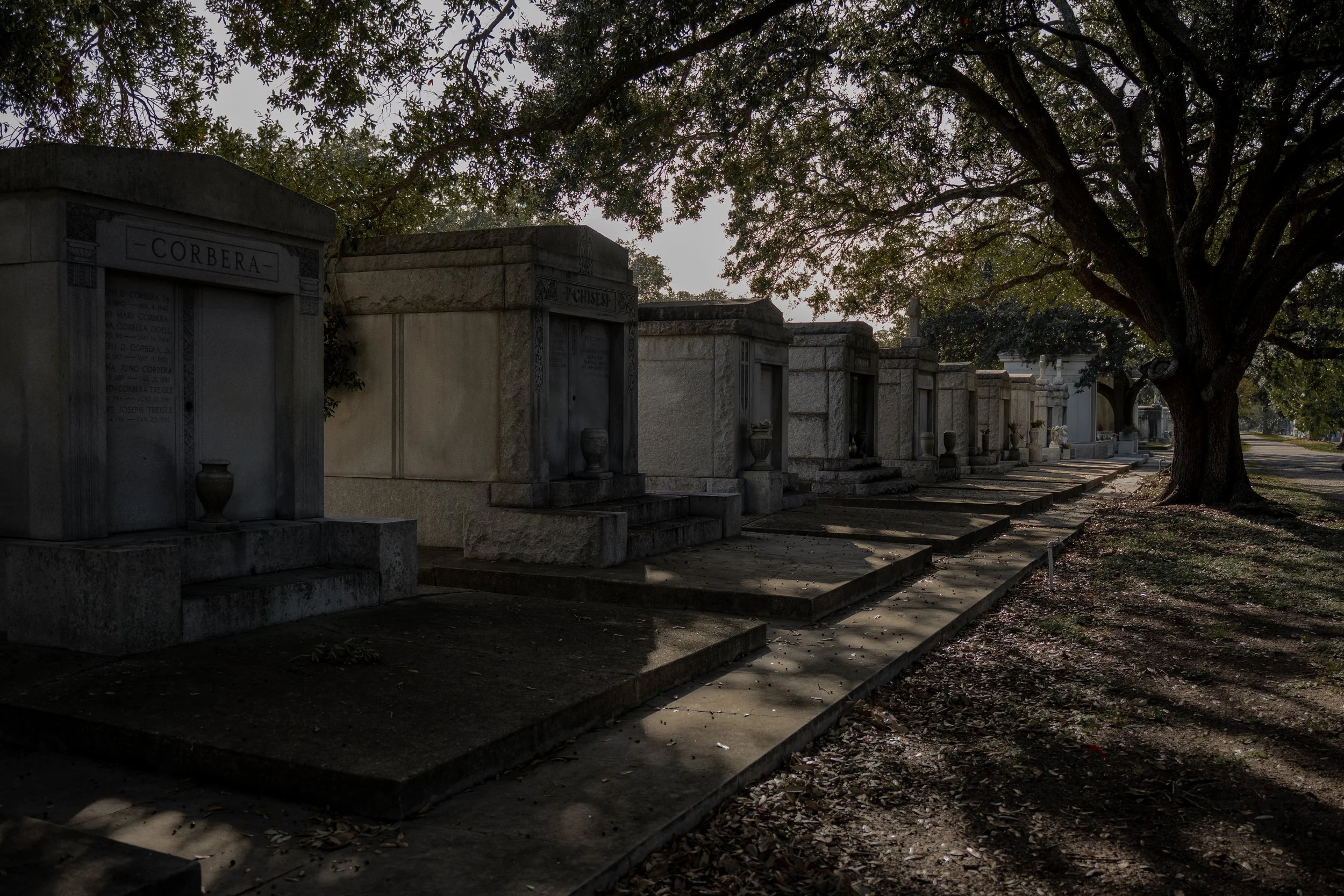
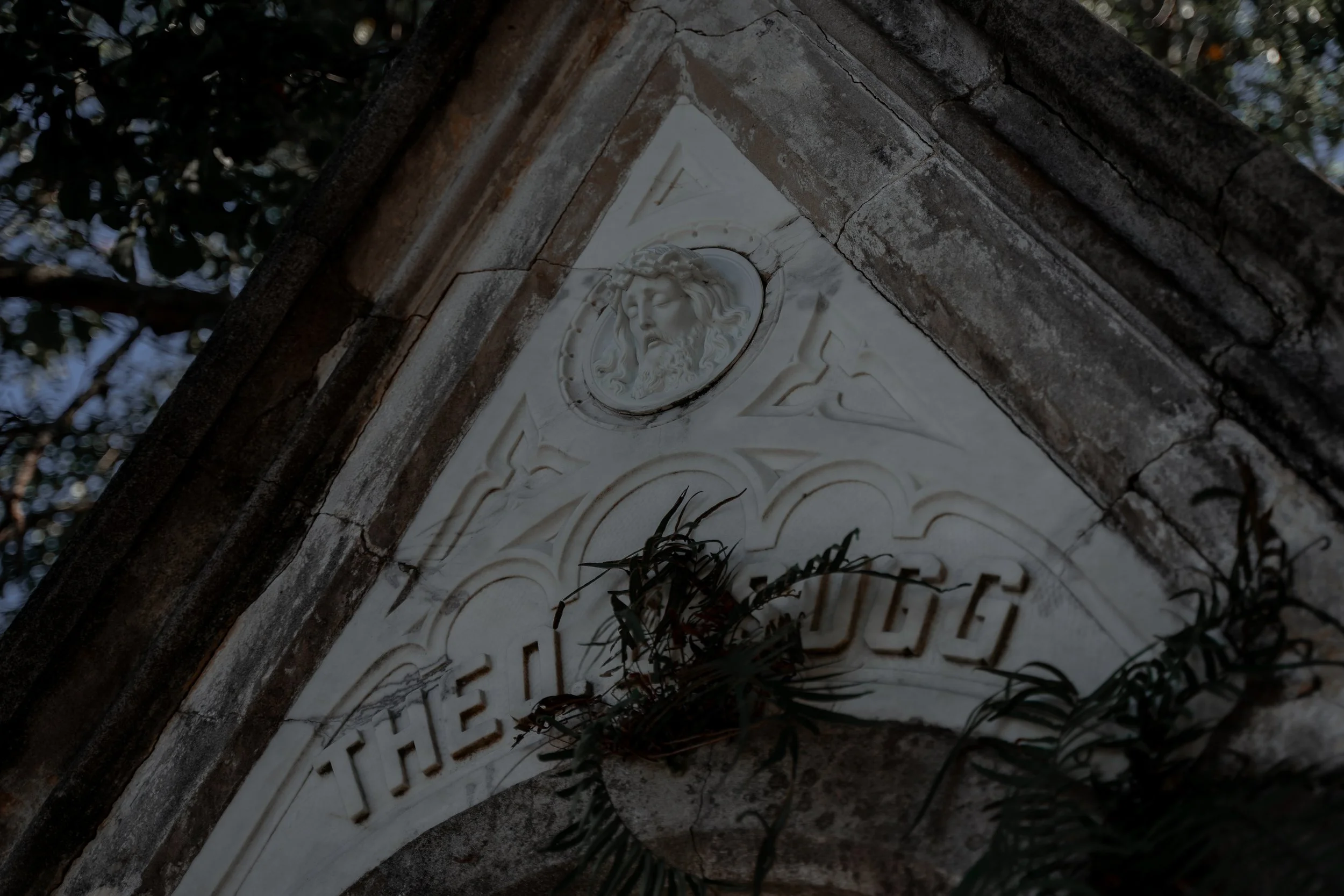
Few burial grounds are as grand or atmospheric as Metairie Cemetery. Spanning an impressive 127 acres, it is home to some of New Orleans’ most beautiful and elaborate mausoleums, with extraordinary examples of Victorian funerary architecture, intricate stained glass and marble sculptures.
What makes Metairie Cemetery particularly fascinating is its unusual history. Before becoming a cemetery in 1872, the grounds were home to a prestigious horse racing track, and interestingly, you can still see traces of its original oval layout in the cemetery’s winding circular avenues. According to local legend, a wealthy businessman named Charles T. Howard was refused membership to the racing club and vowed that one day he would turn the land occupied by the track into a cemetery. When the racetrack eventually went bankrupt, he saw his wish become a reality.
Before your visit, I would highly recommend stopping at Sacred Grinds Coffee House at 5055 Canal Street. It has a great selection of spooky themed drinks as well as an outdoor patio, which overlooks the historic St. Patrick Cemetery No. 2, which only adds to the feeling that in New Orleans, the boundaries between the everyday and the eternal are never very far apart.
From here, it’s approximately a 10-minute walk to Metairie Cemetery. I would recommend entering at the corner of Metairie Road and Pontchartrain Expressway, rather than following Google Maps, which directs you to the main entrance that isn’t accessible on foot.
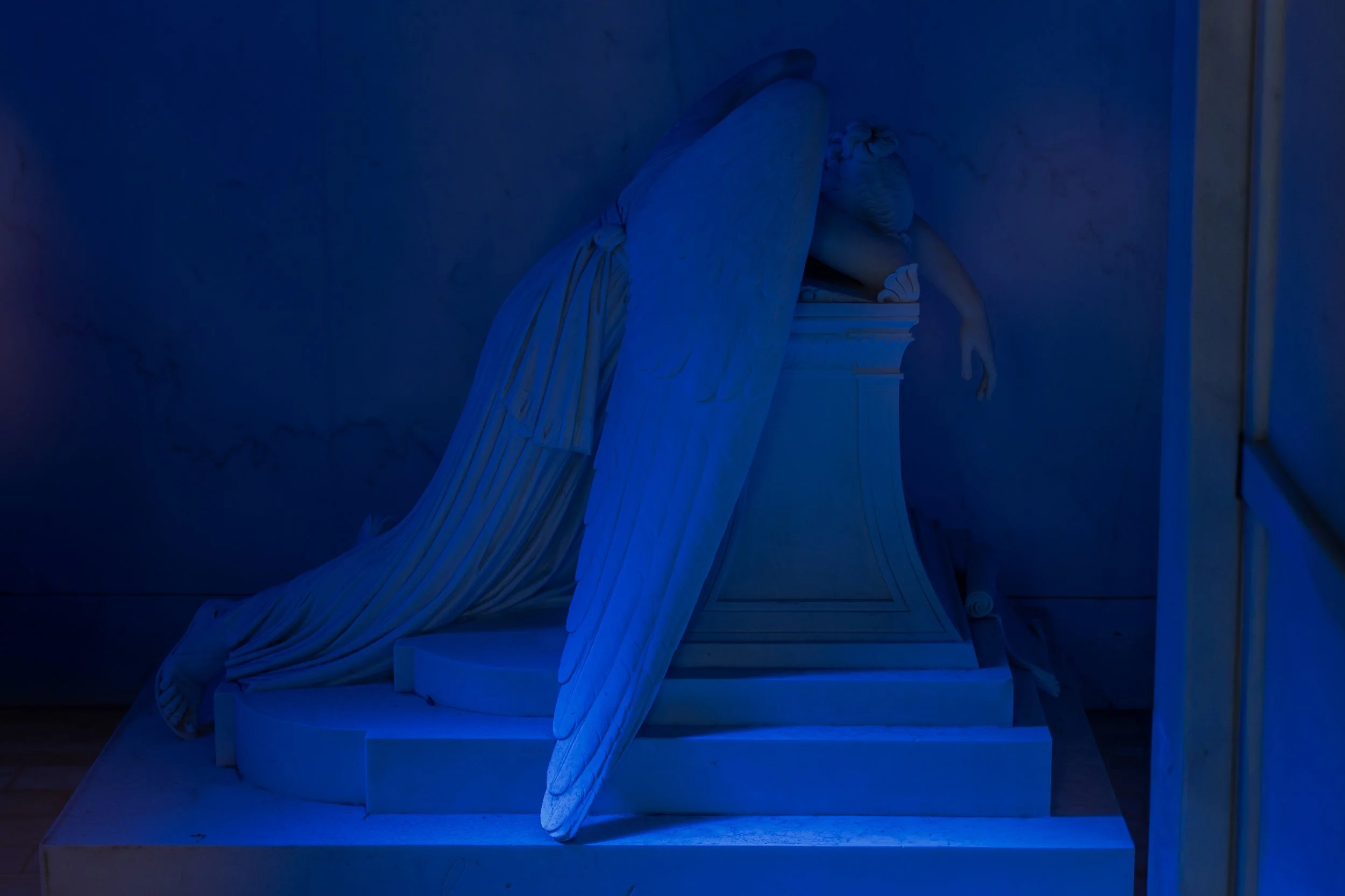
The first tomb to look out for on your right is the Chapman H. Hyams Memorial, also known as the Blue Angel tomb. Designed in the style of a Greek temple, this beautiful mausoleum houses a white marble replica of William Wetmore Story’s Angel of Grief. What makes it particularly striking is the stained-glass windows, which cast an ethereal blue glow over the grieving angel.
Next, head over to your left, where you’ll find rows of burial niches tucked inside a small white archway, hidden behind a striking wrought-iron gate. From here, continue exploring the cemetery’s winding, circular pathways.
I would recommend taking your time exploring this section, as there are so many beautiful architectural details to discover. Some of my favourite mausoleums were tucked away along the circular pathways near the Brunswig tomb, where you’ll find a wonderful collection of historic family memorials, many featuring intricate stone carvings, decorative details and vivid stained-glass windows. One that particularly caught my eye was the McCan tomb, which almost resembled a miniature chapel, with beautiful carvings of intertwined vines, leaves and berries adorning its façade. Behind its ornate wrought-iron gates was one of the most exquisite stained-glass windows I came across during my visit to the cemetery.
Close by to this area (in section 57) you will discover the Egan family tomb, which resembles the ruins of a small medieval chapel. Built around the late 1800’s in the Gothic Revival style, its pointed arches, weathered stonework and crumbling appearance make it look as though it has been standing there for centuries. Interestingly, it was deliberately designed to resemble the ruins of an old abbey on the family’s estate in Ireland.
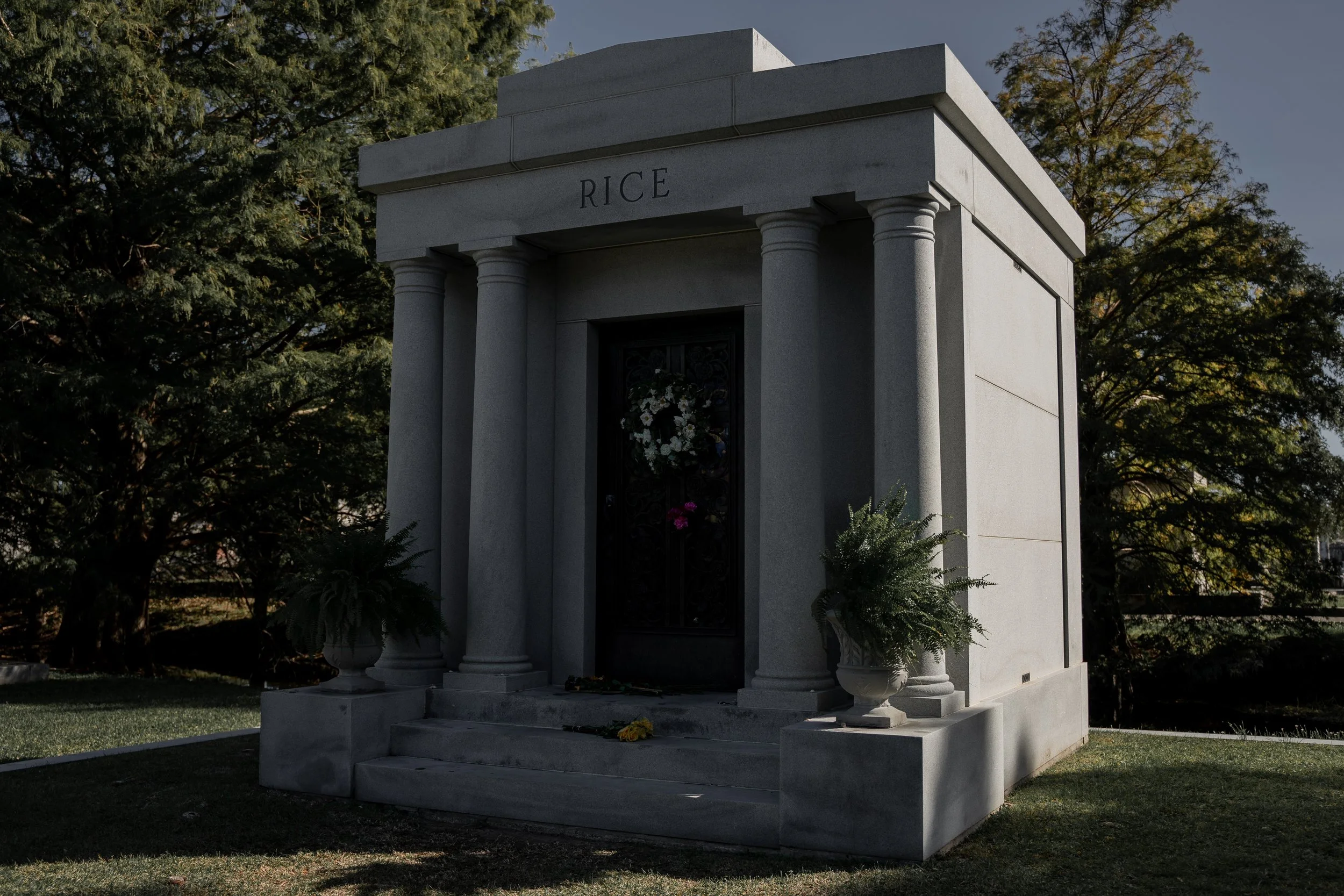
Metairie Cemetery is also the final resting place of several notable figures from New Orleans’ history, including former Louisiana governors, mayors, musicians and Mardi Gras royalty. For those with an interest in the city’s Gothic literary history, one tomb not to miss is that of Anne Rice and her husband, Stan Rice, located on Bell Avenue near the lagoon. Best known for her novel Interview with the Vampire, Anne Rice drew much of her inspiration from the beauty and atmosphere of New Orleans.
Another unique feature of Metairie Cemetery is the abundance of wildlife and greenery throughout its grounds, particularly around the peaceful lagoon. The cemetery is home to magnificent Southern live oak trees, with their enormous, twisting branches draped in Spanish moss. With its historic trees, winding pathways and waterside setting, parts of Metairie feel almost like a nature reserve.
I would recommend allowing at least three hours to explore the grounds, as the cemetery was far larger than I had anticipated. There are so many fascinating mausoleums, intricate architectural details and hidden corners to discover that you could easily spend an entire day wandering through its peaceful avenues.
Address: 5100 Pontchartrain Blvd, New Orleans, LA 70124