
Kunsthistorisches Museum Wien
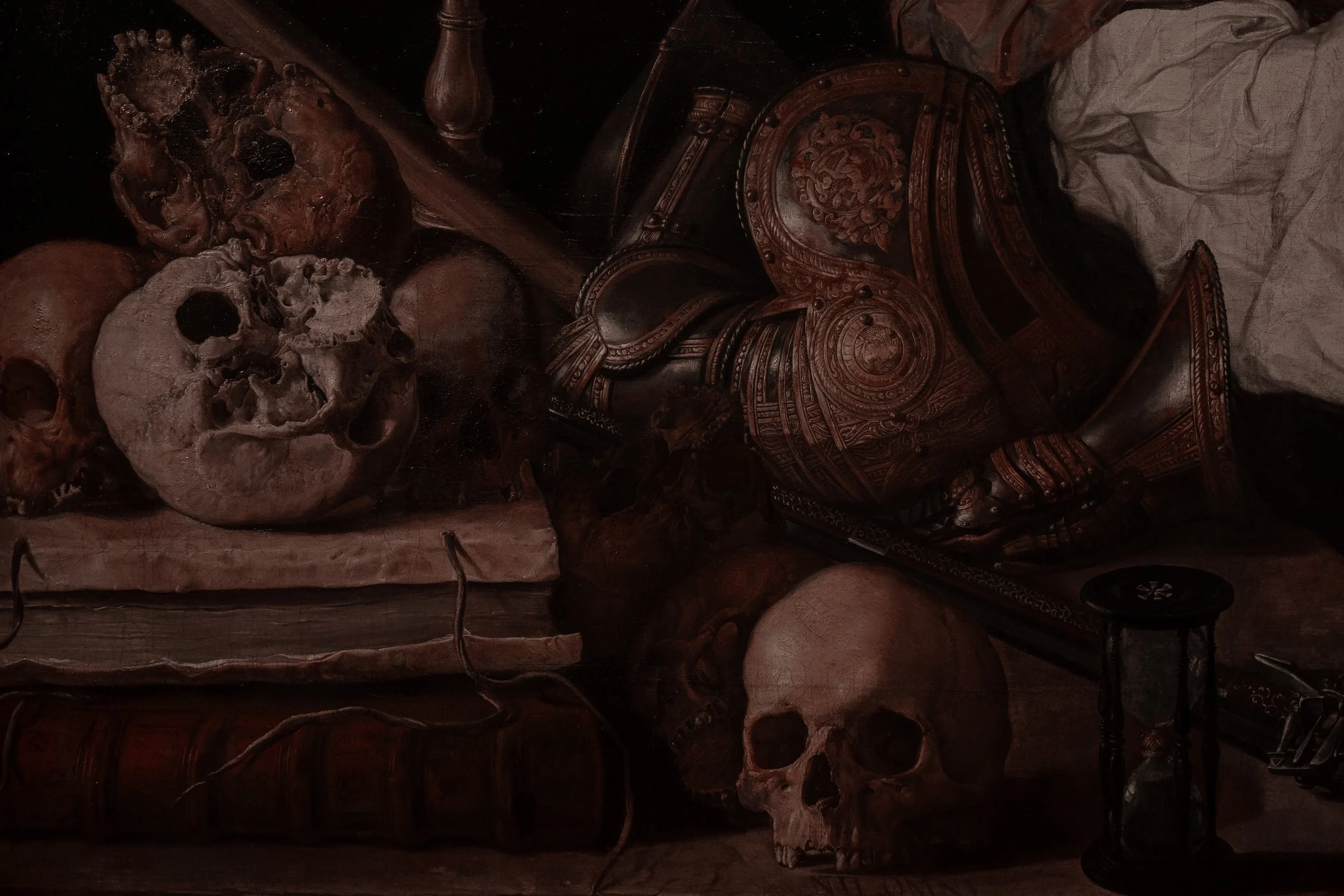
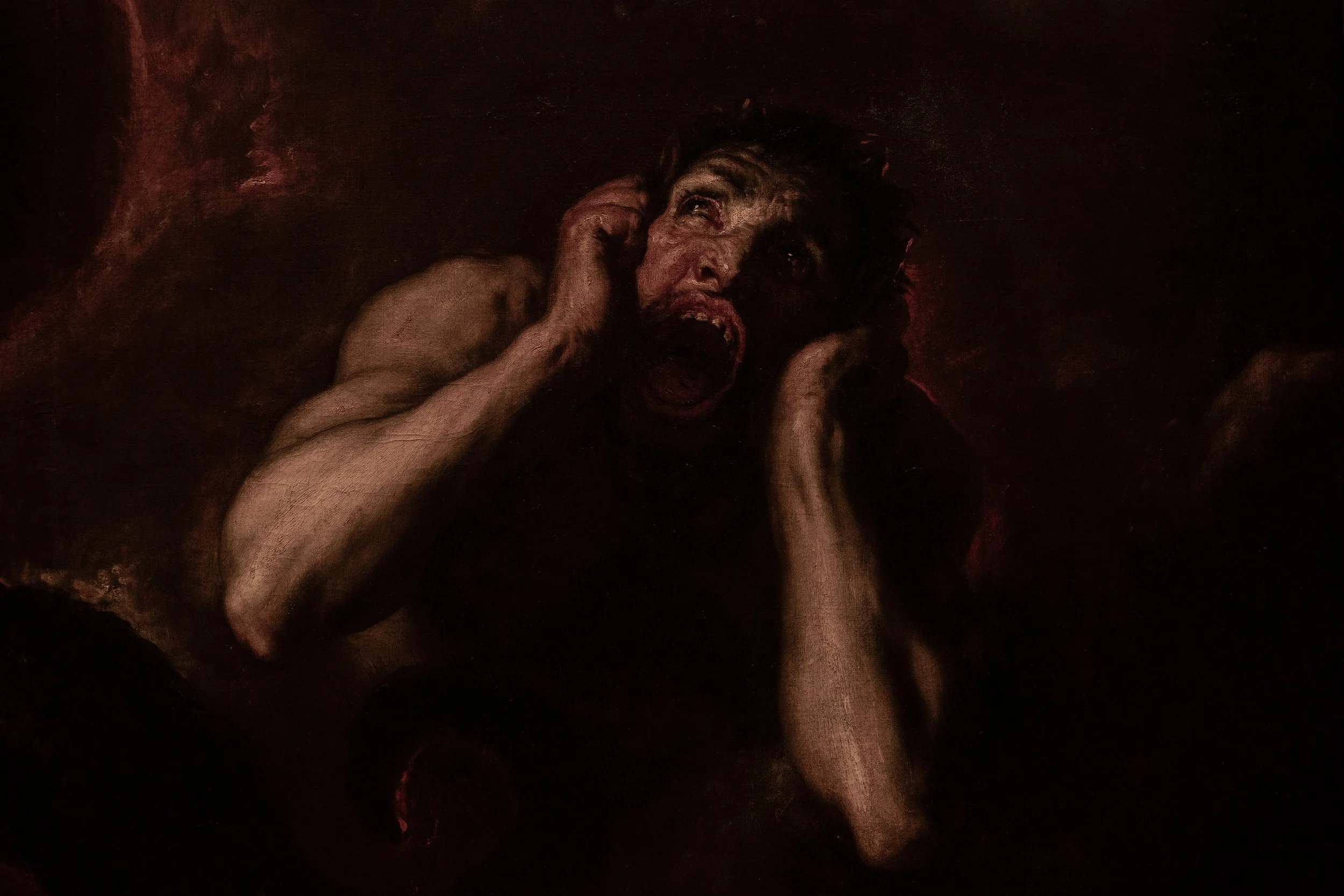
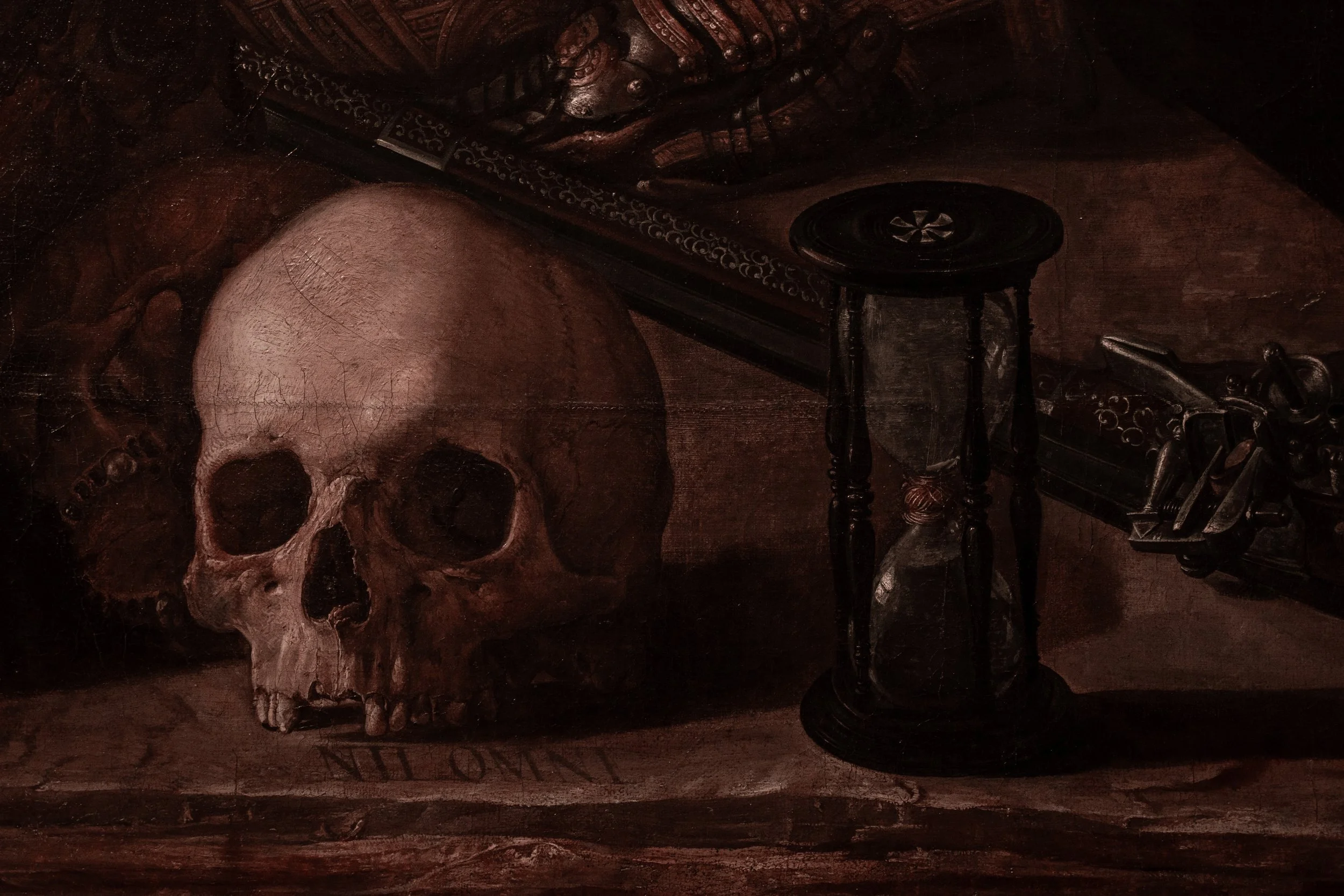
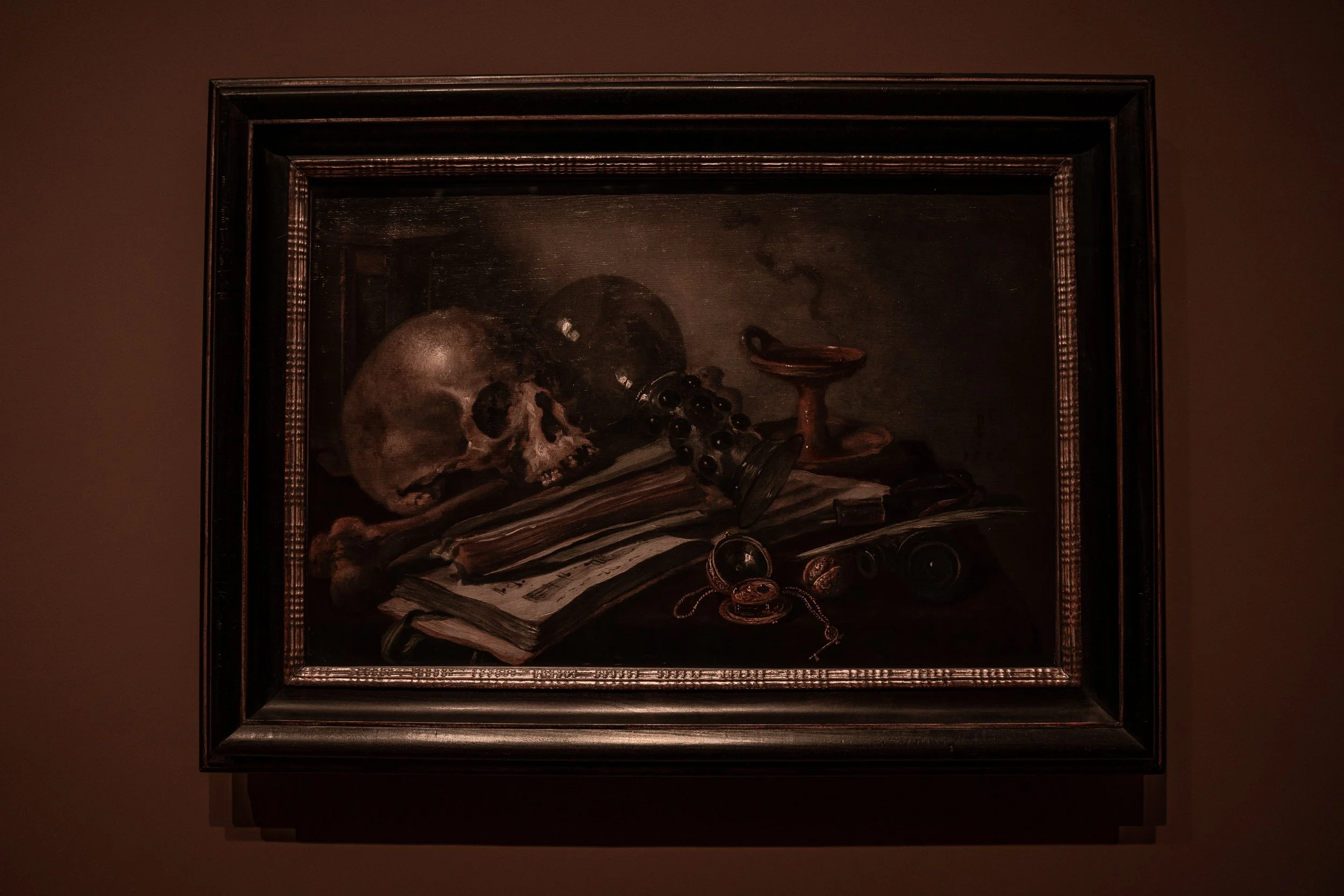
The Kunsthistorisches Museum Wien is a fascinating relic of imperial splendour but deep within its atmospheric galleries lies an entire trove of dark curiosities. This vast, moody archive was meticulously assembled by the Habsburgs to showcase their most precious dark‑academia treasures where wonder and mortality feel inseparable.
The museum’s story began long before its marble halls were built. Its collections grew from the immense accumulations of the Habsburg dynasty, especially Archduke Leopold Wilhelm in the 17th century, who gathered an extraordinary array of Renaissance and Baroque masterpieces from the Italian, German, Flemish, and Spanish schools. These works, alongside antiquities, curiosities, and imperial rarities, formed one of Europe’s greatest dynastic collections.
By the 19th century, the dynasty sought a worthy home for this legacy. Emperor Franz Joseph commissioned a colossal museum as part of Vienna’s Ringstrasse project, envisioning a Renaissance Revival palace that would house the imperial collection. Built between 1871 and 1891, the museum was positioned opposite the Hofburg Palace and quickly became both a public institution and an architectural landmark. Designed by Gottfried Semper and Karl von Hasenauer, it embodies imperial Vienna at its most opulent.
Its exterior mirrors the design of an Italian palazzo: a perfectly symmetrical façade adorned with allegorical statuary celebrating the arts and sciences. The vast central dome gives the building a ceremonial look, reflecting the Naturhistorisches Museum directly opposite.
Inside, the drama intensifies as you ascend one of Europe’s most celebrated grand staircases, surrounded by marble, stucco, gilding and frescoes by Gustav Klimt, Ernst Klimt, Franz Matsch and Hans Makart. The building was conceived as a masterpiece in its own right, an architectural expression of Vienna’s cultural identity and imperial ambition.
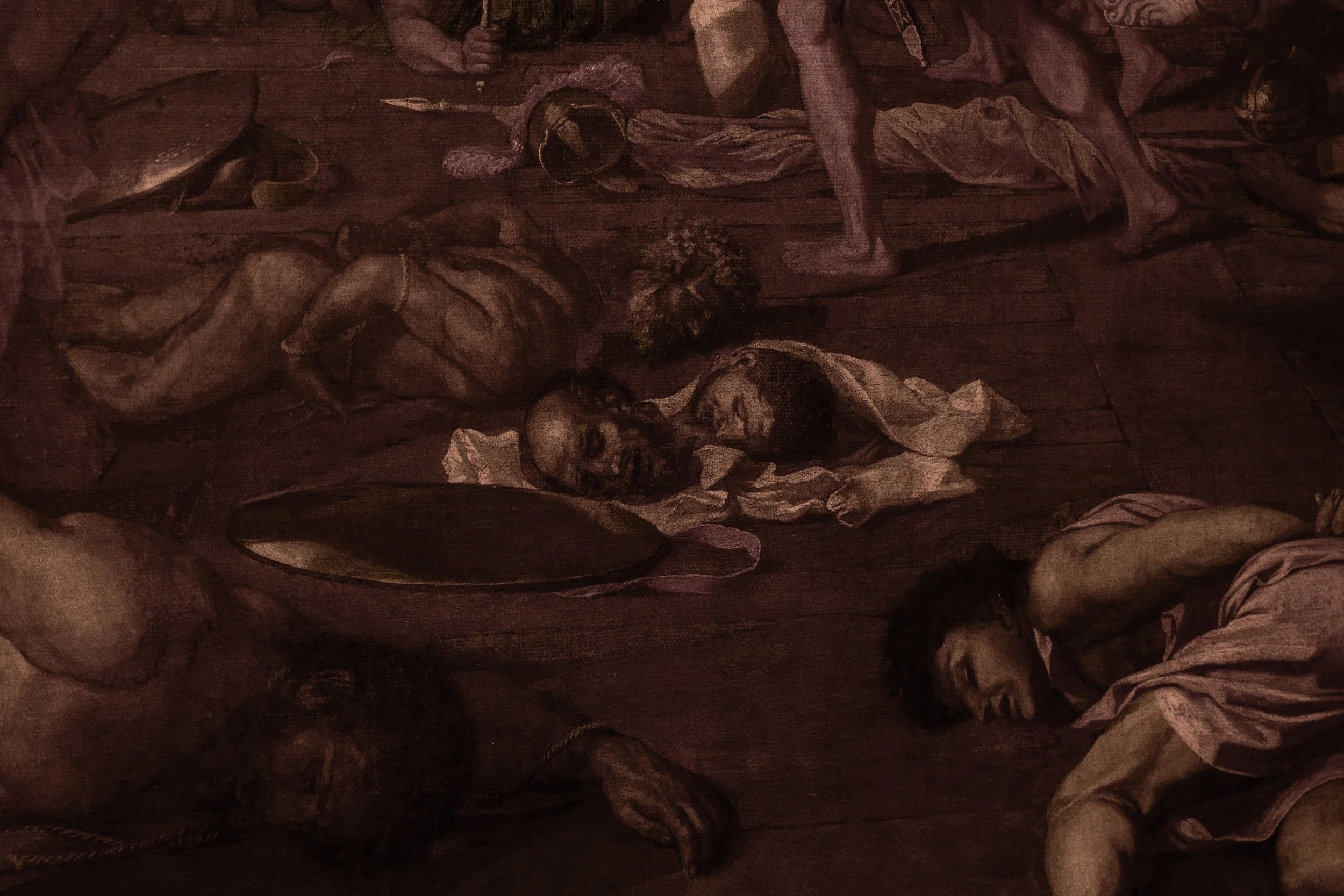
The galleries extend like a series of different worlds, each revealing an insight into the Habsburg imagination. The Picture Gallery is the museum’s most celebrated, showcasing the brilliance of the “old masters” from the Renaissance and Baroque eras. Works by Raphael, Titian, Tintoretto, Rubens, Rembrandt, and many others are arranged with the utmost grandeur. The world’s largest collection of Pieter Bruegel the Elder is also housed here, including his iconic Tower of Babel.
One of my favourite pieces is Luca Giordano’s Archangel Michael Vanquishing the Devils, a dramatic scene that captures the eternal struggle between order and rebellion, beauty and corruption, light and the abyss.
The museum’s older collections include the Greek and Roman Antiquities galleries, housing marble gods, sarcophagi, and fragments of ancient life, In addition, there is the Egyptian and Near Eastern Collection, which stretches even further back with mummies, funerary objects, and inscriptions that span across millennia.
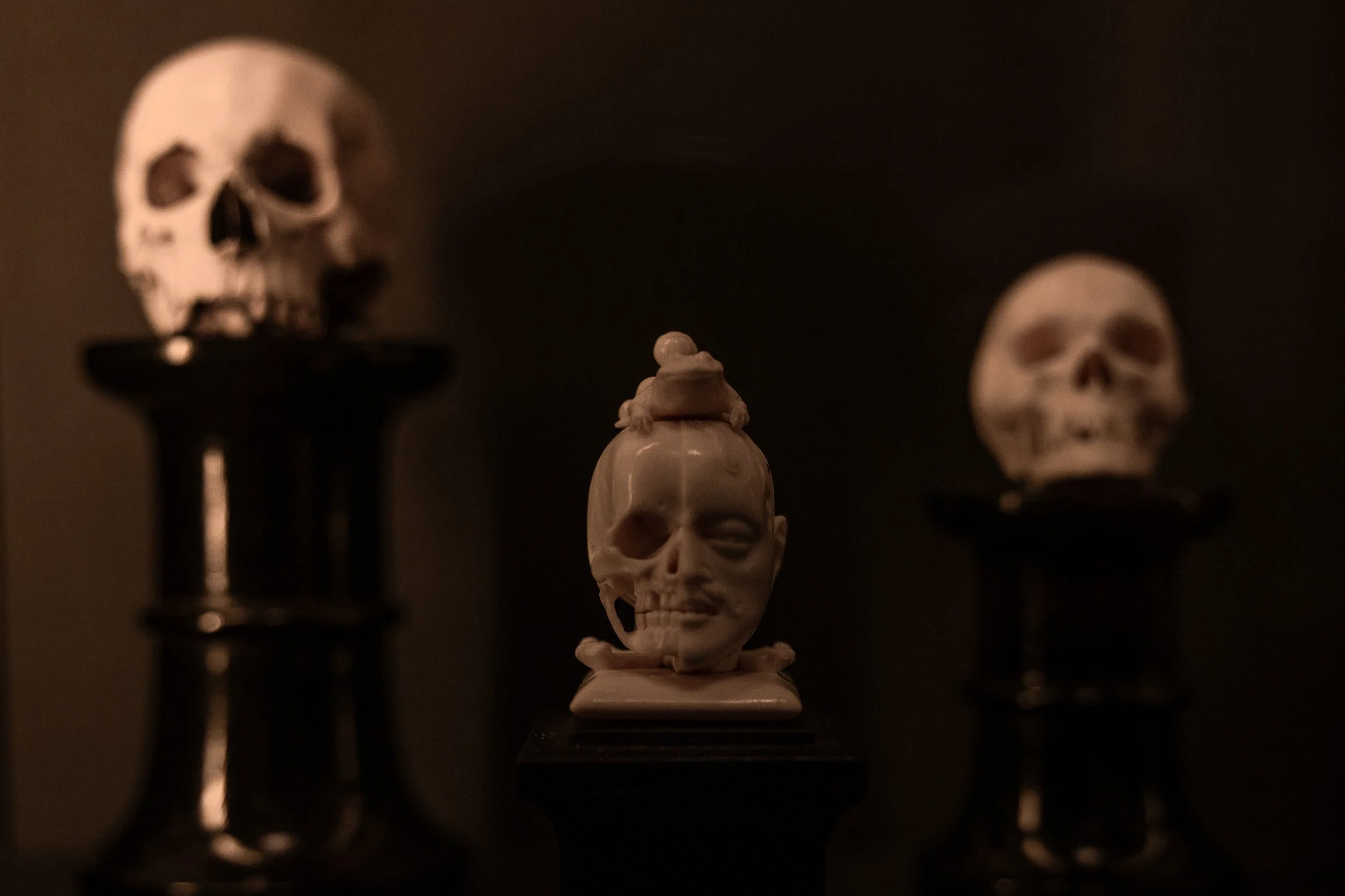
Flowing through these spaces is a distinctive memento mori presence that I loved. Dutch and Flemish ‘still life’s’ depict skulls, extinguished candles, wilting flowers, and hourglasses, quiet reminders of life, death, and time’s relentless passage.
The Imperial Treasury (Schatzkammer) continues this shadowy mood with objects such as tiny skulls carved from ivory and precious metals, all miniature memento mori once carried by emperors and nobles.
After exploring the galleries, the museum café is an unmissable final stop. Beneath the soaring rotunda, it forms a sepia‑lit space framed by arched windows, marble columns, and gilded ornamentation. Here, you can pause and reflect on the museum’s dark beauty over a traditional Viennese apple strudel and a coffee served on a silver tray.
To experience the Kunsthistorisches Museum is to descend into a beautifully curated underworld where curiosity and mortality intertwine, creating an unforgettable journey through the shadows of art, empire, and time.
Address: Maria-Theresien-Platz, 1010 Wien, Austria