
English Convent
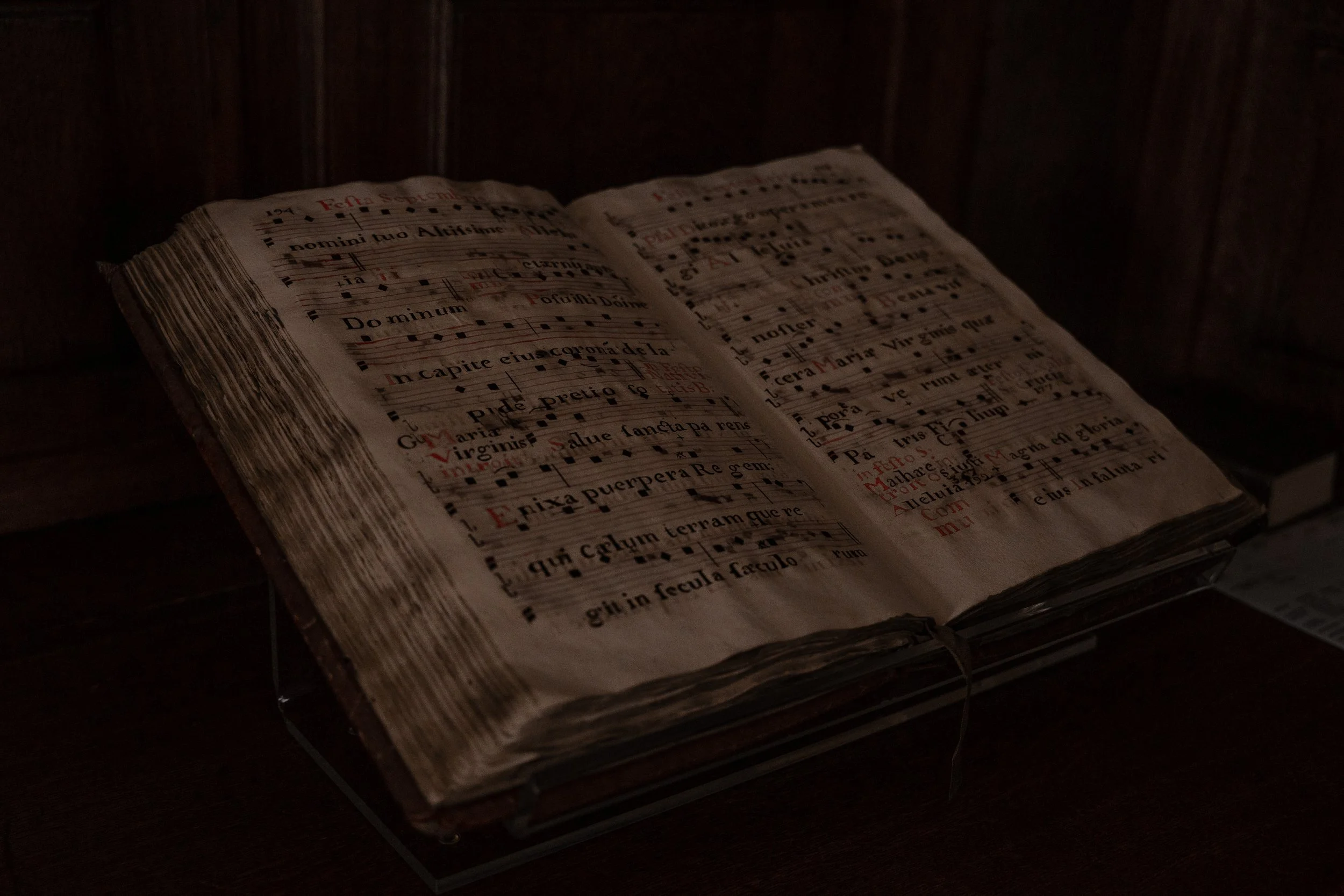
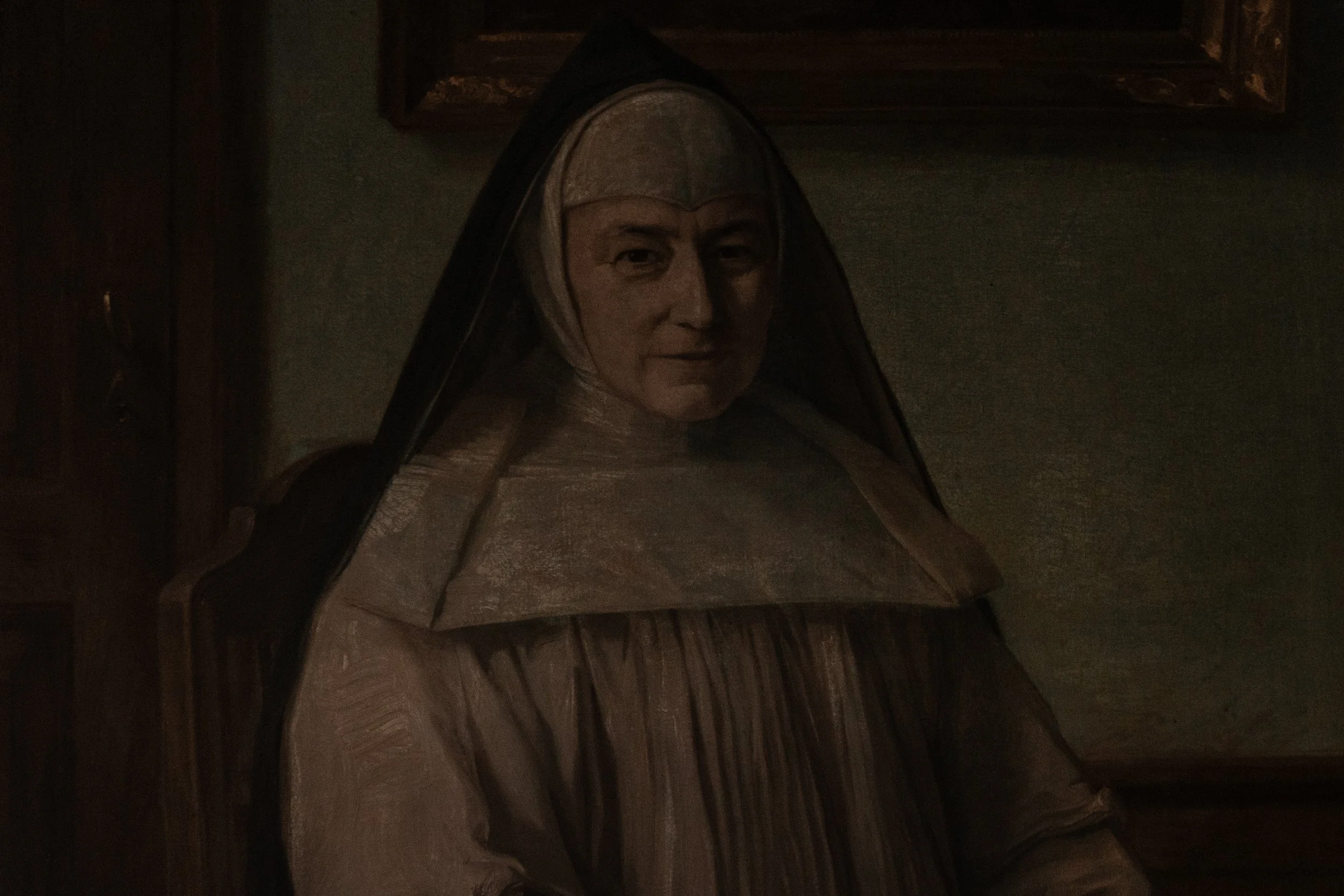
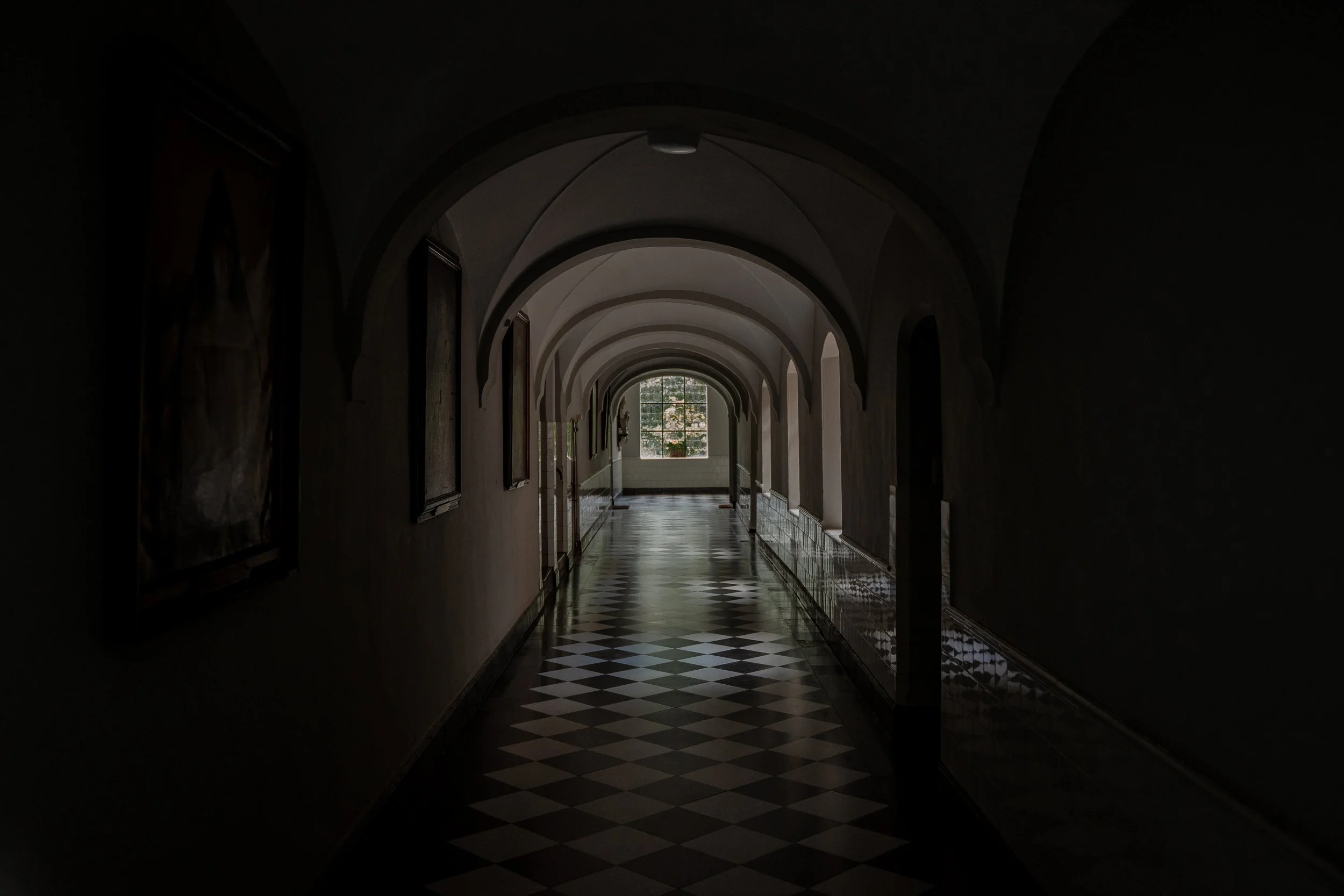
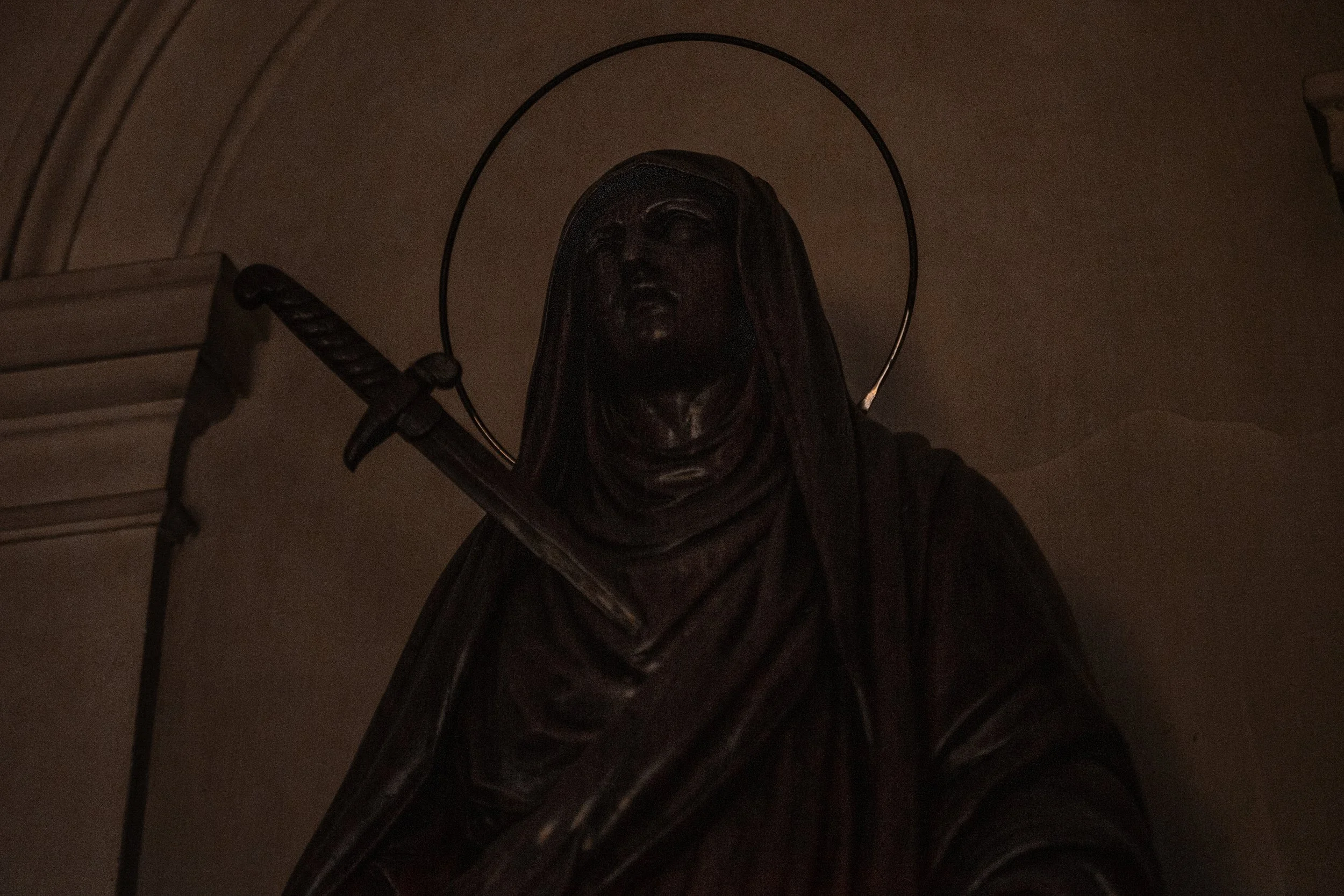
For nearly four centuries, this secluded religious complex has remained largely hidden from public view, its historic cloisters, chapel, gardens and library preserving the traditions and daily life of the monastic community.
The convent’s origins are closely tied to a turbulent chapter of English Catholic history. Following the English Reformation, the suppression of monasteries and restrictions on Catholic religious life forced many communities to seek refuge across Europe. Bruges became an important centre for English Catholics in exile, offering a place where religious traditions, education and monastic life could continue.
It was against this backdrop that the English Convent was established in 1628, when Englishwoman Marie Lovell acquired a walled property on Carmersstraat, complete with a house and orchard. Over the following decades, the community transformed the site into a monastery, constructing living quarters, a refectory, kitchen and communal spaces before completing its first chapel in 1650.
In 1736, the original chapel was replaced by a more imposing Baroque design by Bruges architect Hendrik Pulinx. Crowned by an impressive cupola, the church was carefully designed to amplify the sisters’ soft voices, allowing their prayers and music to flow throughout the interior.
However, the convent’s history was not without upheaval. During the French Revolution, religious communities across the Low Countries faced persecution and the confiscation of their property. In 1794, most of the sisters fled to England, leaving just two behind to protect the site. Luckily the property was recovered in 1802 and the community returned.
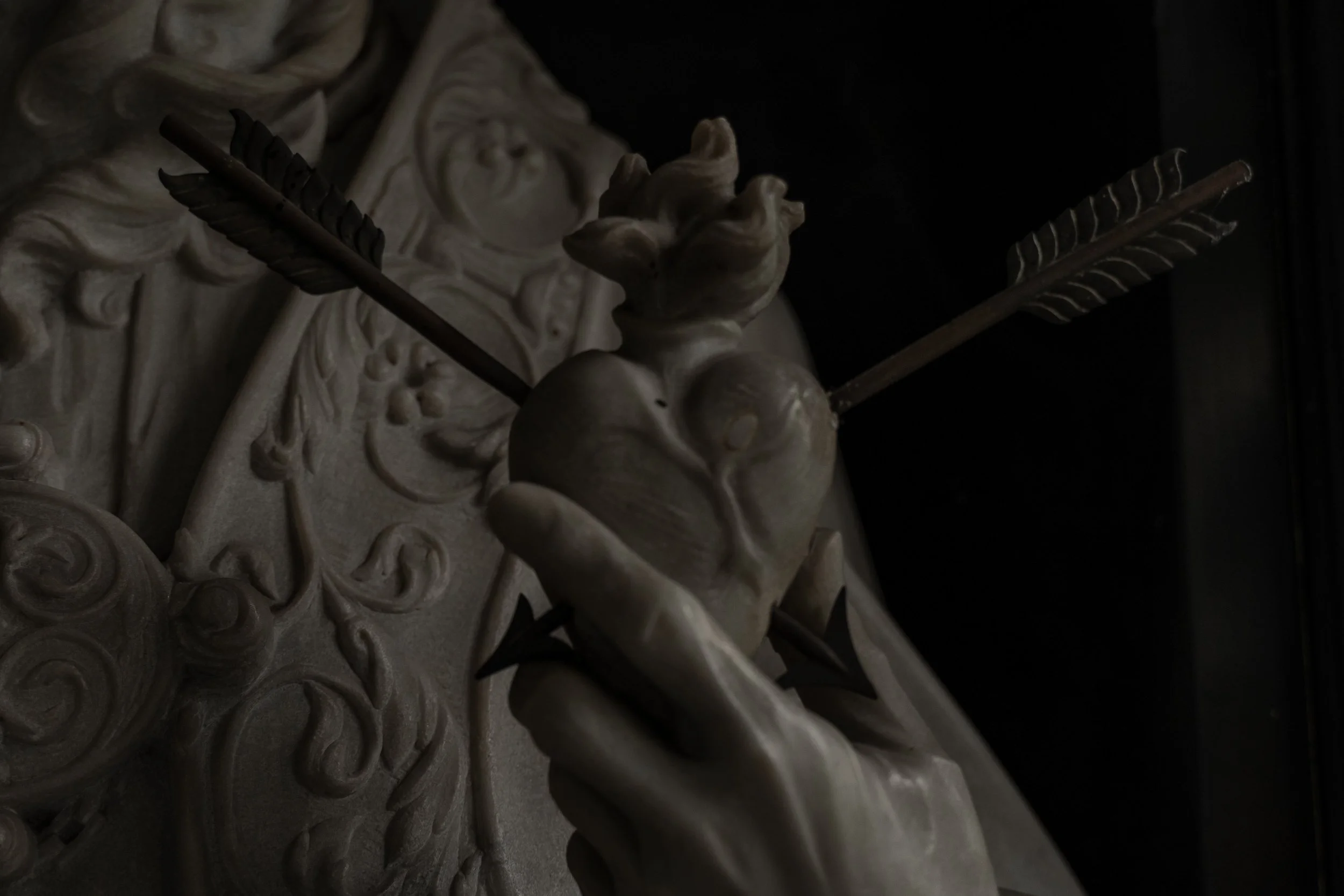
Although Classical in its architecture, the convent possesses a distinctly sombre and ecclesiastical mood. Beyond its secluded walls, silent corridors and enclosed cloisters lead into rooms rich with centuries of religious history, where devotional objects, sacred paintings and reminders of mortality offer a glimpse into monastic life.
To explore the convent, you must book a tour through the Sacred Books initiative, which offers exclusive guided access. Led by an expert guide, the experience offers a rare glimpse into the daily lives of the sisters who have inhabited this extraordinary place for nearly 400 years.
During the tour you will visit various parts including the chapel which holds some of its smallest and darkest details. Set into the walls are historic memorial stones commemorating members of the religious community, incorporating delicate funerary illustrations. Amongst the most intriguing are the tiny skull-and-crossbones motifs, easily overlooked against the surrounding stonework.
Another significant treasure lies within the space just before the chapel, where a relic of Sir Thomas More is preserved. The English statesman and Lord Chancellor to Henry VIII was executed in 1535 for refusing to acknowledge the king’s supremacy over the Church in England. The English Convent holds a particularly remarkable connection to Thomas More through his own bloodline, with Mary More, (a direct descendant of the Tudor statesman) becoming prioress in 1766.
Next to the chapel lies a small, atmospheric graveyard, where weathered gravestones stand against the ancient walls. Here, generations of the religious community found their final resting place, remaining within the sanctuary to which they had devoted their lives. This peaceful burial ground reflects the enduring monastic traditions of devotion, where death was not seen as a departure from the community, but as a continuation of its spiritual life.
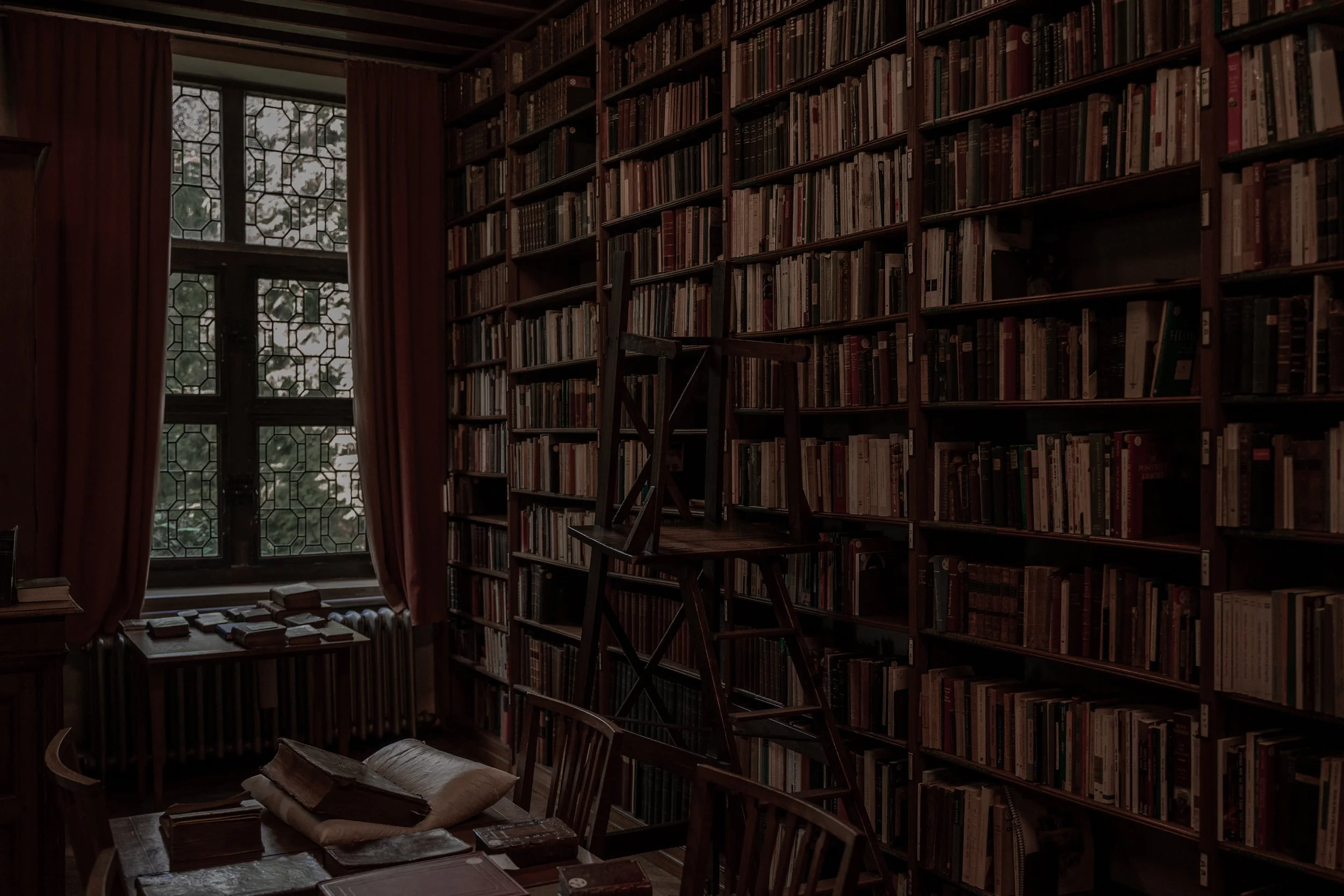
Among the convent’s most fascinating spaces is its historic library, where shelves of ageing books and manuscripts preserve an enduring legacy. The collection contains theological writings, religious works and historic archives, alongside material associated with prominent Flemish literary figures, including Guido Gezelle, Albrecht Rodenbach and Hugo Verriest. Gezelle (one of Flanders’ most celebrated poets and Catholic priests).
The library also reflects the convent’s unusual history as a safe place for English Catholic women who sought refuge from religious persecution. Its books and archives preserve centuries of English and Flemish religious culture, offering a glimpse into the spiritual lives of generations who lived in seclusion within the monastery.
Address: Carmersstraat 85, 8000 Brugge, Belgium